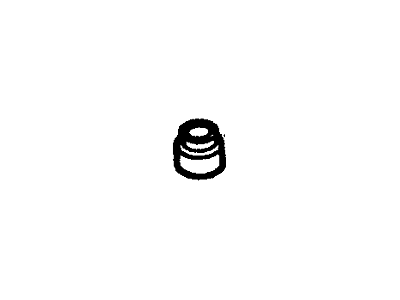
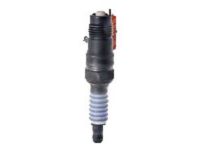
Broken valve springs and defective valve stem seals can be replaced without removing the cylinder head, typically requiring two special tools and a compressed air source. If compressed air isn't available, a length of nylon rope can be used to prevent the valves from falling into the cylinder. Begin by removing the rocker arm cover and the spark plug from the affected cylinder, ensuring to remove all spark plugs if replacing all valve stem seals. Turn the crankshaft until the piston is at top dead center on the compression stroke, and if replacing all seals, start with cylinder number one, following the firing order. Thread an adapter into the spark plug hole and connect an air hose from a compressed air source. Loosen the rocker arm shaft support bolts to relieve valve spring tension, slide the rocker arms aside, and remove the pushrods. Apply compressed air to hold the valves in place; if there are leaks, an alternative method involves positioning the piston just before TDC and feeding nylon rope into the combustion chamber. Use shop rags to prevent debris from entering the engine, then compress the valve spring with a valve spring compressor and remove the keepers. If air pressure fails to hold the valve closed, the valve face or seat may be damaged, necessitating cylinder head removal for repairs. Wrap a rubber band or tape around the valve stem to prevent it from falling, then release the air pressure. Inspect the valve stem for damage and ensure it moves freely in the guide. Reapply air pressure to retain the valve, lubricate the valve stem with engine oil, and install a new seal, spring, and retainer. Compress the spring and position the keepers, applying grease to hold them in place. Remove pressure from the spring tool, disconnect the air hose, and reinstall the rocker arm assembly and pushrods, followed by the spark plug(s) and wire(s). Finally, install the rocker arm cover, start the engine, and check for oil leaks and unusual sounds.