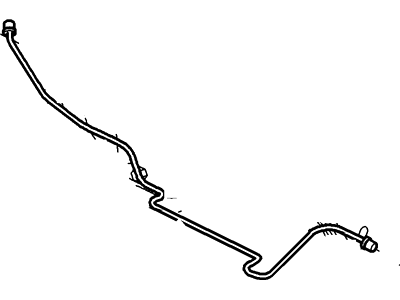
Besides the above-stated time intervals, the brake system should be checked each time when the wheels are changed or when a malfunction is suspected because these checks are very essential for safety. Other signs of a bad brake system are squealing or scraping noise especially from the disc brakes; the sound is from the pad which must be replaced to prevent abrasive of the brake discs. Other signs include-Vehicle drifting towards side when braking, much travel of the brakes, pulsation of the brake pedals, and visible leakage of the brake fluid. Steel tubing is used throughout the brake system but rubber hoses at the front wheels and connectors at the rear axle which must be inspected after some time. To inspect brake lines and hose, position the car on a flat ground, open the hood of the car, remove wheel trimmings, loosened the nuts on the wheels, lift the car on the jack stands, and then removes the wheels. Check all the brake flexi-hoses for cracks, damage and leakage, and all the fittings such as unions/clamps for tightness. When there is any signs of leakage or any damage then the same needs to be rectified as soon as possible. In the case of disc brakes raise the vehicle and remove the front wheels and carry out the following checks; Examine the calipers and pads to determine their thickness and condition and to check for any signs of damage or overheating. The brake discs should also be checked for score marks and discolorations and if visible should be resurfaced or replaced. While for front and rear drum brakes, take off the rear brake drums for examination and measurement of the lining thickness to avoid it get crack or contaminated. Check for leaks in the wheel cylinder and check the drums for conditions that may necessitate a refinish. Last, the parking brake needs to be greased from time to time while its working can be checked by parking on the inclined plane to feel if it can slow down the car's movement.