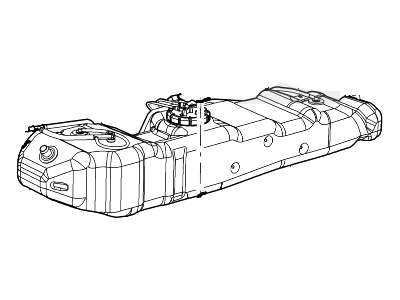
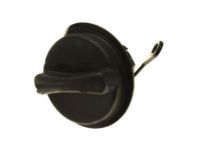
The procedure should not start until the gas gauge shows complete tank emptiness or nearly vacuumed state but you have to perform fuel siphoning before removing a full tank in case of a mechanical issue. The necessary fuel line disconnect tool exists at standard auto part retailers while some models possess this tool embedded ten inches from the fuel filter position. Professional siphoning of residual gas should be performed whenever a vehicle contains fuel beyond driving distance. Begin by lowering the vehicle on jackstands before disconnecting the battery cable and proceeding with 4WD model's shield and skid plate and front retaining strap removal as well as raising the vehicle. Restrict the clamp nuts while detaching both the fuel filler and the vent tubes at the fuel tank area before removing the ground strap. You should disconnect the fuel pump/sending unit electrical connector only when the tank is already lowered. Support the fuel tank with a floor jack while using protective wood that you should afterward remove the bolt from the rear retaining strap to pivot it downward. Safely detach the front mounting bolts of the fuel tank before slowly moving it to the rear until it passes the front bracket. The operator must disconnect the fuel line connectors from the fuel pump and vapor valve by lowering the tank while recording the different diameters of the feed, return and vapor return lines. Use labels as needed and install rubber plugs to stop leakage. Finish by taking out the tank from the vehicle after following the uninstallation instructions which include new tank retaining strap bolts according to recommendations while engine oil can help guide the fuel filler hose onto the tank for fuel pump or sending unit assembly.