Make sure this part fits

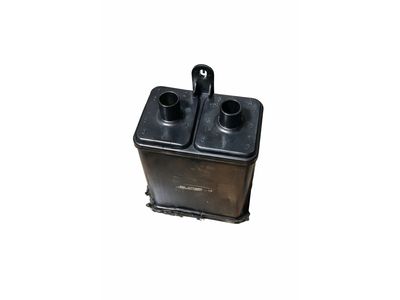
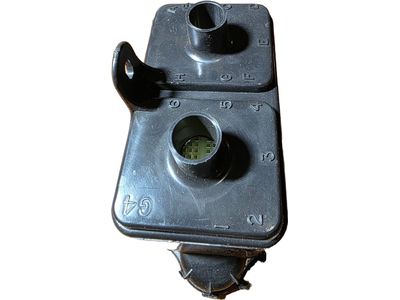
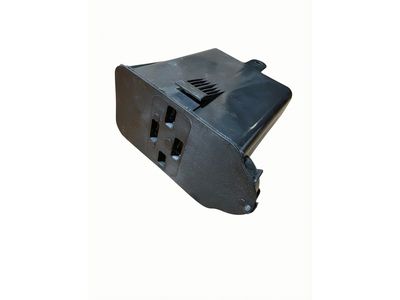
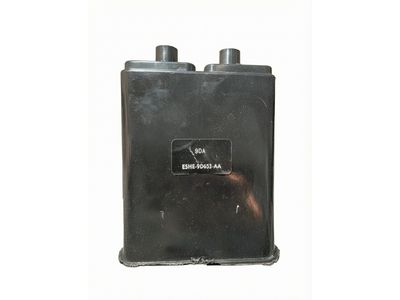
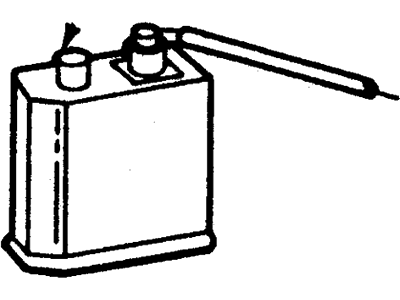
Ford E5TZ-9D653-A Reservoir Assembly

1980-1997 Ford E5TZ9D653A

Customer Questions & Expert Answers (11)
E5TZ-9D653-A Ford Reservoir Assembly Illustration 1 of 1
  • Part Description
    Reservoir Assy
  • Base No.
    9D653
  • Manufacturer
    Ford
  • Manufacturer's Notes
    This part is discontinued.
Make sure this part fits
  • Related Parts
  • Specifications
  • Fitment
  • Q&A
  • Product Specifications

    BrandGenuine Ford
    Base No.9D653
    Manufacturer Part NumberE5TZ-9D653-A, E5TZ9D653A
    Part DescriptionReservoir Assy
    Other NamesPotentiometer, Vapor Canister
    Item Dimensions7.3 x 4.2 x 7.7 inches
    Item Weight1.90 Pounds
    ConditionNew
    Fitment TypeDirect Replacement
    ManufacturerFord
    SKUE5TZ-9D653-A
    WarrantyThis genuine Ford part is guaranteed by Ford's factory warranty.
    Shipping & ReturnShipping Policy Return Policy
    Warning: California's Proposition 65
  • Vehicle Fitment

    Year Make Model Engine Important vehicle option details
    1986-1989 Ford Aerostar4 Cyl 2.3L, 6 Cyl 2.8L, 6 Cyl 3.0L4AT A4LD, 5MT
    1980-1996 Ford Bronco6 Cyl 4.9L, 8 Cyl 5.0L, 8 Cyl 5.8L3AT C6, 4AT A4LD, 4AT AOD, 4AT E4OD, 4MT, 5MT
    1984-1989 Ford Bronco II4 Cyl 2.3L, 6 Cyl 2.8L, 6 Cyl 2.9L3AT C5, 4AT A4LD, 4MT, 5MT
    1980-1991 Ford E-1506 Cyl 4.9L, 8 Cyl 5.0L, 8 Cyl 5.8L, 8 Cyl 7.5L3AT C6, 3MT, 4AT AOD, 4AT E4OD, 4MT, 5MT
    1980-1991 Ford E-2506 Cyl 4.9L, 8 Cyl 5.0L, 8 Cyl 5.8L, 8 Cyl 6.6L, 8 Cyl 7.5L3AT C6, 3MT, 4AT AOD, 4AT E4OD
    1980-1989 Ford E-350/E-350 Super Duty6 Cyl 4.9L, 8 Cyl 5.0L, 8 Cyl 5.8L, 8 Cyl 6.6L, 8 Cyl 7.5L3AT C6, 3MT, 4AT E4OD, 4MT, 5MT
    1981-1990 Ford Escort4 Cyl 1.6L, 4 Cyl 1.9L3AT ATX, 4MT, 5MT
    1982-1985 Ford EXP4 Cyl 1.6L3AT ATX, 4MT, 5MT
    1980-1989 Ford F-1506 Cyl 4.9L, 8 Cyl 5.0L, 8 Cyl 5.8L3AT C5, 3AT C6, 3MT, 4AT AOD, 4MT, 5MT
    1980-1989 Ford F-2506 Cyl 4.9L, 8 Cyl 5.0L, 8 Cyl 5.8L, 8 Cyl 6.6L, 8 Cyl 7.5L3AT C6, 3MT, 4AT AOD, 4AT E4OD, 4MT, 5MT
    View More
  • Customer Questions & Expert Answers

    Q:
    I would like to know is this part gonna fit with my car Posted by FordPartsGiant Specialist
    A:
    You can Select Your Vehicle to check if E5TZ-9D653-A fits your vehicle.
    Posted by FordPartsGiant Specialist
    Q:
    How to remove and install Catalytic Converter, EGR Valve, EGR Valve Position Sensor and Vapor Canister on Ford Bronco? Posted by Customer
    A:
    To begin with, disconnect the battery so as to perform maintenance on the EGR system components. To install a new O-ring during installation, unplug the electrical connector from the EVP sensor, remove the mounting bolts, and then detach the sensor. Disconnecting the battery is required for EGRC or EGRV Solenoid(s). They can be found on firewall, you will need to unplug the electrical connector, label and detach vacuum hoses, and remove the solenoid if it is held by bracket screws. EVR solenoid requires removing the solenoid, unplugging the sensor harness electrical connector and vacuum hose, and detaching the battery cable. Detach the vacuum line and mounting bolts after unplugging the electrical connector from EGR valve position sensor of the EGR valve. The valve should be removed after taking out the threaded fitting for the external exhaust supply tube (if present), unscrewing the mounting bolting, and removing a vacuum line. The gasket should also be replaced. When substituting an EGR valve without a position sensor; one can transfer the old one to fit with a new O-ring. Disconnect the battery before dealing with TAB/AIRB or TAD/AIRD solenoid(s) on the firewall then unplug the electrical connector from the solenoids located there then mark before removal of their vacuum hoses and solenoid/bracket screws. Labeling and disconnecting hoses are done when replacing faulty components in air pump and control valves on MTA systems before reattaching hoses.
    Posted by FordPartsGiant Specialist
    Q:
    Should the Vapor Canister be inspected for damage or leaks at the hose fittings on Ford Bronco II? Posted by Customer
    A:
    The fuel evaporative emission control vapor canister should be checked for destruction or leakage round the hose fixtures and if the hose is old or cracked then it has to be repaired or renewed. In any case, if the vapor canister is in any way damaged, this has to be replaced. It is a metal canister which is fitted on the left side radiator support and lies under the hood.
    Posted by FordPartsGiant Specialist
    Q:
    How to remove and install Catalytic Converter, EGR Valve, EGR Valve Position Sensor and Vapor Canister on Ford F-250? Posted by Customer
    A:
    To begin with, disconnect the battery so as to perform maintenance on the EGR system components. To install a new O-ring during installation, unplug the electrical connector from the EVP sensor, remove the mounting bolts, and then detach the sensor. Disconnecting the battery is required for EGRC or EGRV Solenoid(s). They can be found on firewall, you will need to unplug the electrical connector, label and detach vacuum hoses, and remove the solenoid if it is held by bracket screws. EVR solenoid requires removing the solenoid, unplugging the sensor harness electrical connector and vacuum hose, and detaching the battery cable. Detach the vacuum line and mounting bolts after unplugging the electrical connector from EGR valve position sensor of the EGR valve. The valve should be removed after taking out the threaded fitting for the external exhaust supply tube (if present), unscrewing the mounting bolting, and removing a vacuum line. The gasket should also be replaced. When substituting an EGR valve without a position sensor; one can transfer the old one to fit with a new O-ring. Disconnect the battery before dealing with TAB/AIRB or TAD/AIRD solenoid(s) on the firewall then unplug the electrical connector from the solenoids located there then mark before removal of their vacuum hoses and solenoid/bracket screws. Labeling and disconnecting hoses are done when replacing faulty components in air pump and control valves on MTA systems before reattaching hoses.
    Posted by FordPartsGiant Specialist
    Q:
    What is the purpose of the Canister Purge Valve and Vapor Canister system and how to check and replace them on the Ford Thunderbird? Posted by Customer
    A:
    This system prevents hydrocarbons from polluting the atmosphere by storing fuel vapor from the tank. It includes a charcoal canister, purge control solenoid, connecting lines, fuel cap, and fuel injection system. Vapor from the tank is stored in a charcoal canister located near the front wheel well until the engine starts. The canister connects to a purge solenoid, which opens at engine start to draw vapor into the air cleaner. The canister and solenoid should be checked for damage or malfunction and replaced if necessary. To replace the canister, remove the mounting bolt, lower the canister, detach the hose, and remove the canister. For other components, use the VECI label schematic to locate and replace them. Installation is the reverse of removal.
    Posted by FordPartsGiant Specialist
    Q:
    What is the role of the Vapor Canister in the Evaporative Emission Control System (EECS) on Lincoln Mark VII? Posted by Customer
    A:
    The design keeps fuel vapors from the fuel tank, throttle, and intake box in a storage container. The EECS uses a charcoal-filled canister with hoses connected to capture and store fuel vapors from the fuel tank, directed by vacuum from ported and intake vacuum systems. The system stores fuel vapors in the car's canister when the engine is off, and starts using them by opening a valve to draw them from the canister when the engine is running. When the purge control solenoid doesn't work, a damaged canister, or torn hoses can make the car idle poorly, stall at times, or drive poorly. Lost gas in the system or bad smells suggest fuel lines, the canister, or vapor or control hose components are broken. We need to check each hose for bends, holes, and splits, and look for any damage to the canister. When fuel leaks from the canister, the whole unit needs to be replaced, plus you need to check the hoses. The lower tube of the purge valve assembly gets connected to a short hose to see if air can pass through, and a vacuum pump checks for leaks in the purge control solenoid. The first step to check for a problem is to place a vacuum pump on the solenoid valve. If it immediately shows leaks, get a new solenoid to fix the issue. However, if it holds vacuum, attaching 12 volts from a vehicle battery should let fuel vapor pass into the intake. The canister underneath a vehicle must be carefully positioned on jackstands. Remove all vacuum lines and free the clamp that holds the canister before disconnecting, and re-installation follows this sequence in reverse.

    Posted by FordPartsGiant Specialist
    Q:
    How Does the Vapor Canister Work, and How to Inspect and Replace the Charcoal Canister on Mercury Capri? Posted by Customer
    A:
    This system is used to ensure that no hydrocarbons escapes into the atmosphere, by storing fuel vapour from the fuel tank, carburetor, or the fuel injection system. Spare components are a container full of charcoal and tubings that link the fuel tank, fuel tank filler cap, and depending on the make and model of the car, the carburetor or the fuel injection system. Gases dissolved in the gasoline (vapor) are evacuated through a valve attached to the upper part of the gas tank letting the vapor pass through a single line to a carbon canister, which is on the right bottom front corner of the engine compartment and which holds the vapor until the automobile's engine is started. In the case of the canister, there are no moving parts or wear components to it but proper examination has to be made for loose, missing, cracked or broken fittings as well as for deteriorated or damaged hoses fitted to the canister. Also check for fuel odor around the car and the condition of the cap and it's proper tightening. To replace the charcoal canister, find it in the engine compartment, take out the single bolt that will fasten it and disconnect the hoses which should be duly labeled. Installation is, however, done in the reverse manner to removal. For other components one has to identify the place of the intended replacement by means of the VECI label, mark the hoses, disconnect them and unscrew the component, and, also, the installation procedure is inversely proportional to the removal phase.
    Posted by FordPartsGiant Specialist
    Q:
    What is the function and service procedure for the fuel vapor recovery system,Canister Purge Valve and Vapor Canister on Mercury Lynx? Posted by Customer
    A:
    This system is aimed at eliminating the chances of hydrocarbons-atto, which can be realeased to the atmosphere, with fuel vapour from the fuel tank and the carburetor or fuel injection system being stored in a capacitive canister from charcoal, before being conducted to the intake manifold or air cleaner to be burnt. Trash identified is consists of parts such as, charcoal canister, and the hoses interconnecting the fuel tank, filler tube and carburetor or the fuel injector. Fuel tank with a valve at the header is same containing the vapor until the engine fires up and then passes to a charcoal canister which is between the left front wheel and the bumper. In carbureted models it is a canister purge valve through which vapor is regulated from the canister to the intake manifold while in fuel injected models it is a canister purge solenoid electrically connected to the air cleaner housing. Fuel that would accumulate in the carburetor float bowl and act as a gonna reservoir is also vented to the charcoal canister in the off condition, but in the on condition a fuel bowl solenoid vent valve shuts it. When the engine compartment is cold, there is a thermal vent valve in the carburetor to the canister vent line which prevents fuel tank vapor from venting through the carburetor float bowl. Since the canister lacks moving parts, the canister should be visually inspected for loose, missing, or damaged fittings and replaced if needed. In the case of the carburetor equipped models the functionality of the canister purge valve is determined from its vacuum, while in the case of the fuel injected models, the functionality of the canister purge solenoid is checked by applying voltage. The carburetor fuel bowl solenoid vent valve and thermal vent valve are also checked for their proper working and the thermal vent valve has specific temperature particulars. Component replacement also includes identifying the canister and disconnecting it by removing hoses and bolts then replacing it in the reverse order again, for other components includes labeling the hoses, detaching them and then following the same procedure of installation as was followed during removal.
    Posted by FordPartsGiant Specialist
    Q:
    What is the purpose of the Canister Purge Valve and Vapor Canister system and how to check and replace them on the Mercury Cougar? Posted by Customer
    A:
    This system prevents hydrocarbons from polluting the atmosphere by storing fuel vapor from the tank. It includes a charcoal canister, purge control solenoid, connecting lines, fuel cap, and fuel injection system. Vapor from the tank is stored in a charcoal canister located near the front wheel well until the engine starts. The canister connects to a purge solenoid, which opens at engine start to draw vapor into the air cleaner. The canister and solenoid should be checked for damage or malfunction and replaced if necessary. To replace the canister, remove the mounting bolt, lower the canister, detach the hose, and remove the canister. For other components, use the VECI label schematic to locate and replace them. Installation is the reverse of removal.
    Posted by FordPartsGiant Specialist
    Q:
    What is the procedure for canister replacement for the 1985 Lincoln Continental? Posted by Customer
    A:
    The canister replacement procedure involves labeling and detaching vacuum lines, removing the canister, and securing it back in place. Proper installation is emphasized for optimal system functionality.
    Posted by FordPartsGiant Specialist
    See expert answers on similar Vapor Canister
    Q:
    What is the purpose of the Evaporative Emission Control System (EECS) for the 1985 Lincoln Town Car? Posted by Customer
    A:
    The purpose of the Evaporative Emission Control System (EECS) is to capture and store fuel vapors evaporating from the fuel tank, throttle body, and intake manifold.
    Posted by FordPartsGiant Specialist
    See expert answers on similar Vapor Canister
    If you have any questions about this product, please don't hesitate to ask us. We will be happy to help you!

Genuine Ford Part E5TZ-9D653-A, the Right Choice

To ensure reliability, purchase part # E5TZ-9D653-A Reservoir Assembly. It is also called Vapor Canister. OEM parts are of high quality and known for their longevity. This is because they are built to the Ford standards which are relatively high and undergo rigorous quality control testing. This part fits specific Ford Bronco, F-150, Ranger models. It fits Lincoln Continental, Mark VII, Mark VIII. It also fits Mercury Bobcat, Capri, Cougar.

FordPartsGiant.com is a leading supplier of genuine components and accessories such as E5TZ9D653A Reservoir Assembly. Looking to purchase quality low-cost OEM Ford parts? You have just found the right place. For detailed Ford parts information, click here.

Why choose Ford Parts Giant

  • Dedicated Service

    Your complete satisfaction is our #1 goal

  • Lowest Prices

    Best deals on genuine OE parts from dealerships

  • Fast Delivery

    Orders are processed and delivered promptly