

My Garage
My Account
Cart
Genuine Lincoln Continental Vapor Canister
Fuel Vapor Canister- Select Vehicle by Model
- Select Vehicle by VIN
Select Vehicle by Model
orMake
Model
Year
Select Vehicle by VIN
For the most accurate results, select vehicle by your VIN (Vehicle Identification Number).
8 Vapor Canisters found
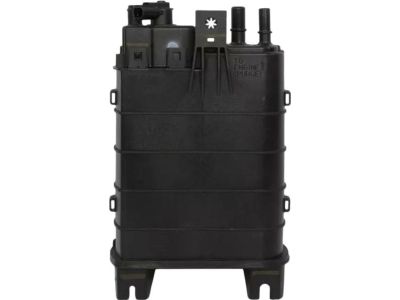
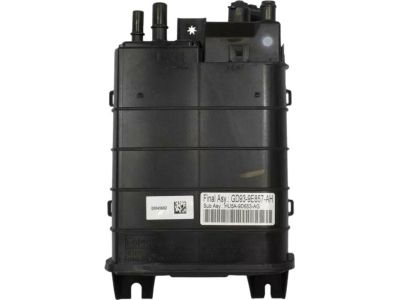
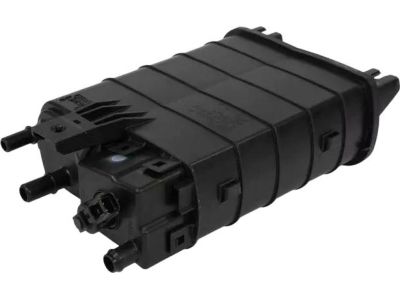
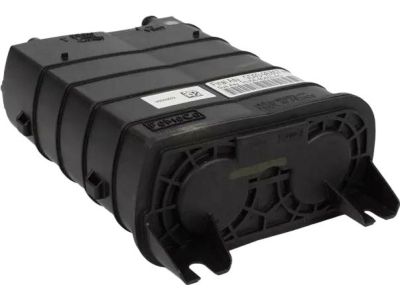
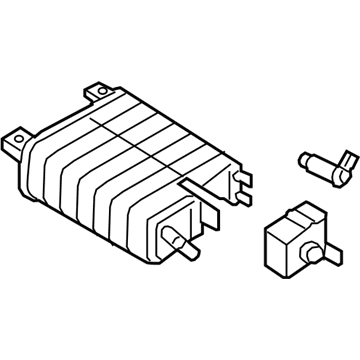
Lincoln Continental Fuel Vapour Store Cannister
Part Number: GD9Z-9D653-A$270.51 MSRP: $441.82You Save: $171.31 (39%)Ships in 1-3 Business Days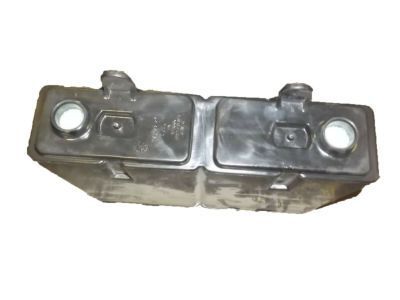
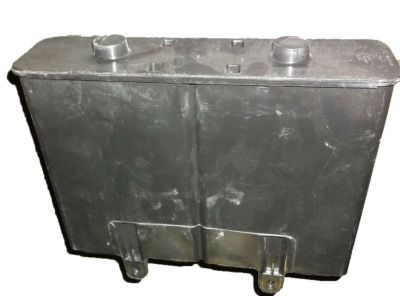
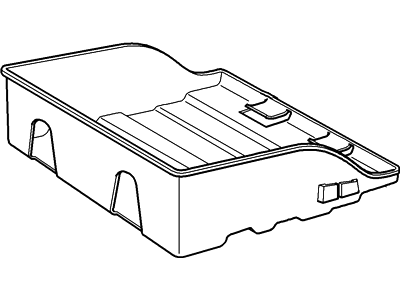
Lincoln Continental Reservoir Assembly
Part Number: F6DZ-9D653-BA$166.94 MSRP: $269.09You Save: $102.15 (38%)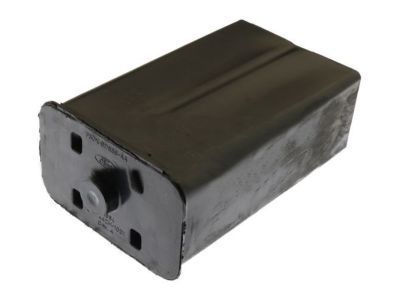
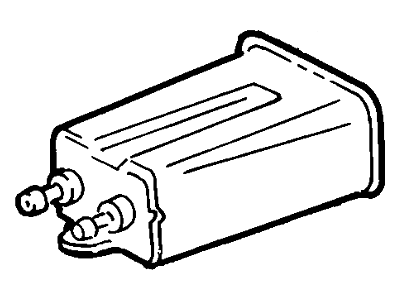
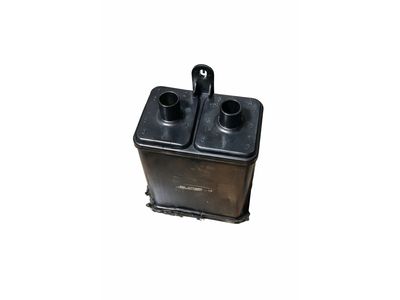
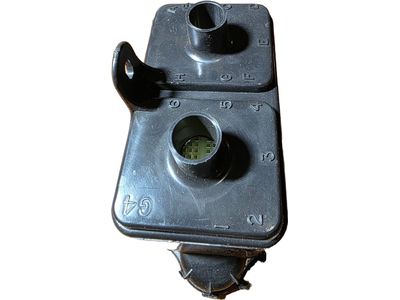
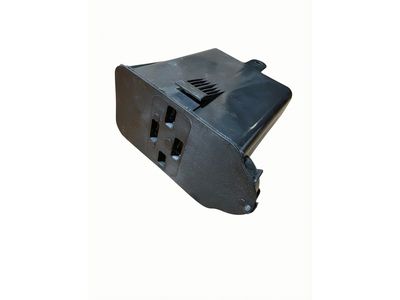
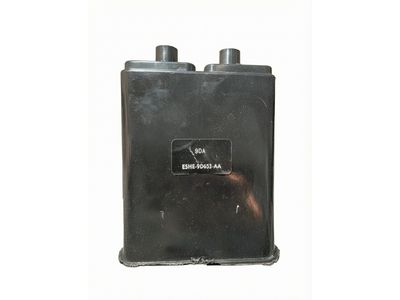
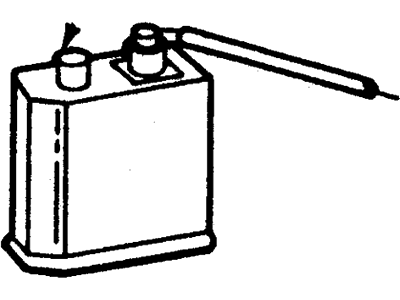
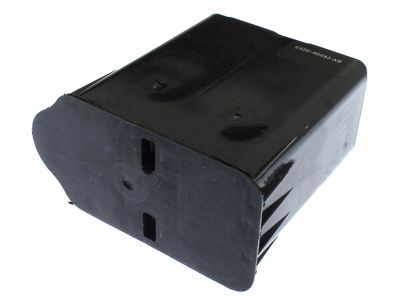
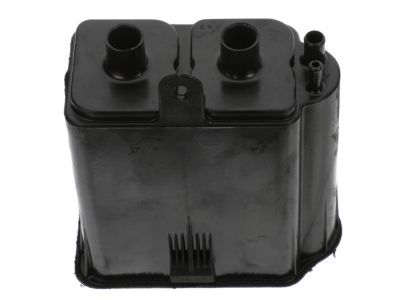
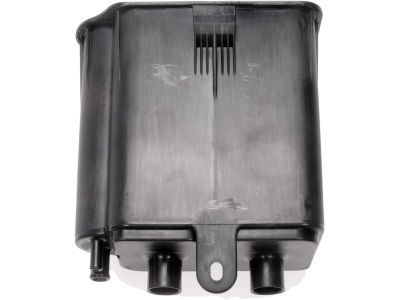
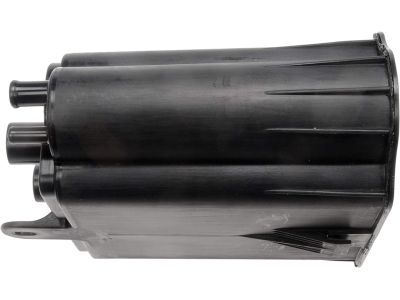
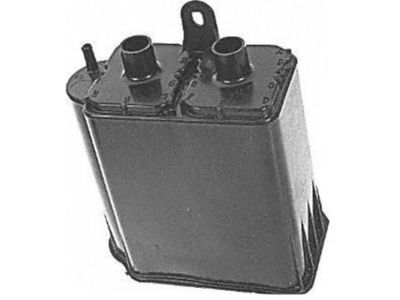
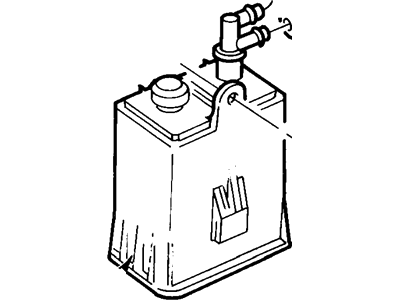
Lincoln Continental Vapor Canister
The Vapor Canister in Lincoln Continental passenger cars is an important part of the Evaporative Emissions control or the EVAP that aims at avoiding the discharge of hydrocarbons into the environment. It works under the premise of using a carbon canister that contains activated charcoal to adsorb fuel vapors. During engine running, there is a purge valve in order that the stored up vapours could be mixed with other incoming air and also be burnt in the engine. In the course of the years, modifications of this Vapor Canister have been installed in various Continental models, some of which equipped with washable filters to guarantee the efficiency of the device. More recent iterations include extra diagnostic sub-assemblies, a canister vent control solenoid and a fuel tank pressure regulator, to mention but a few making the system more efficient in detecting the leaks and improving the overall performance. These helps in the retention of the environmental requirements while enhancing the vehicle performances.
We provide a wide range of Lincoln Continental Vapor Canister at the optimal prices. If you need Lincoln Continental Vapor Canister, you can shop with confidence on our website. All our OEM parts come with a manufacturer's warranty and are delivered to your doorstep with a fast delivery service.
Lincoln Continental Vapor Canister Parts Questions & Experts Answers
- Q:What is the role of the Vapor Canister in the Evaporative Emission Control System (EECS) on Lincoln Continental?A:The design keeps fuel vapors from the fuel tank, throttle, and intake box in a storage container. The EECS uses a charcoal-filled canister with hoses connected to capture and store fuel vapors from the fuel tank, directed by vacuum from ported and intake vacuum systems. The system stores fuel vapors in the car's canister when the engine is off, and starts using them by opening a valve to draw them from the canister when the engine is running. When the purge control solenoid doesn't work, a damaged canister, or torn hoses can make the car idle poorly, stall at times, or drive poorly. Lost gas in the system or bad smells suggest fuel lines, the canister, or vapor or control hose components are broken. We need to check each hose for bends, holes, and splits, and look for any damage to the canister. When fuel leaks from the canister, the whole unit needs to be replaced, plus you need to check the hoses. The lower tube of the purge valve assembly gets connected to a short hose to see if air can pass through, and a vacuum pump checks for leaks in the purge control solenoid. The first step to check for a problem is to place a vacuum pump on the solenoid valve. If it immediately shows leaks, get a new solenoid to fix the issue. However, if it holds vacuum, attaching 12 volts from a vehicle battery should let fuel vapor pass into the intake. The canister underneath a vehicle must be carefully positioned on jackstands. Remove all vacuum lines and free the clamp that holds the canister before disconnecting, and re-installation follows this sequence in reverse.
Related Lincoln Continental Parts
 Lincoln Continental Canister Purge Valve
 Lincoln Continental PCV Valve
 Lincoln Continental PCV Hose
 Lincoln Continental PCV Valve Elbow