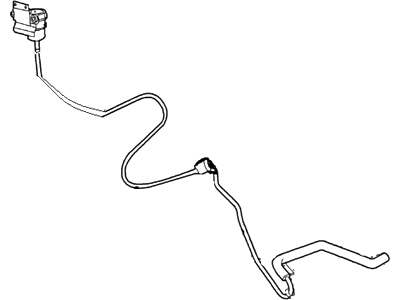
Unhook the cable that carries negative energy to the battery. Take the clip off and the mounting holding the pushrod, then disconnect it from the top of the clutch pedal while still inside the car. Take the link between the clutch and starter switch out from the rod. Pull the hydraulic line off from the slave cylinder. Be mindful of spills when you undo the bolts that hold the clutch master cylinder reservoir to the firewall inside the engine area. Into the firewall with the same tool, unscrew the bolts that hold the clutch master cylinder in place. Step carefully to avoid dropping fluid. On 2001 and newer models, you need to remove the left fenderwell cover to reach the master cylinder. Then pivot the master cylinder 45 degrees clockwise until the mounting bolts can be taken out. There are no standard bolts holding this down. Take the brake master cylinder and tank out of your engine space. Feed the clutch master cylinder through the firewall, with the pushrod pointed toward the clutch pedal's pivot pin, and install new bushing where it connects to the pedal. Fasten the master cylinder to the firewall and tighten bolts connecting to it. Fit the master cylinder reservoir to the firewall and fasten the mounting bolts with firm, controlled pressure. Connect the hydraulic line to the slave cylinder. While still inside the car, put one end of the pushrod into the clutch pedal, and then secure its connection with the clip or retainer clip. Install the clutch/starter interlock switch. Connect the negative cable to the battery. Put DOT 3 brake fluid into the clutch master cylinder tank, then drain and clean the clutch lines for brake fluid to flow through properly.