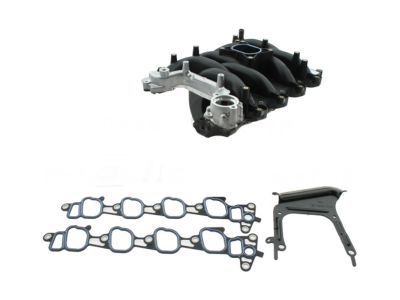
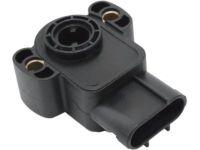
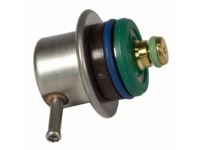
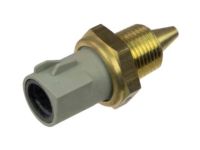
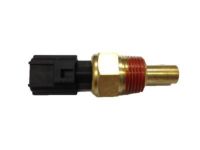
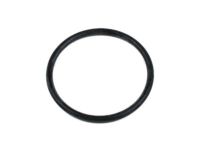
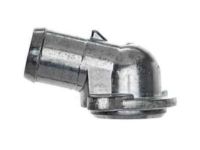
Removal and installation of the intake manifold on 1996 and newer models is similar to previous years, with the main difference being the use of plastic instead of aluminum and the attachment of the throttle body to a spacer on the manifold. To remove, first relieve fuel system pressure and disconnect the negative battery terminal. Drain the cooling system and remove the drive belt, then disconnect the radiator, heater, and water pump bypass hoses from the water outlet. Remove the thermostat housing, which is secured by bolts that also retain the intake manifold, and take off the air inlet tube. Label and disconnect the intake manifold vacuum lines, then remove the PCV and canister purge hoses from the valve covers. Disconnect the accelerator cable, automatic transmission cable, and speed control linkage if equipped, followed by the ignition wire brackets, boots, and wires. Remove the two bolts holding the alternator to the intake manifold, disconnect the alternator electrical connectors, and remove the alternator. Disconnect both ignition coils and their electrical connectors, as well as those from the camshaft sensor, coolant temperature sending unit, air charge temperature sensor, throttle positioner, idle speed control solenoid, EGR sensors, fuel injectors, and fuel charging assembly. Remove the 42-pin engine harness electrical connector from the vacuum brake booster retainer bracket and disconnect it from the main harness. Remove the throttle body and separate the wire loom bracket from the intake manifold extension. Raise the vehicle securely on jack stands, disconnect the EGR tube from the right exhaust manifold, and disconnect the electrical connector at the oil pressure sending unit. Lower the vehicle and position the harness out of the way, then disconnect the fuel supply and return lines. Loosen the lower intake manifold bolts and nuts in 1/4-turn increments, following the reverse order of the tightening sequence until they can be removed by hand. Lift the lower intake manifold from the cylinder heads, ensuring nothing else is attached, and remove it from the engine, using a prybar if necessary while avoiding damage to the gasket sealing surfaces. Remove the intake manifold gaskets and clean all traces of gasket or sealant material from the sealing surfaces. For installation, ensure the mating surfaces are perfectly clean, using gasket removal solvents as needed. If the manifold was disassembled, reassemble it or transfer components to the new manifold, applying electrically conductive sealant on the temperature sending unit threads and using a new EGR valve gasket. Clean the mating surfaces with lacquer thinner or acetone, cover open engine areas with shop rags, and use a vacuum cleaner to remove any debris. Chase the threads in the bolt holes with a tap and use compressed air to clear debris. Install the gaskets on the cylinder heads, ensuring proper alignment, then carefully set the manifold in place without disturbing the gaskets. Install the nine intake manifold bolts and tighten them to the specified torque following the correct sequence. Replace the O-ring seal on the thermostat housing, install it, and tighten the bolts to the specified torque. The remaining installation steps are the reverse of removal, and after starting the engine, check for oil and coolant leaks at the intake manifold joints.