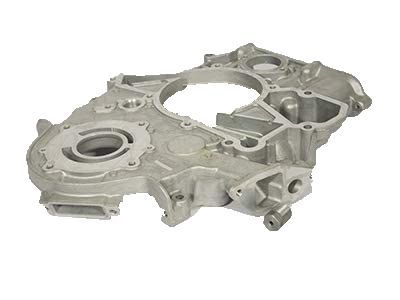
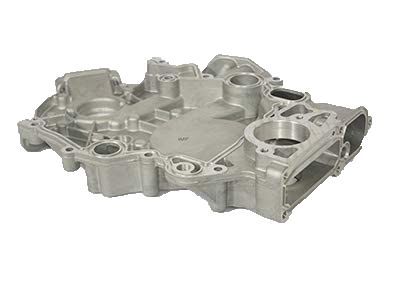
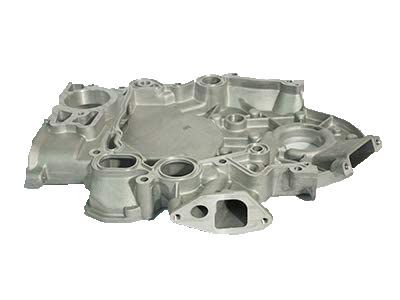
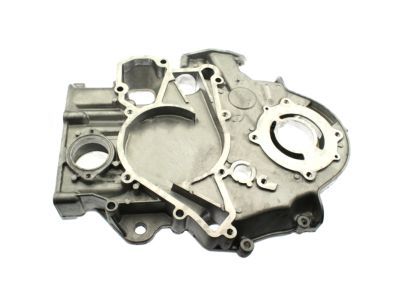
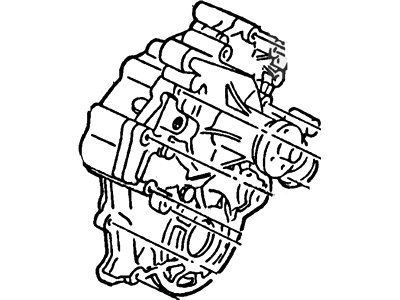
Unfortunately, it involves a gear puller and some other gear installation tools. Starting with the cooling system flush followed by the removal of the fan shroud, the radiator, the fan and pulley. Next, extract the power steering pump as well as the air conditioning compressor from the engine bracket but not the hoses and then, further remove the bracket if one wishes to access the timing cover bolts. Of course, sometimes it is required to unbolt some of the brackets linked with alternator for regulating the access to the bolts in the timing cover. Pulley should be detached from the crankshaft damper together with a large bolt and washer on the crankshaft nose so that crankshaft will be stalled. The unit will then squeeze to remove the vibration damper and one will pull horizontally using a vibration damper puller, next loosen the front oil pan bolts and remove the timing cover attaching bolt. Lift off the cover and remove the deposits of the old gasket from the contacting surfaces; remove the crankshaft oil seal and degrease the seat of the seal. Before pulling off the timing gears it is advisable to check the camshaft end play, backlash of the timing gears and timing gear run-out and replace if worn when regearing. Position the timing marks of both gears, then make the gear come off the camshaft with a two-jaw puller. If the head, valves and pistons are left in the engine, then do not rotate either the crankshaft or the camshaft before the gears have been fitted as doing so will cause considerable internal damage. The timing gear can be removed from the crankshaft with the help of a bolt-type puller. For installation some of the procedures to follow are; lining up the key, the spacer, and the thrust plate before fitting the camshaft drive gear to line up the timing marks. Position the crankshaft key and gear; make camshaft adjustments if required. Put the crankshaft oil slinger in place, put some grease on the new crankshaft oil seal, and then put the cover in at its place. Scrub all gasket surfaces and if the oil pan is still on the engine then replace the pan seal. On the mating surfaces, align the pan seal tabs and apply RTV sealant. Align the cover with the crankshaft and cylinder block then start the screws on the cover by hand. Align the assembly and tighten the bolts, apply some oil to the crankshaft nose and to the damper hub, lastly put some RTV sealant at the back of the keyway on the damper hub. Place back the damper and bolt, with washer, and tighten in recommended torque value, put in the pulley and tighten the bolts to proper torque. As it has been mentioned above, the rest of the installation process is done in the reverse order to that with the removal. Last but not the least get the engine oiled if there was a leakage Start the engine, let the engine warm up and inspect for Oil leakages and Ignition timing.