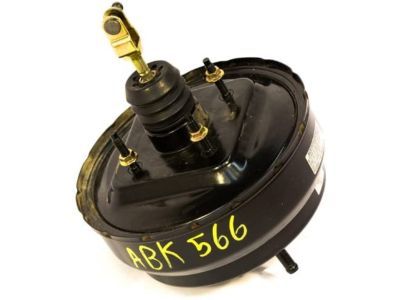
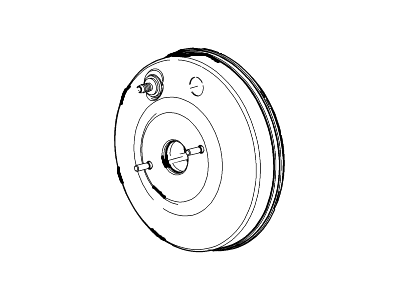
In operating check for brake system, apply the brake pedal several times with the engine switched off to note if the brake pedal reserve distance is affected. Then push the pedal down and start the engine if the pedal has sunk slightly, normal operation is indicated. During the airtightness check, switch on the engine and turn it off after one or two minutes and then press the brake pedal several times gently; if the booster sink the first time but float subsequently after the second or the third pressing the booster is airtight. If the engine is running, apply the brake pedal and shut off the engine with the brake pedal applied; if the change in the amount of reserve pressure after holding the brake pedal for 30 seconds is nil, then the booster is airtight. The power unit requires the use of special tools, and usually is not rebuilt by the home mechanic; should a problem develop, it is suggested that a new or factory rebuilt unit be installed. The top side of the master cylinder is accessed at the engine compartment; nuts connecting it to the booster to be loosened and then the master cylinder to be pulled forward gently taking care not to strain the brake hose. On 3.0L models it should be noted that it may be required to disconnect the EVAP canister purge valve. Remove the Vacuum hose from the power brake booster, take both cables off of the battery and remove the battery tray. After that, unbolt and take out the PCM after which you take off the PCM bracket. There is a retaining pin and washer; remove it and loose the pushrod at the top of the brake pedal. Take out all the nuts that join the booster to the firewall; then place the booster unit high from the firewall and out of the engine room. For the booster to be mounted, it has to be fitted into its correct fitting place then the nuts that hold it in place have to be tightened to the right torque as required then the pushrod that connects it to the brake pedal has to be fitted. If the booster to firewall gasket has been damaged it has to be replaced by new gasket. Last but not the least fix the master cylinder in place and reconnect the vacuum hose to it and then check every bit of the working of the brakes before actually putting the car to normal usage.