My Garage
My Account
Cart
Genuine Mercury Lynx Wheel Bearing
Hub Bearing- Select Vehicle by Model
- Select Vehicle by VIN
Select Vehicle by Model
orMake
Model
Year
Select Vehicle by VIN
For the most accurate results, select vehicle by your VIN (Vehicle Identification Number).
1 Wheel Bearing found
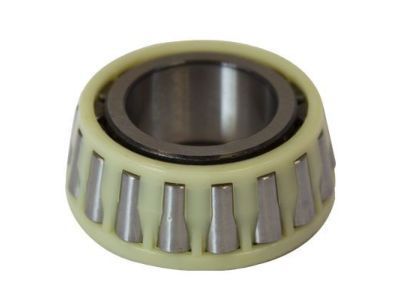
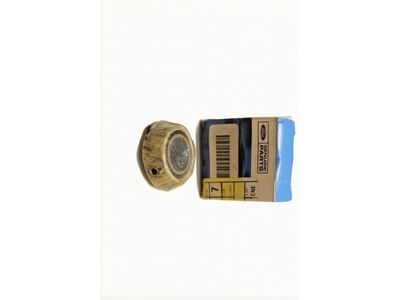
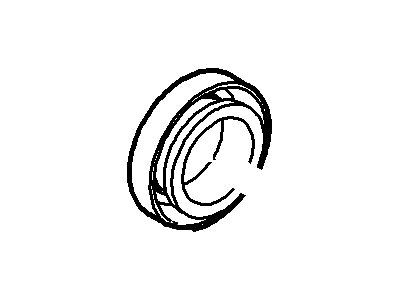
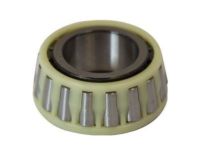
Mercury Lynx Wheel Bearing
The Wheel Bearing of Mercury Lynx vehicles is a part that enables the wheels of the vehicle to rotate with ease while at the same time maintaining a certain level of safety. In this case there are 3 arrangements of the hub and bearing and the most popular of them comprises a unit assembly of the sensor of the anti-locking braking system. They may also cause noise and vibration that in the long run leads to the loss of the wheel if not well attended to. To check for problems, spin it and visually analyze the hub for problems and then use the dial indicator for play. A special attention should be paid to tapered roller bearings, which are replaceable; it is necessary to check their condition constantly and apply the appropriate amount of grease. All in all, on Mercury Lynx vehicles, Wheel Bearings are an important component that is responsible for providing smooth as well as safe drive.
We provide a wide range of Mercury Lynx Wheel Bearing at the optimal prices. If you need Mercury Lynx Wheel Bearing, you can shop with confidence on our website. All our OEM parts come with a manufacturer's warranty and are delivered to your doorstep with a fast delivery service.
Mercury Lynx Wheel Bearing Parts Questions & Experts Answers
- Q:How to inspect and service the rear Wheel Bearing and Wheel Hub assembly on Mercury Lynx?A:If access is available, also check the bearing for signs of wear and tear, and with an oily film and free of any contamination in the form of a gritty paste, or milky-white color. Insert a screwdriver and then remove the grease seal gently and without damages; then dispose the seal. Soak the bearings in the solvent and blow them with the compressed air when they are dry they should not spin. Check for bearing wear, pitting or scoring; mild blueing is acceptable but should the bearings or races of the load be badly worn or damaged then new bearings/races have to be fitted. Withdraw the used grease from the hub cavity and wipe off with solvent and after that blow off with compressed air and ensure that solvent does not come into contact with the brake shoe contact area. Freight car bearing races should be checked for signs of wear, overheating, pitting and corrosion; if found to be bad, they should be hammered out with Hammer and punch without damaging the hub. New races must be driven using either a bearing driver or an appropriately-sized pipe and hammer, but must not be bent or out of line. Using a clean grease gun fill the bearings with high temperature, multi purpose EP Grease from the back of the cage to the rollers . A small amount of grease should be applied on the hub cavity and spindle, the outer edge of the new grease seal should be lubricated and the bearing installed next before the new seal is pressed into the position where the lip is facing the inside. Finally make sure that the grease seal is in position on the hub and seat it properly by applying hammer and block of wood then grease the seal cavity, lip and the polished section of the spindle. Last but not the least, fit the rear brake drum/hub assembly and the wheel bearings need to be also aligned.