Make sure this part fits

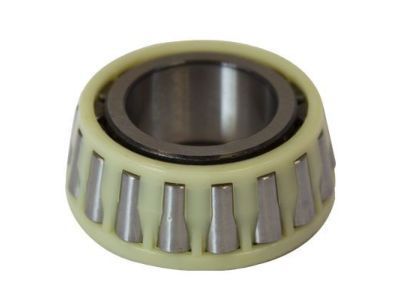
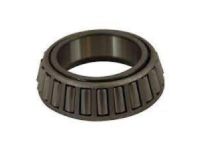
Ford E7TZ-1216-A Bearing Cone And Roller

1980-2006 Ford E7TZ1216A

Customer Questions & Expert Answers (14)
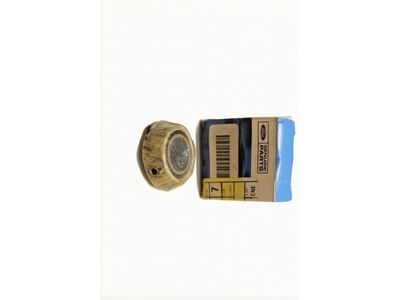
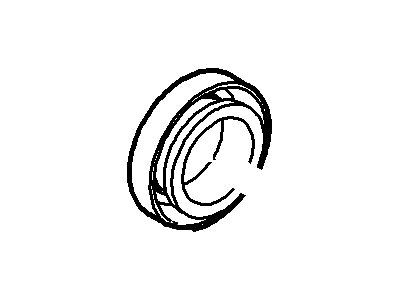
E7TZ-1216-A Ford Bearing Cone And Roller Product Photo 1 of 1
  • Part Description
    Cone And Roller - Bearing
  • Base No.
    1216
  • Position
    Front
  • Manufacturer
    Ford
Make sure this part fits
$21.33 MSRP: $29.14
You Save: $7.81 (27%)
1
ADD TO CART
  • Related Parts
  • Product Specifications
  • Vehicle Fitment
  • Customer Questions & Expert Answers
  • Product Specifications

    BrandGenuine Ford
    Base No.1216
    Manufacturer Part NumberE7TZ-1216-A, E7TZ1216A
    Part DescriptionCone And Roller - Bearing
    Item Dimensions3.1 x 3.0 x 0.8 inches
    Item Weight0.60 Pounds
    PositionFront
    ConditionNew
    Fitment TypeDirect Replacement
    Require Quantity2
    ManufacturerFord
    SKUE7TZ-1216-A
    WarrantyThis genuine Ford part is guaranteed by Ford's factory warranty.
    Shipping & ReturnShipping Policy Return Policy
    Warning: California's Proposition 65
  • Vehicle Fitment

    Year Make Model Engine Important vehicle option details
    2005-2006 Ford E-15010 Cyl 6.8L SOHC EFI NA, 8 Cyl 4.6L Romeo SOHC EFI, 8 Cyl 5.4L Modular SOHC, 8 Cyl 6.0L Diesel OHV DI4-Speed Automatic Transmission 4R70W (AODE), 4-Speed Automatic Transmission 4R75E Livonia, 4-Speed Automatic Transmission AODEW/4R70E W/TSS, 4-Speed Automatic Transmission AODEW/4R75E W/TSS, 5-Speed Automatic Transmission 5R110W - HI/Torque, 5-Speed Automatic Transmission 5R110W NAAO
    1984-1985 Ford EXP4 Cyl 1.6L3AT ATX, 4MT, 5MT
    1984-1990 Ford Escort4 Cyl 1.6L, 4 Cyl 1.9L, 4 Cyl 2.0L3AT ATX, 4MT, 5MT
    1980-1983 Ford Fairmont4 Cyl 2.3L, 6 Cyl 3.3L, 8 Cyl 4.2L, 8 Cyl 5.0L3AT C3, 3AT C4, 3AT C5, 4MT
    1980-1982 Ford Granada4 Cyl 2.3L, 6 Cyl 3.3L, 6 Cyl 3.8L, 6 Cyl 4.1L, 8 Cyl 4.2L, 8 Cyl 5.0L3AT C3, 3AT C4, 3AT C5, 4MT
    1980-1993 Ford Mustang4 Cyl 2.3L, 6 Cyl 3.3L, 6 Cyl 3.8L, 8 Cyl 4.2L, 8 Cyl 5.0L3AT C3, 3AT C4, 3AT C5, 4AT A4LD, 4AT AOD, 4MT, 5MT
    1980 Ford Pinto4 Cyl 2.3L3AT C3, 3AT C4
    1986-1989 Ford Taurus4 Cyl 2.5L, 6 Cyl 3.0L, 6 Cyl 3.8L3AT ATX, 4AT AXOD, 5MT
    1984-1994 Ford Tempo4 Cyl 2.0L, 4 Cyl 2.3L, 6 Cyl 3.0L3AT ATX, 4MT, 5MT
    1980-1988 Ford Thunderbird4 Cyl 2.3L, 6 Cyl 3.3L, 6 Cyl 3.8L, 8 Cyl 4.2L, 8 Cyl 5.0L3AT C3, 3AT C4, 3AT C5, 4AT A4LD, 4AT AOD, 5MT
    View More
  • Customer Questions & Expert Answers

    Q:
    I would like to know is this part gonna fit with my car Posted by FordPartsGiant Specialist
    A:
    You can Select Your Vehicle to check if E7TZ-1216-A fits your vehicle.
    Posted by FordPartsGiant Specialist
    Q:
    How to service front wheel bearings on Ford Fairmont? Posted by Customer
    A:
    In most cases, the front wheel bearings will not need servicing until the brake pads are changed. However, these bearings should be checked whenever the front wheels are raised for any reason. With the vehicle securely supported on jack stands, spin the wheel and check for noise, rolling resistance or free play. Grasp the top of the tire with one hand and the bottom of the tire with the other. Move the tire in and out on the spindle. If it moves more than 0.005 in, the bearing should be checked, then repacked with grease or replaced as necessary. To remove the bearings for replacing or repacking, begin by removing the hub cap and wheel. Remove the grease cap, using a screwdriver. Straighten and remove the cotter pin and remove the nut lock. With an adjustable wrench or channel-lock-type pliers, remove the lock nut. Remove the flat washer. Grasp the brake rotor firmly and with a slight rocking motion, withdraw the hub from the spindle. Inspection and packing procedures for the wheel bearings can be found. Installing is the reversal of removal but the wheel bearings must be adjusted before the nut lock and cotter pin are fitted. Install the lock nut finger tight and then rock the hub assembly in and out several times to push the brake pads away from the rotor. Install the wheel. While rotating the wheel and hub assembly, tighten the nut to 17 to 25 ft-lb (10 to 15 Nm) to seat the bearings. Loosen the nut one-half turn and then retighten to 10 to 15 lb-in(1.1 to 1.7 Nm). Install the nut lock on the nut so that the castellations on the lock align with the spindle cotter pin hole. Install the cotter pin, bending the ends around the flange of the nut lock. Spin the wheel and hub assembly to check for proper operation. Reinstall the grease cap, using a punch to lock it in position.
    Posted by FordPartsGiant Specialist
    Q:
    How to properly replace the wheel bearings on Ford Fairmont? Posted by Customer
    A:
    Chock the rear wheels, apply the parking brake, loosen the front wheel nuts, jack up the front of the car, and support it on firmly based axle stands before removing the road wheel. Detach the disc brake caliper and carefully remove the grease cap from the hub. Withdraw the cotter pin and lift away the nut lock, adjusting nut, and plain washers from the spindle, then lift away the outer bearing cone and roller assembly. Remove the disc from the wheel spindle and use a screwdriver or tapered drift to remove the grease seal, which must be replaced. Take out the inner bearing cone and roller assembly from the hub, clean grease from the inner and outer bearing cups, and inspect for signs of wear, scratching, or pitting, as damage necessitates replacement of the bearings using a tapered drift. Clean the inner and outer bearing cone and roller assemblies, wiping them dry with a clean lint-free rag, and carefully inspect for wear or damage, ensuring that new cone and roller assemblies are not used with old cups. Clean the spindle and lubricate it with fresh grease. If the inner or outer bearing cups were removed, fit new cups using a suitable diameter drift, ensuring they are correctly seated. Pack the inside of the hub with fresh grease until it is flush with the inside diameter of both bearing cups, then clean off old grease from each bearing cone and roller assembly, packing them with fresh grease while working it well between the rollers. Place the inner bearing cone and roller assembly in the inner cup, apply a smear of grease to the lip of the grease seal, and replace it using a suitable diameter drift, ensuring it is correctly seated. Reinstall the disc onto the wheel spindle, keeping the hub in a central position to avoid damaging the grease retainer, then replace the outer bearing cone and roller assembly, followed by the plain washer and adjustment nut. Adjust the wheel bearing, fit a new cotter pin, and bend the ends around the castellations of the nut lock to prevent interference with the radio static collector in the grease cap if equipped. Finally, replace the grease cap by tapping it into position with a soft-faced hammer, reinstall the caliper, secure the wheel, lower the car to the ground, and before driving, pump the brake pedal to restore normal brake pedal travel.
    Posted by FordPartsGiant Specialist
    Q:
    How to remove the Wheel Bearing on Ford Pinto with Integral differential type rear axle? Posted by Customer
    A:
    Remove the axle shaft assembly. Using a hammer and sharp chisel make several deep nicks in the bearing retainer ring. This will release its grip on the axle shaft and allow it to be slid off the shaft. If it is tight however, split with a sharp chisel. Place the axle shaft upside-down in a vise so that the bearing retainer is on the top of the jaws and the axle shaft flange is under them, and using a soft-faced hammer drive the axle shaft through the bearing. If this proves difficult it will be necessary to use a garage press. Note which way round the bearing is fitted. Place the retainer plate and new bearing (correct way round) on the shaft. Place the axle shaft vertically between the jaws of a bench vise -flange uppermost, so that the inner track is resting on the top of the vise jaws. Using a soft-faced hammer, drive the axle shaft through the bearing until it is seated fully against the shaft shoulder. The bearing retainer should next be refitted, the sequence for this being the same as for the bearing. Do not attempt to fit the bearing and retainer at one go. Pack the bearing with a little multi-purpose grease. Refit the axle shaft assembly.
    Posted by FordPartsGiant Specialist
    Q:
    How to adjust the wheel bearings after removal and refitting on the front of a Mercury Bobcat? Posted by Customer
    A:
    The following adjustment should be carried out at specified intervals or after the hub has been removed and refitted. Begin by chocking the rear wheels and applying the parking brake, then jack up the front of the car and support it on firmly based stands. Remove the hub cap and ease off the grease cap from the hub. Wipe the excess grease from the end of the spindle, then remove the cotter pin and nut lock. Slowly rotate the wheel and hub assembly while tightening the adjusting nut to a torque wrench setting of 17 to 25 lbf ft (24 to 33 Nm) to seat the bearings. Using a box spanner, back off the adjustment nut by one half of a turn and then retighten it to a torque wrench setting of 10 to 15 lbf in (1 to 1.7 Nm) or finger tight. Ensure that the castellations on the nut lock align with the cotter pin hole in the spindle. Fit a new cotter pin and bend the ends around the castellated flange of the nut to prevent interference with the grease cap. Check that the wheel rotates freely, then refit the grease cap and hub cap before lowering the car to the ground. Additional lubricant should not be required during the adjusting operation; however, if there has been severe leakage of grease through a faulty seal, the seal must be renewed and the lubricant replenished.
    Posted by FordPartsGiant Specialist
    Q:
    How to properly replace the front wheel bearings on Mercury Bobcat? Posted by Customer
    A:
    Chock the rear wheels and apply the parking brake, then jack up the front of the car and support it on firmly based axle stands before removing the roadwheel. There is no need to disconnect the hydraulic pipeline, but ensure the weight of the caliper does not hang from it. Carefully remove the grease cap from the hub, then withdraw the cotter pin and lift away the nut lock, adjusting nut, and thrust washer. Lift away the outer bearing cone and roller assembly, followed by removing the brake disc from the wheel spindle. Use a screwdriver or tapered drift to remove the grease seal, which must be renewed. Take out the inner bearing cone and roller assembly from the hub, and remove grease from the inner and outer bearing tracks and the hub interior, inspecting for signs of wear, scratching, or pitting, as damage of this kind necessitates renewing the bearings. Drive out the bearing tracks using a drift, ensuring not to use new bearings with the original outer tracks; if both sides of the vehicle are being worked upon, keep the bearing components from the two sides separate. Fit the new tracks into the full depths of their recesses, work fresh lubricant into the new inner bearing rollers, and fit the bearing into the hub. Grease the lips of a new grease seal and install it, then pack the space between the two bearing tracks with fresh lubricant to the thickness of the bearing tracks. Refit the brake disc onto the wheel spindle, ensuring the hub remains central to avoid damaging the grease retainer, then fit the outer bearing cone and roller assembly, followed by the plain washer and adjustment nut. Adjust the wheel bearing, fit a new cotter pin, and bend the ends around the castellations of the nut lock to prevent interference with the grease cap. Finally, refit the grease cap by tapping it into position with a soft-faced hammer, secure the wheel, and lower the car to the ground.
    Posted by FordPartsGiant Specialist
    Q:
    How to service front wheel bearings on Lincoln Continental? Posted by Customer
    A:
    In most cases, the front wheel bearings will not need servicing until the brake pads are changed. However, they should be checked whenever the front of the vehicle is raised for any reason. Several items, including a torque wrench and special grease, are required for this procedure: Hammer, Grease, Wood block, Needle-nose pliers, Torque wrench, Screwdriver, Socket/breaker bar, Brush. With the vehicle securely supported on jackstands, spin each wheel and check for noise, rolling resistance, and free play. Grasp the top of each tire with one hand and the bottom with the other, moving the wheel in-and-out on the spindle. If there is any noticeable movement, the bearings should be checked and then repacked with grease or replaced if necessary. Remove the wheel and the brake caliper, hanging it out of the way on a piece of wire. A wood block can be slid between the brake pads to keep them separated. Pry the dust cap out of the hub using a screwdriver or hammer and chisel. Straighten the bent ends of the cotter pin, then pull it out of the nut lock. Discard the cotter pin and use a new one during reassembly. Remove the nut lock, nut, and washer from the end of the spindle. Pull the hub/disc assembly out slightly, then push it back into its original position to force the outer bearing off the spindle enough so it can be removed. Pull the hub/disc assembly off the spindle. Use a screwdriver to pry the seal out of the rear of the hub and remove the inner wheel bearing. Use solvent to remove all traces of the old grease from the bearings, hub, and spindle, allowing the parts to air dry. Inspect the bearings for cracks, heat discoloration, worn rollers, etc., and check the bearing races inside the hub for wear and damage. If defective, the hubs should be taken to a machine shop to remove the old races and press new ones in, noting that bearings and races come as matched sets. Use high-temperature front wheel bearing grease to pack the bearings, working it completely into the rollers, cone, and cage from the back side. Apply a thin coat of grease to the spindle at the outer bearing seat, inner bearing seat, shoulder, and seal seat. Put a small quantity of grease inboard of each bearing race inside the hub, forming a dam at these points with your finger. Place the grease-packed inner bearing into the rear of the hub and put a little more grease outboard of the bearing. Place a new seal over the inner bearing and tap it evenly into place with a hammer and blunt punch until it is flush with the hub. Carefully place the hub assembly onto the spindle and push the grease-packed outer bearing into position. Install the washer and spindle nut, tightening the nut only slightly (no more than 12 ft-lbs of torque). Spin the hub in a forward direction while tightening the spindle nut to approximately 20 ft-lbs to seat the bearings. Loosen the spindle nut 1/4-turn, then tighten the nut by hand until it is snug. Install the nut lock and a new cotter pin through the hole in the spindle and the slots in the nut lock, bending the ends of the cotter pin flat against the nut and cutting off any extra length. Install the dust cap, tapping it into place with a hammer. Place the brake caliper near the rotor, carefully remove the wood spacer, and install the caliper. Install the wheel on the hub and tighten the lug nuts. Grasp the top and bottom of the tire and check the bearings as described earlier. Finally, lower the vehicle.

    Posted by FordPartsGiant Specialist
    Q:
    How to service front wheel bearings on Lincoln Mark VII? Posted by Customer
    A:
    In most cases, the front wheel bearings will not need servicing until the brake pads are changed. However, they should be checked whenever the front of the vehicle is raised for any reason. Several items, including a torque wrench and special grease, are required for this procedure: Hammer, Grease, Wood block, Needle-nose pliers, Torque wrench, Screwdriver, Socket/breaker bar, Brush. With the vehicle securely supported on jackstands, spin each wheel and check for noise, rolling resistance, and free play. Grasp the top of each tire with one hand and the bottom with the other, moving the wheel in-and-out on the spindle. If there is any noticeable movement, the bearings should be checked and then repacked with grease or replaced if necessary. Remove the wheel and the brake caliper, hanging it out of the way on a piece of wire. A wood block can be slid between the brake pads to keep them separated. Pry the dust cap out of the hub using a screwdriver or hammer and chisel. Straighten the bent ends of the cotter pin, then pull it out of the nut lock. Discard the cotter pin and use a new one during reassembly. Remove the nut lock, nut, and washer from the end of the spindle. Pull the hub/disc assembly out slightly, then push it back into its original position to force the outer bearing off the spindle enough so it can be removed. Pull the hub/disc assembly off the spindle. Use a screwdriver to pry the seal out of the rear of the hub and remove the inner wheel bearing. Use solvent to remove all traces of the old grease from the bearings, hub, and spindle, allowing the parts to air dry. Inspect the bearings for cracks, heat discoloration, worn rollers, etc., and check the bearing races inside the hub for wear and damage. If defective, the hubs should be taken to a machine shop to remove the old races and press new ones in, noting that bearings and races come as matched sets. Use high-temperature front wheel bearing grease to pack the bearings, working it completely into the rollers, cone, and cage from the back side. Apply a thin coat of grease to the spindle at the outer bearing seat, inner bearing seat, shoulder, and seal seat. Put a small quantity of grease inboard of each bearing race inside the hub, forming a dam at these points with your finger. Place the grease-packed inner bearing into the rear of the hub and put a little more grease outboard of the bearing. Place a new seal over the inner bearing and tap it evenly into place with a hammer and blunt punch until it is flush with the hub. Carefully place the hub assembly onto the spindle and push the grease-packed outer bearing into position. Install the washer and spindle nut, tightening the nut only slightly (no more than 12 ft-lbs of torque). Spin the hub in a forward direction while tightening the spindle nut to approximately 20 ft-lbs to seat the bearings. Loosen the spindle nut 1/4-turn, then tighten the nut by hand until it is snug. Install the nut lock and a new cotter pin through the hole in the spindle and the slots in the nut lock, bending the ends of the cotter pin flat against the nut and cutting off any extra length. Install the dust cap, tapping it into place with a hammer. Place the brake caliper near the rotor, carefully remove the wood spacer, and install the caliper. Install the wheel on the hub and tighten the lug nuts. Grasp the top and bottom of the tire and check the bearings as described earlier. Finally, lower the vehicle.

    Posted by FordPartsGiant Specialist
    Q:
    How to check the Shock Absorber, CV Boot and Wheel Bearing on Your Mercury Lynx? Posted by Customer
    A:
    Abnormal tire wear, reduced fuel efficiency, and diminished ride quality may result from wearing out or damaging steering linkage and suspension parts. To evaluate the struts, park vehicle on level ground, switch off engine, apply the parking brake and check tire pressures. Push down at each corner while observing the body's movement; it should rebound to level within one or two bounces. Any continuous movement or failure to return indicates potential strut problems. Redo this test for all corners of the vehicle if necessary jackstands can be used to raise the vehicles and examine shock struts for fluid leakage and ensure secure mounting. If leakage is found coming from any of them , replace both damaged struts on that end . Moreover, inspect front suspension as well as steering components for leaks damage and worn seals. Such joints need replacement when there are movements detected by pushing tire inwards or outward then placing a finger into them so as to assess play. Check also for any looseness in tie-rod ends and steering gear mounts by pushing/pulling tires away from/to you . For excessive play in front wheel bearings again push or pull tire after which you should listen for anything unusual during rotation. Lastly ensure that the CV Boot has no cracks, tears, holes or deteriorated rubber before cleaning it off just in case it was dirty. If the boot is torn apart have a look at its joints to see whether they are damaged near the CV Boot then find some new boots if need be.
    Posted by FordPartsGiant Specialist
    Q:
    Should front wheel bearings be adjusted if the wheel is loose on the spindle or does not rotate freely on Mercury Zephyr? Posted by Customer
    A:
    Front wheel bearings should be adjusted if the wheel is loose on the spindle or does not rotate freely. Begin by chocking the rear wheels and applying the parking brake, then jack up the front of the car and support it on firmly based stands. Remove the hub cap and ease off the grease cap from the hub. Wipe the excess grease from the end of the spindle, then remove the cotter pin and nut lock. Slowly rotate the wheel and hub assembly while tightening the adjusting nut to the specified torque wrench setting to seat the bearings. Using a box wrench, back off the adjustment nut by half a turn and then retighten it to a torque setting of 10 to 15 in-lb or finger-tight. Ensure the castellations on the nut lock align with the cotter pin hole in the spindle. Fit a new cotter pin and bend its ends around the castellated flange of the nut. Finally, check that the wheel rotates freely, replace the grease cap and hub cap, and lower the car to the ground.
    Posted by FordPartsGiant Specialist
    Q:
    How to inspect and service the rear Wheel Bearing and Wheel Hub assembly on Mercury Lynx? Posted by Customer
    A:
    If access is available, also check the bearing for signs of wear and tear, and with an oily film and free of any contamination in the form of a gritty paste, or milky-white color. Insert a screwdriver and then remove the grease seal gently and without damages; then dispose the seal. Soak the bearings in the solvent and blow them with the compressed air when they are dry they should not spin. Check for bearing wear, pitting or scoring; mild blueing is acceptable but should the bearings or races of the load be badly worn or damaged then new bearings/races have to be fitted. Withdraw the used grease from the hub cavity and wipe off with solvent and after that blow off with compressed air and ensure that solvent does not come into contact with the brake shoe contact area. Freight car bearing races should be checked for signs of wear, overheating, pitting and corrosion; if found to be bad, they should be hammered out with Hammer and punch without damaging the hub. New races must be driven using either a bearing driver or an appropriately-sized pipe and hammer, but must not be bent or out of line. Using a clean grease gun fill the bearings with high temperature, multi purpose EP Grease from the back of the cage to the rollers . A small amount of grease should be applied on the hub cavity and spindle, the outer edge of the new grease seal should be lubricated and the bearing installed next before the new seal is pressed into the position where the lip is facing the inside. Finally make sure that the grease seal is in position on the hub and seat it properly by applying hammer and block of wood then grease the seal cavity, lip and the polished section of the spindle. Last but not the least, fit the rear brake drum/hub assembly and the wheel bearings need to be also aligned.
    Posted by FordPartsGiant Specialist
    Q:
    How to remove and install a wheel bearing on Mercury Grand Marquis? Posted by Customer
    A:
    Axle shaft has to be removed and oil seal taken out. Use a bearing puller or make a custom tool for removing the bearing. Insert this slide hammer attached removal tool through the middle and pull it against the back side in order to yank the bearing from axle housing. Employing a slide hammer, extract the bearing. Take away all dirt and fit in a new bearing using an appropriately-sized one. With gear lubricant, grease it up and insert the new bearing back into its recess. Next, discard the old oil seal and install another one before putting in place again the axle shaft.
    Posted by FordPartsGiant Specialist
    Q:
    How can the axleshaft bearing be removed from the 1982 Lincoln Town Car? Posted by Customer
    A:
    The axleshaft bearing can be removed by using a slide hammer and puller attachment.
    Posted by FordPartsGiant Specialist
    See expert answers on similar Wheel Bearing
    Q:
    How should I apply the grease to the spindle for the 1983 Mercury Capri? Posted by Customer
    A:
    Apply a thin coat of grease to the spindle at various points.
    Posted by FordPartsGiant Specialist
    See expert answers on similar Wheel Bearing
    If you have any questions about this product, please don't hesitate to ask us. We will be happy to help you!

Genuine Ford Part E7TZ-1216-A, the Right Choice

To ensure reliability, purchase part # E7TZ-1216-A Bearing Cone And Roller. It is also called Wheel Bearing. OEM parts are of high quality and known for their longevity. This is because they are built to the Ford standards which are relatively high and undergo rigorous quality control testing. This part fits specific Ford E-150, Escort, Mustang models. It fits Lincoln Continental, Mark VI, Mark VII. It also fits Mercury Bobcat, Capri, Cougar.

FordPartsGiant.com is a leading supplier of genuine components and accessories such as E7TZ1216A Bearing Cone And Roller. Looking to purchase quality low-cost OEM Ford parts? You have just found the right place. For detailed Ford parts information, click here.

Why choose Ford Parts Giant

  • Dedicated Service

    Your complete satisfaction is our #1 goal

  • Lowest Prices

    Best deals on genuine OE parts from dealerships

  • Fast Delivery

    Orders are processed and delivered promptly