

My Garage
My Account
Cart
Genuine Mercury Engine Mount
Engine Motor Mount- Select Vehicle by Model
- Select Vehicle by VIN
Select Vehicle by Model
orMake
Model
Year
Select Vehicle by VIN
For the most accurate results, select vehicle by your VIN (Vehicle Identification Number).
309 Engine Mounts found
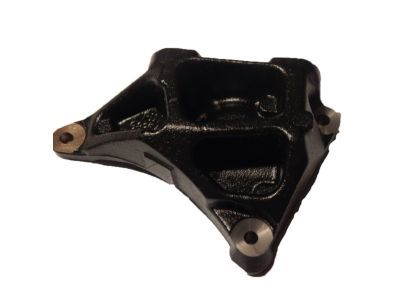
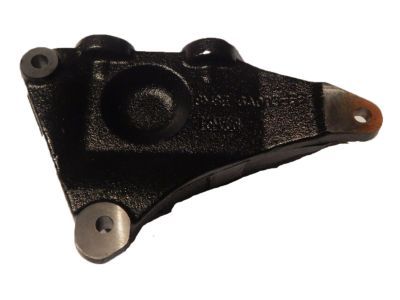
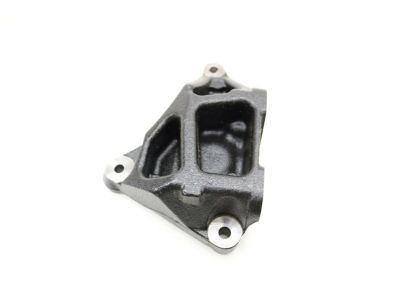
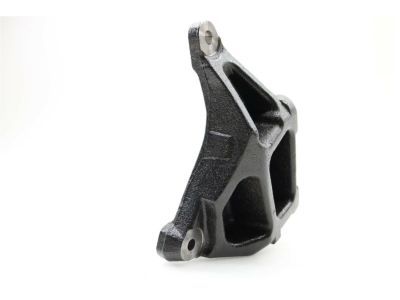
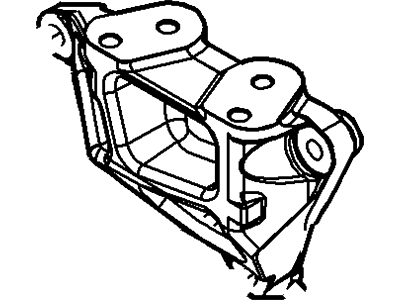
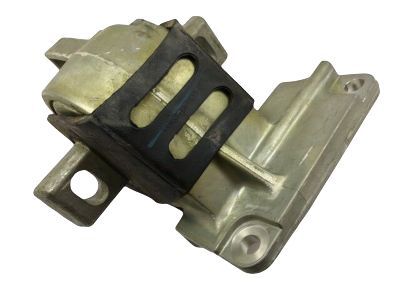
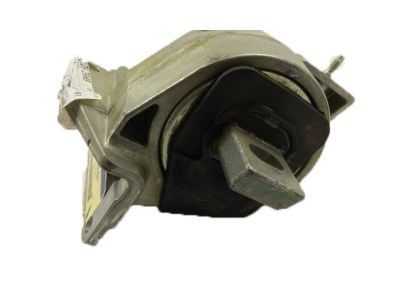
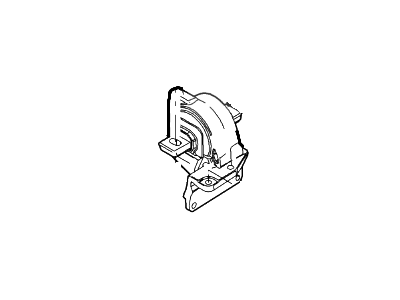
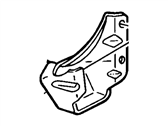
Mercury Front Mount
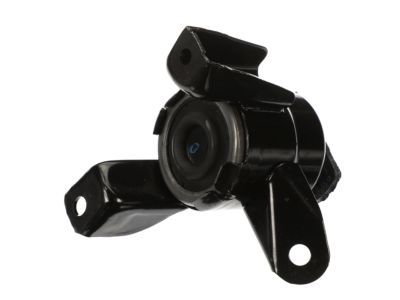
Part Number: 8M8Z-6038-A$111.83 MSRP: $175.00You Save: $63.17 (37%)Ships in 1-2 Business DaysProduct Specifications- Other Name: Bracket - Engine Mounting
- Manufacturer Note: Bracket
- Position: Passenger Side
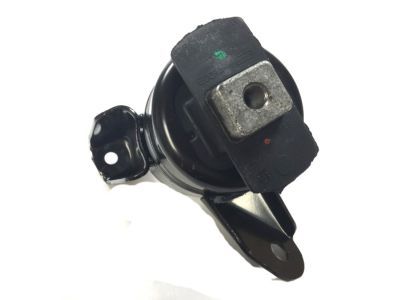
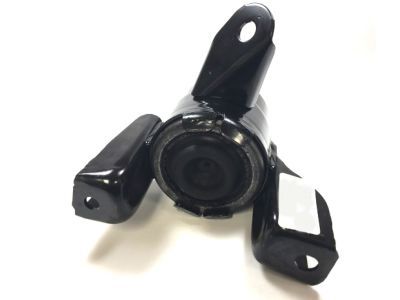
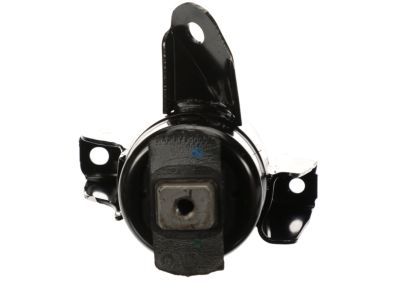
 Product Specifications
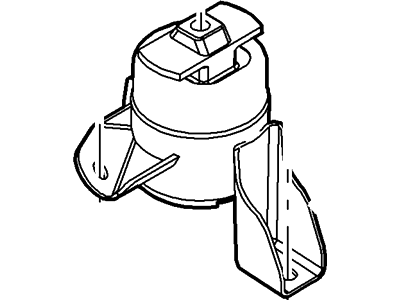
- Other Name: Bracket - Engine Front Support; Front Mount, Mount
- Position: Front
- Replaces: 6E5Z-6038-CA, 6E5Z-6061-BA, 6E5Z-6038-CK
Mercury Transmission Mount
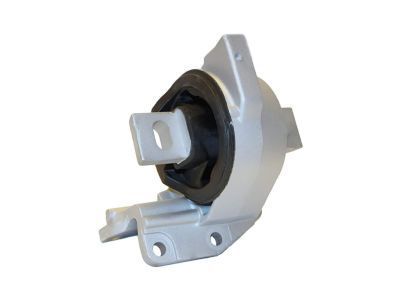
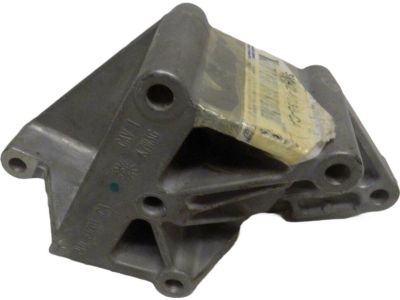
Part Number: 6H6Z-6038-BA$80.19 MSRP: $121.50You Save: $41.31 (34%)Ships in 1-2 Business DaysProduct Specifications- Other Name: Insulator Assembly
- Position: Driver Side
Mercury Front Mount
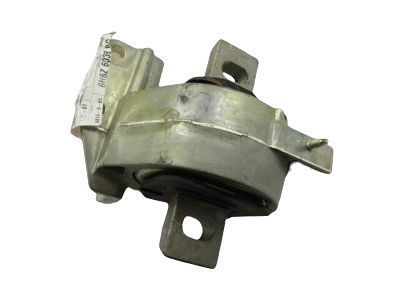
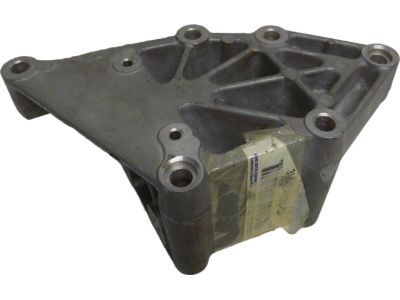
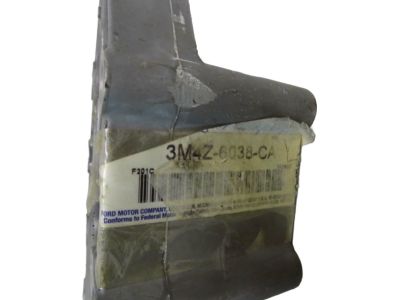
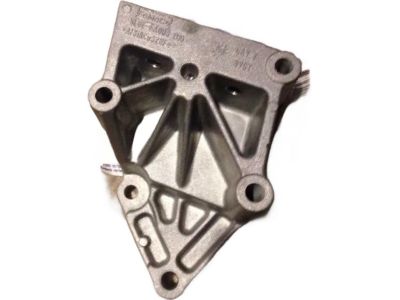
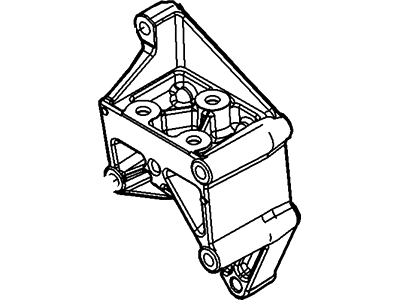
Part Number: 3M4Z-6038-CA$45.65 MSRP: $62.38You Save: $16.73 (27%)Ships in 1-2 Business DaysProduct Specifications- Other Name: Bracket - Engine Mounting; Front Mount, Front Support
- Replaces: 3M4Z-6038-BA
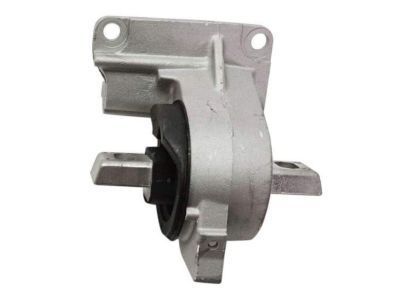
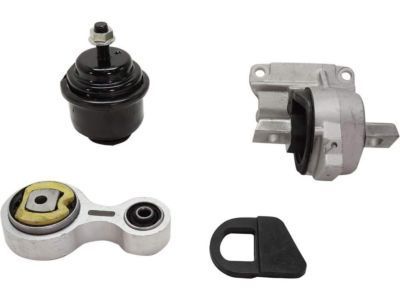
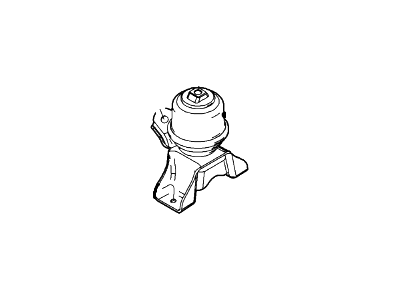
Mercury Front Mount
Part Number: 6E5Z-6038-CK$64.99 MSRP: $96.50You Save: $31.51 (33%)Ships in 1-2 Business DaysProduct Specifications- Other Name: Insulator Assembly; Front Mount, Mount
- Manufacturer Note: Requires Multiple Replacment Parts
- Position: Passenger Side
- Replaced by: 9E5Z-6038-F
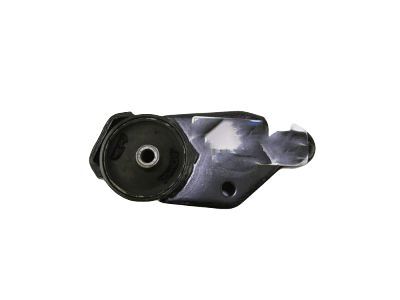
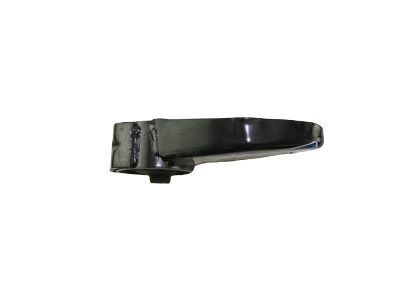
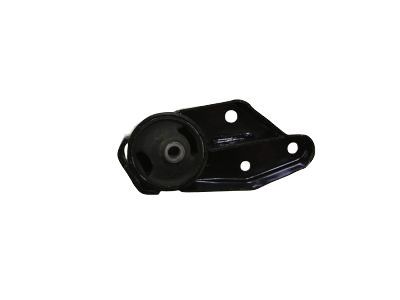
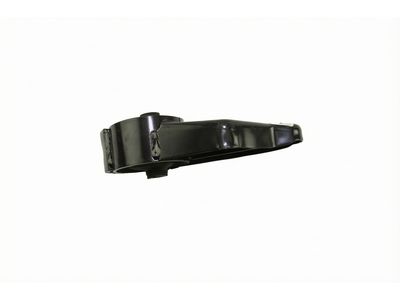
Mercury Front Mount
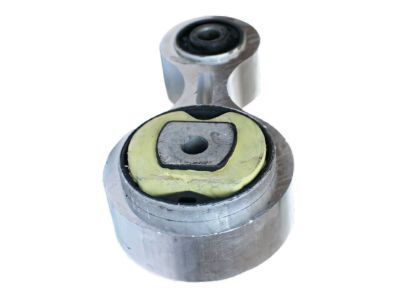
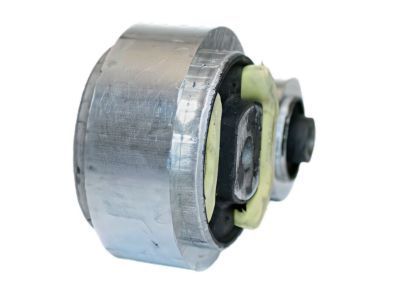
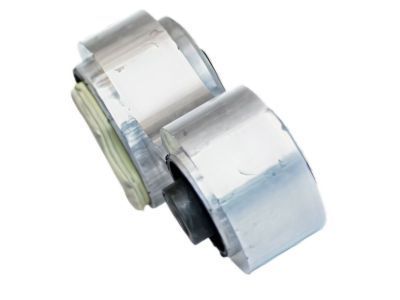
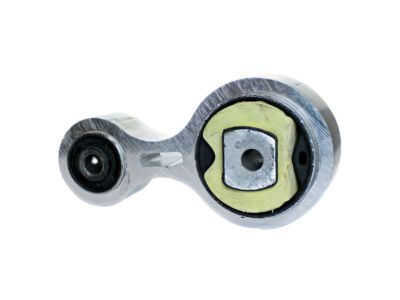
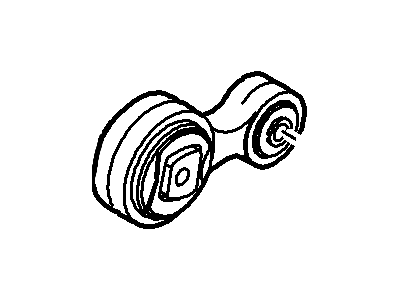
Part Number: XF5Z-6038-AA$18.02 MSRP: $24.62You Save: $6.60 (27%)Ships in 1-2 Business DaysProduct Specifications- Other Name: Insulator Assembly - Engine Support; Front Mount, Insulator
- Manufacturer Note: LH Front
- Position: Driver Side
- Replaces: XF5Z-6029-AA
 Product Specifications
- Replaced by: 8E5Z-6068-D
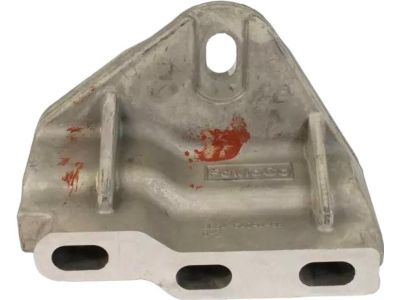
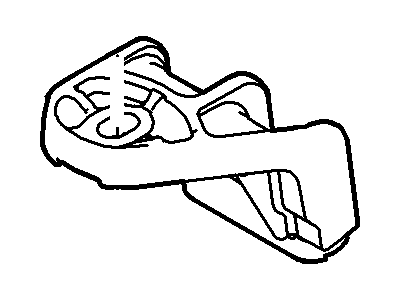
Mercury Front Bracket
Part Number: 8L8Z-6061-BA$29.28 MSRP: $40.01You Save: $10.73 (27%)Ships in 1-2 Business DaysProduct Specifications- Other Name: Bracket - Engine Support; Bracket, Front Bracket
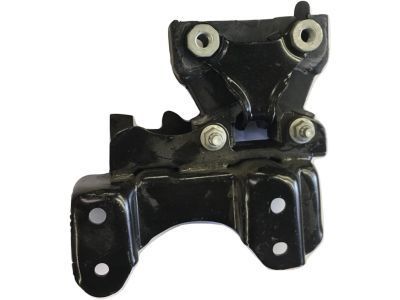
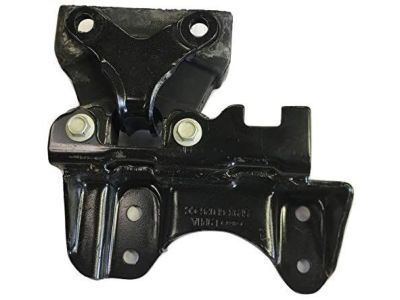

Mercury Restrictor
Part Number: 5F9Z-6068-CA$72.97 MSRP: $101.37You Save: $28.40 (29%)Ships in 1-2 Business DaysProduct Specifications- Other Name: Insulator Assembly - Engine Support; Restrictor
- Position: Rear
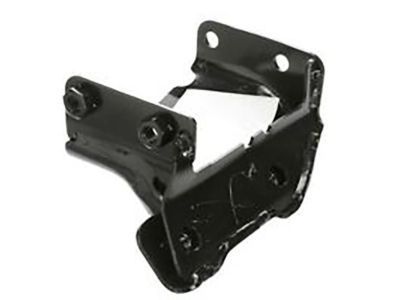
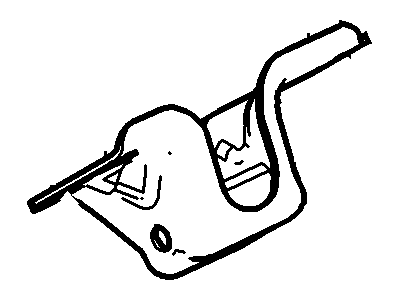
Mercury Motor Mount Bracket
Part Number: 7A2Z-6031-AA$17.23 MSRP: $23.54You Save: $6.31 (27%)Ships in 1-2 Business DaysProduct Specifications- Other Name: Bracket - Engine Mounting; Bracket, Motor Mount Bracket
- Position: Driver Side
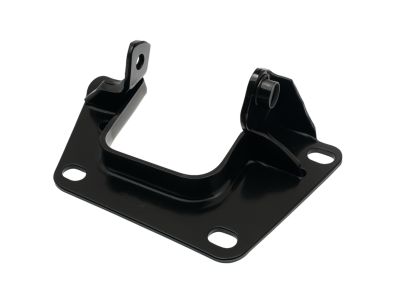
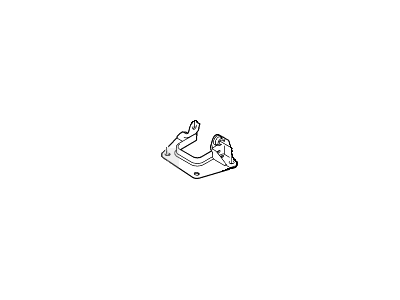
Mercury Transmission Mount Bracket
Part Number: 9L8Z-6M007-A$28.82 MSRP: $39.37You Save: $10.55 (27%)Ships in 1-2 Business DaysProduct Specifications- Other Name: Bracket; Transmission Mount Bracket
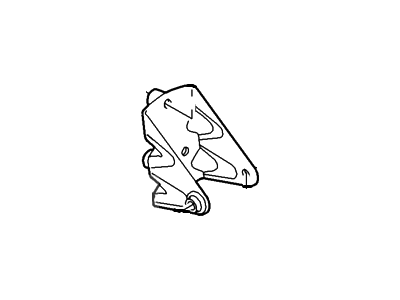
Mercury Front Mount
Part Number: 9L8Z-6031-B$28.82 MSRP: $39.37You Save: $10.55 (27%)Ships in 1-2 Business DaysProduct Specifications- Other Name: Bracket - Engine Mounting; Front Mount
Mercury Front Mount
Part Number: 9L8Z-6031-A$31.60 MSRP: $43.89You Save: $12.29 (28%)Ships in 1-2 Business DaysProduct Specifications- Other Name: Bracket - Engine Mounting; Front Mount
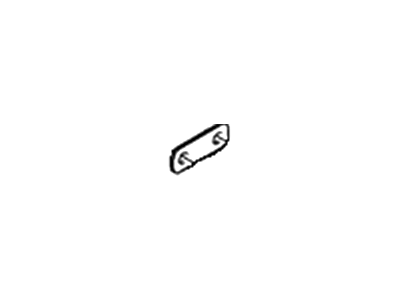
Mercury Torque Strut Retainer Bracket
Part Number: 9E5Z-6038-E$13.73 MSRP: $18.75You Save: $5.02 (27%)Ships in 1-3 Business DaysProduct Specifications- Other Name: Insulator; Torque Strut Retainer Bracket
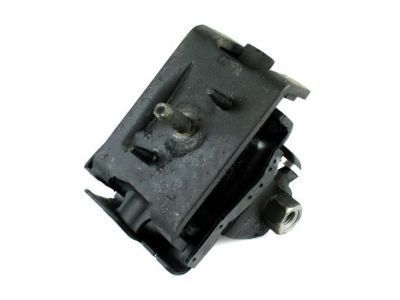
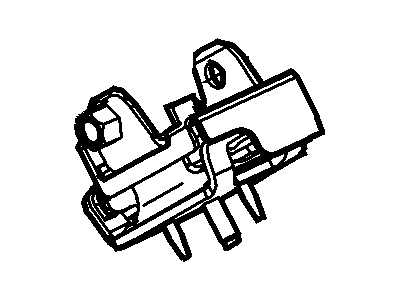
Mercury Engine Support Insulator Assembly
Part Number: 7A2Z-6038-CA$62.70 MSRP: $91.67You Save: $28.97 (32%)Product Specifications- Other Name: Insulator Assembly - Engine Support; Front Mount, Motor Mount
- Position: Driver Side
- Replaces: 7A2Z-6038-A, 7A2Z-6038-C
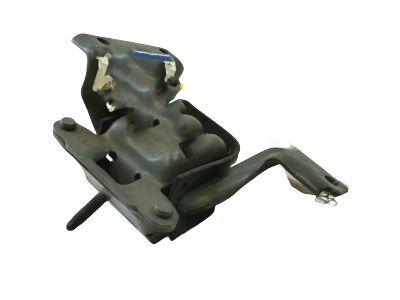
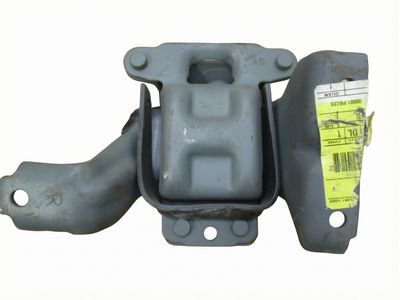
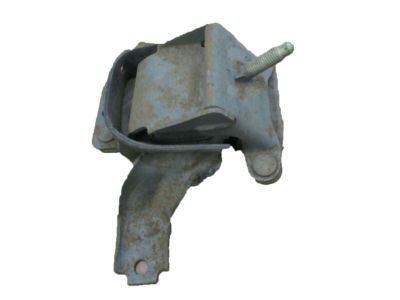
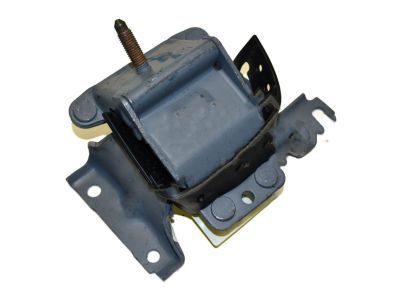
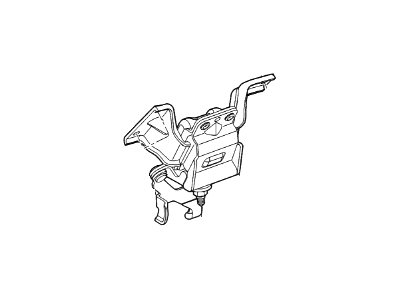 Product Specifications
- Other Name: Insulator Assy; Front Mount, Mount
- Manufacturer Note: RH, front, police, taxi, fleet, limo - severe duty
- Position: Passenger Side
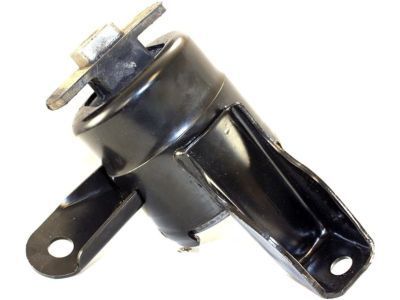
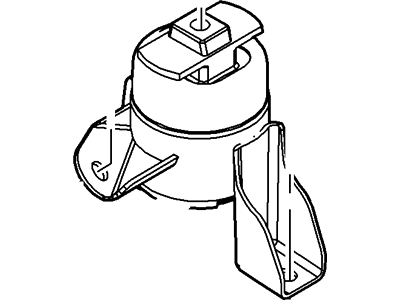 Product Specifications
- Other Name: Bracket - Engine Front Support; Front Mount, Mount
- Position: Front
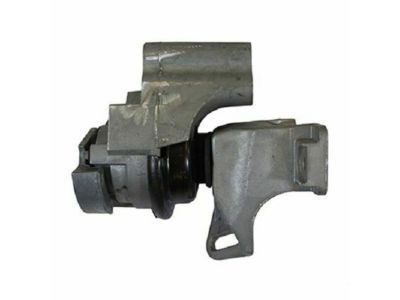
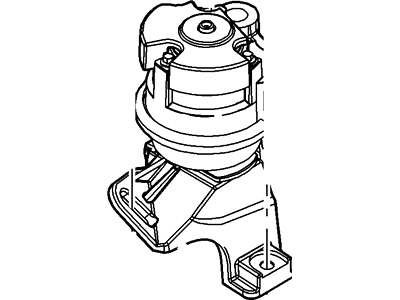 Product Specifications
- Other Name: Front Mount, Mount
- Replaces: 7H6Z-6038-AA
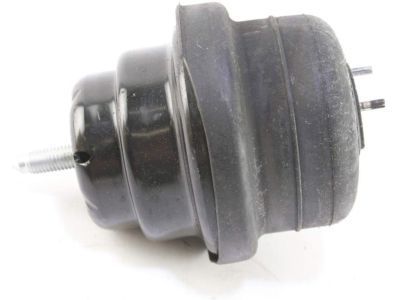
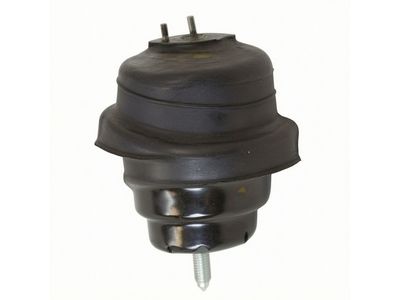
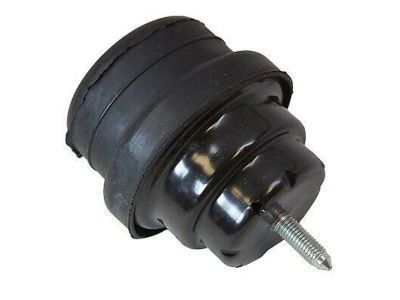
 Product Specifications
- Other Name: Insulator Assy; Front Insulator, Front Mount
- Position: Front
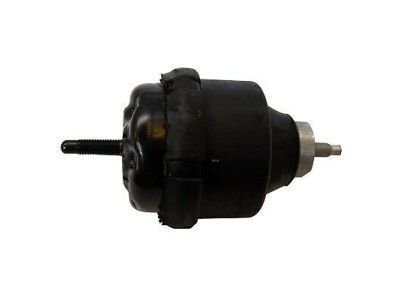
 Product Specifications
- Other Name: Insulator Assembly
- Position: Passenger Side
| Page 1 of 16 |Next >
1-20 of 309 Results
Mercury Engine Mount
We offer a wide variety of genuine Mercury Engine Mounts at competitive prices online. Our OEM Mercury Engine Mounts come with the assurance of a manufacturer's warranty, alongside a hassle-free return policy and prompt delivery service, ensuring a worry-free shopping experience.
Mercury Engine Mount Parts Questions & Experts Answers
- Q:What should be done if engine mounts are broken or deteriorated in 2.8L V6 engine on Mercury Capri?A:Engine mounts generally do not need service but if the main rubber pieces of the mount are damaged or have worn down they should be replaced instantly to avoid damage or wearing out to other parts of the drivetrain. To check the mounts, place the engine in a little off the ground to take the weight off of the mounts. Start by lifting the car and supporting it safely using jack stands, then place a jack under the engine oil pan and put a large piece of wood in between the jack head and the oil pan, and then lift the engine ever so slightly in a bid to ease the weight off the mounts. To check the mounts examine them for cracks or areas of hardened rubber as well as where the rubber has bonded to the metal plates; the rubber may split right down the middle. Push and pull the mount plates against the engine or frame, using a large screwdriver or pry bar; if they have shifted during the operation, lower the engine and fasten the mount bolts and nuts. In order to reduce the rate of deterioration of the mounts, it is recommended that the rubber preservative be applied on it. For replacement, first, remove the negative battery cable then lift the car on hydraulic jack and put it on stands if not already done. Far as disassembly, undo the fasteners to free the mount from the frame, jack or hoist the engine a little so that the fan does not tap on the radiator or the shroud mount and undo the mount-to-block bolts to free the mount. The procedures are done in the reverse order of removal, and the thread locking compound is applied to the mount bolts, and they must be tightened.
Related Mercury Parts


Browse by Model
Capri Engine Mount Cougar Engine Mount Grand Marquis Engine Mount Lynx Engine Mount Mariner Engine Mount Marquis Engine Mount Milan Engine Mount Montego Engine Mount Monterey Engine Mount Mountaineer Engine Mount Mystique Engine Mount Sable Engine Mount Topaz Engine Mount Tracer Engine Mount Villager Engine Mount Zephyr Engine Mount