My Garage
My Account
Cart
Genuine Lincoln Mark VII Ignition Coil
Ignition Coil Resistor- Select Vehicle by Model
- Select Vehicle by VIN
Select Vehicle by Model
orMake
Model
Year
Select Vehicle by VIN
For the most accurate results, select vehicle by your VIN (Vehicle Identification Number).
2 Ignition Coils found
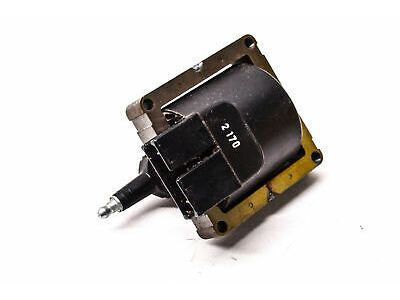
Lincoln Mark VII Ignition Coil
Part Number: F7PZ-12029-AA$49.90 MSRP: $69.45You Save: $19.55 (29%)Ships in 1-2 Business Days
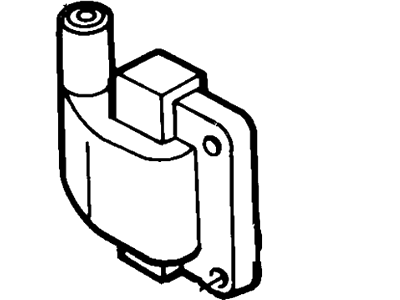
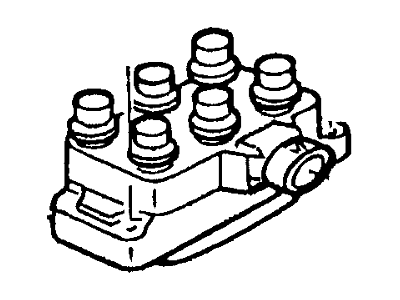
Lincoln Mark VII Ignition Coil Assembly
Part Number: F5FZ-12029-A$49.90 MSRP: $69.45You Save: $19.55 (29%)Ships in 1-2 Business Days
Lincoln Mark VII Ignition Coil
Lincoln Mark VII Ignition Coil is one of the performance parts that aid in the vehicle ignition systems. The primary output of the ignition coil changes the low voltage from the battery into high voltage power to create a spark to ignite the air/fuel mixture in the cylinders. This process relates to two coils, namely the primary and the secondary coils which are made of insulated copper wire and are wound around an iron core which is housed in a container. The primary circuit deals with the battery and charging system and; the secondary circuit entails the high tension lead, the distributor cap, and spark plug wires. Distributor ignition, coil-on-plug, wasted spark are the types of ignition system in which the voltage is distributed through the spark plugs according to their working mechanism. Malfunction of the ignition coil causes no-start, or rough running conditions, proving the significance of the component to vehicle performance and fuel economy.
We provide a wide range of Lincoln Mark VII Ignition Coil at the optimal prices. If you need Lincoln Mark VII Ignition Coil, you can shop with confidence on our website. All our OEM parts come with a manufacturer's warranty and are delivered to your doorstep with a fast delivery service.
Lincoln Mark VII Ignition Coil Parts Questions & Experts Answers
- Q:How to test and replace ignition coils in different types of ignition systems on Lincoln Mark VII?A:For coils used before 1999, you should first use numbered tape to mark the wires and terminals before removing the primary and high-tension wires from the coil. Take out the coil assembly, clear its outside shell, look for any cracks or parts that won't work. Check the primary and tower terminal of the coil for rust, then wipe away any damage. Use an ohmmeter to check the coil primary resistance and compare it with the expected numbers; also do the same for its secondary resistance. When the measurements from our sensors are off, we need to replace the component. Check every wire lead and coil connection for any dirt, corrosion, or water damage before you put the coil back. With your ignition off, disconnect the wires from the coil. Then, measure both primary and secondary resistances. Replace the coil when you find incorrect readings with a breakerless system. Take the primary winding's resistance between the coil and the case. If the resistance falls below what's recommended, buy a new coil. Start with battery disconnect, then unhook the cable from the negative terminal. Unbutton the primary wire clamps, smaller cans, and coil from its place. Reinstallation follows the reverse order. When fixing EDIS systems, pull out all electrical plugs and check that the coil terminals measure the same resistance as stated by the manufacturer. Pinpoint resistance in each coil pack by touching one terminal of each pair. To change the ignition coil, start by taking off the black negative battery terminal. Then, disconnect the wire connectors from the ignition coil. Move slowly, as you work to disconnect the wires from their joint. Reconnect the ignition coil's bolts and replace it using the same steps, but push the spark plug wires back onto the rubber boot, covered with silicone dielectric compound.