

My Garage
My Account
Cart
Genuine Ford Taurus Radiator
Cooling Radiator- Select Vehicle by Model
- Select Vehicle by VIN
Select Vehicle by Model
orMake
Model
Year
Select Vehicle by VIN
For the most accurate results, select vehicle by your VIN (Vehicle Identification Number).
28 Radiators found
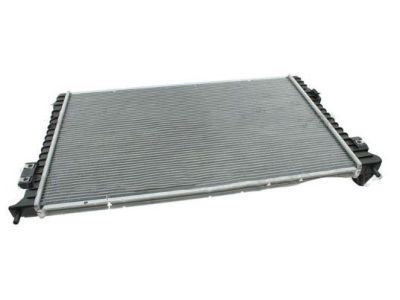
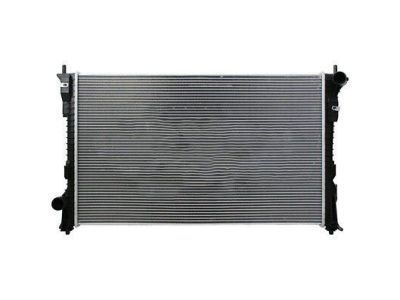
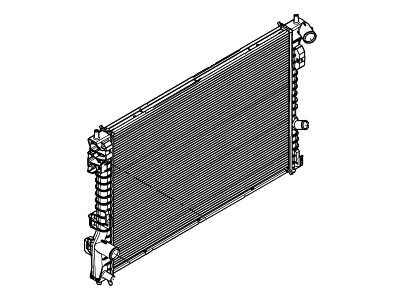
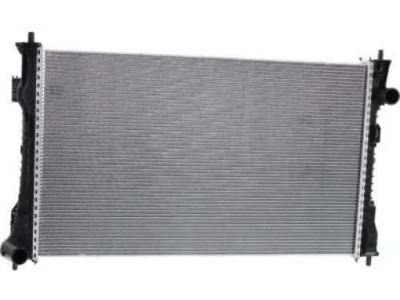
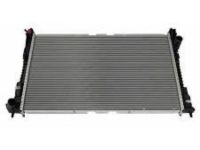
Ford Taurus Radiator Assembly
Part Number: DG1Z-8005-F$225.24 MSRP: $350.62You Save: $125.38 (36%)Ships in 1-2 Business Days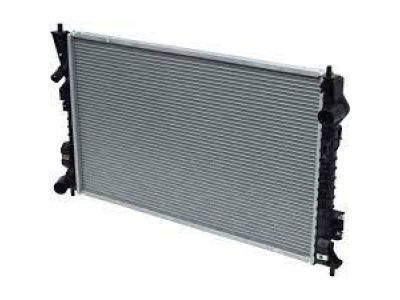
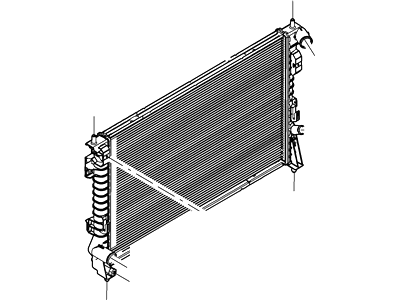
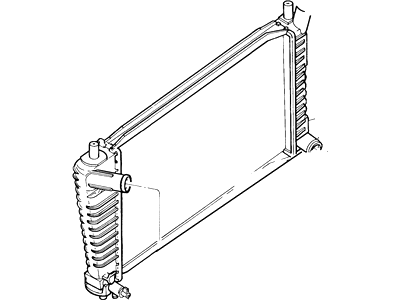
Ford Taurus Radiator Assembly
Part Number: 7T4Z-8005-B$197.78 MSRP: $307.67You Save: $109.89 (36%)Ships in 1-2 Business Days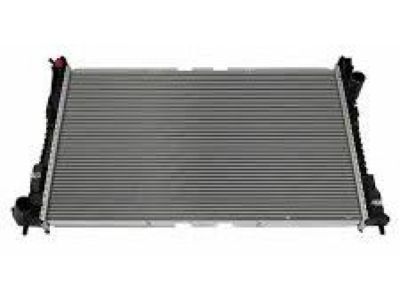
Ford Taurus Radiator Assembly
Part Number: EG1Z-8005-A$195.26 MSRP: $289.95You Save: $94.69 (33%)Ships in 1-2 Business Days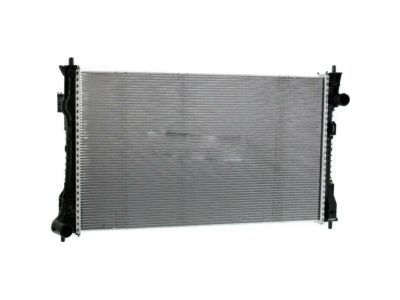
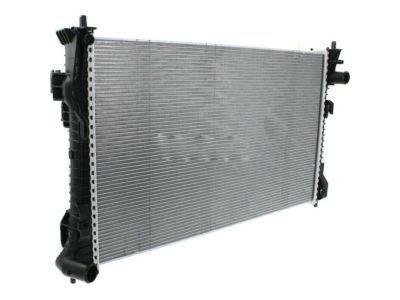
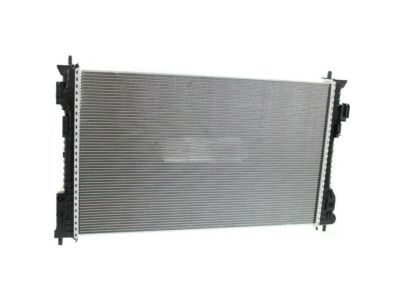
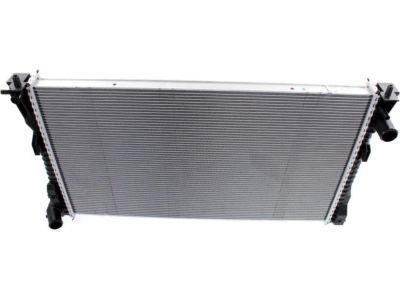
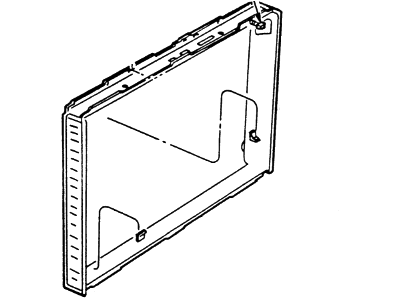
Ford Taurus Radiator Assembly
Part Number: DG1Z-8005-D$319.90 MSRP: $478.95You Save: $159.05 (34%)Ships in 1-2 Business Days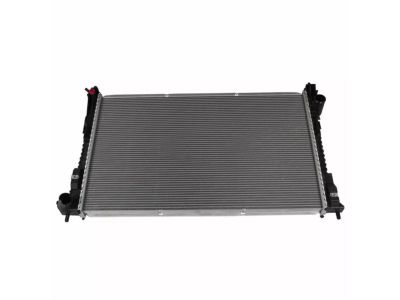
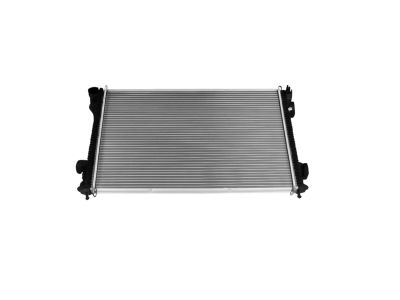
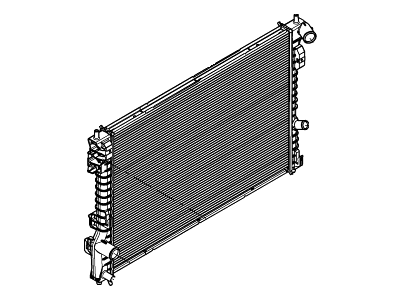
Ford Taurus Radiator Assembly
Part Number: EG1Z-8005-B$241.13 MSRP: $360.43You Save: $119.30 (34%)Ships in 1-2 Business Days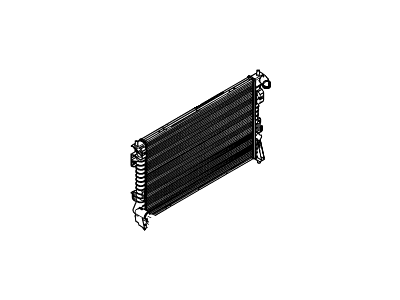
Ford Taurus Radiator Assembly
Part Number: EG1Z-8005-C$205.06 MSRP: $307.02You Save: $101.96 (34%)Ships in 1-2 Business DaysFord Taurus Radiator Assembly
Part Number: DG1Z-8005-G$195.26 MSRP: $289.95You Save: $94.69 (33%)Ships in 1-2 Business DaysFord Taurus Radiator Assembly
Part Number: DG1Z-8005-E$205.06 MSRP: $307.02You Save: $101.96 (34%)Ships in 1-2 Business Days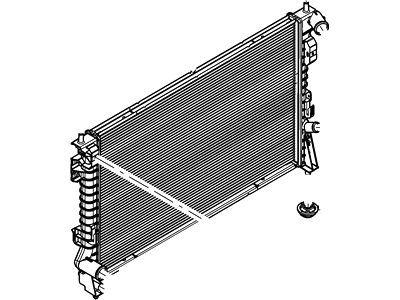
Ford Taurus Radiator Assembly
Part Number: 8G1Z-8005-A$241.14 MSRP: $322.33You Save: $81.19 (26%)Ships in 1-2 Business DaysFord Taurus Radiator Assembly
Part Number: DG1Z-8005-A$241.13 MSRP: $360.43You Save: $119.30 (34%)Ships in 1-2 Business Days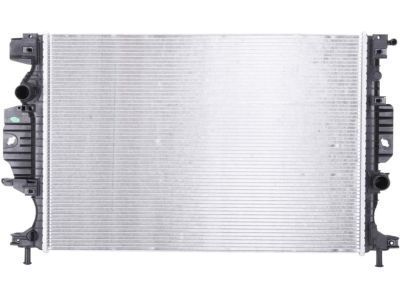
| Page 1 of 2 |Next >
1-20 of 28 Results
Ford Taurus Radiator
The Ford Taurus Radiator plays a significant role of cooling the car by using the coolant from the engine and releasing the heat from this liquid to the air. Presenting a core of fins and tubes with the inlet and outlet tanks, the radiator is installed in front of the vehicle to ensure optimum exposure to air. Most of the radiator models coming with aluminum internal heating systems; however, copper/brass is also an option. The primary mode through which the radiator works is through transferring heat from the core tubes to the fins, through which the heat is expelled out effectively to enhance the system's efficiency. For example, performance radiators as add-ons are made of lightweight aluminum with improved designs to boost the cooling efficiency. Such radiators may have additional or larger tubes than factory radiators; in addition, they possess more fins to boost the heat exchange area. The direct-fit options are designed for installation, although variability with more significant cores is available in case of a heightened need in cooling. All in all, the Ford Taurus Radiator is a crucial component to regulate the temperature inside the car's engine and realize efficient auto operation.
We provide a wide range of Ford Taurus Radiator at the optimal prices. If you need Ford Taurus Radiator, you can shop with confidence on our website. All our OEM parts come with a manufacturer's warranty and are delivered to your doorstep with a fast delivery service.
Ford Taurus Radiator Parts Questions & Experts Answers
- Q:How to remove and install a radiator on Ford Taurus?A:On cars made in 2008 and after, start by unplugging the negative battery cable. Let the cooling system drain, keeping and re-using the coolant if it's less than two years old and in good shape, then detach the hose from the bottom of the radiator. Start by pulling off the fan and shroud around the radiator. Then, disconnect both the top and bottom radiator hoses, and put them out of the way. Removing both the front bumper cover and any front grille shutter parts on the front of the vehicle helps with taking out the radiator. From the bottom of the radiator, pull out the lower hose attached to the coolant tank. Then disconnect the transaxle cooler tube if your vehicle uses one. Remove the bolts from the radiator support bracket and push the radiator towards the front of your car. On certain cars, opening the tabs holding the support brackets lets you move the radiator towards the engine. Open the air dams on both vehicle sides. Then, disconnect the condenser from its mounting brackets and place the condenser aside while you unfasten the radiator. Before putting in the radiator, blow dust off using air compressors and a soft brush while keeping the fins from curling, look for cracks everywhere, and fix any damage you find. Look for breaks in the rubber seals in the lower radiator joints, and clean them thoroughly from dirt and stone particles. Set the radiator in place and put it over the insulators properly. Follow the steps you took when taking it out - reverse the order of your work. Check if the cooling system has the right mix of antifreeze and water, switch on the engine to find leaks, let it run until temperature normalizes, measure and top up the liquid when needed. Also, check and put back any automatic transmission fluid that was lost.
Related Ford Taurus Parts
 Ford Taurus Water Pump
 Ford Taurus Radiator Hose
 Ford Taurus Coolant Reservoir
 Ford Taurus Radiator Cap
 Ford Taurus Cooling Hose
 Ford Taurus Radiator Support
 Ford Taurus Fan Motor
 Ford Taurus Fan Blade
 Ford Taurus Intercooler
 Ford Taurus Fan Shroud
Browse by Year
2019 Radiator 2018 Radiator 2017 Radiator 2016 Radiator 2015 Radiator 2014 Radiator 2013 Radiator 2012 Radiator 2011 Radiator 2010 Radiator 2009 Radiator 2008 Radiator 2007 Radiator 2006 Radiator 2005 Radiator 2004 Radiator 2003 Radiator 2002 Radiator 2001 Radiator 2000 Radiator 1999 Radiator 1998 Radiator 1997 Radiator 1996 Radiator 1995 Radiator 1994 Radiator 1993 Radiator 1992 Radiator 1991 Radiator 1990 Radiator 1989 Radiator 1988 Radiator 1987 Radiator 1986 Radiator