

My Garage
My Account
Cart
Genuine Ford Taurus Flywheel
Clutch Flywheel- Select Vehicle by Model
- Select Vehicle by VIN
Select Vehicle by Model
orMake
Model
Year
Select Vehicle by VIN
For the most accurate results, select vehicle by your VIN (Vehicle Identification Number).
11 Flywheels found
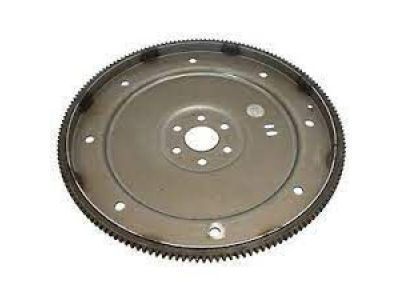
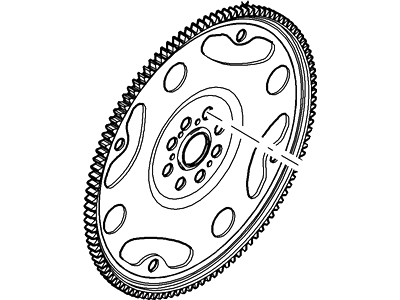
Ford Taurus Flywheel Assembly
Part Number: 7T4Z-6375-AA$50.46 MSRP: $72.50You Save: $22.04 (31%)Ships in 1-2 Business Days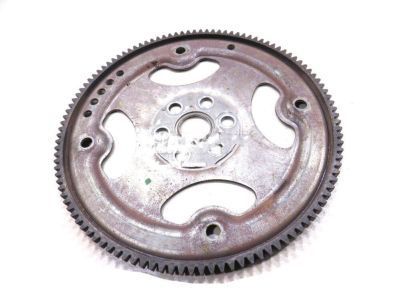
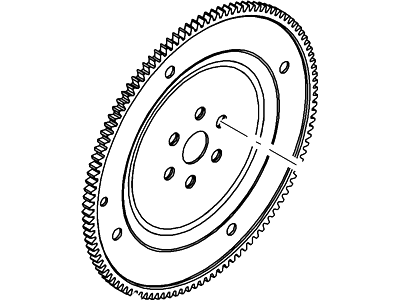
Ford Taurus Flywheel Assembly
Part Number: 1S7Z-6375-B$72.27 MSRP: $109.50You Save: $37.23 (34%)Ships in 1 Business Day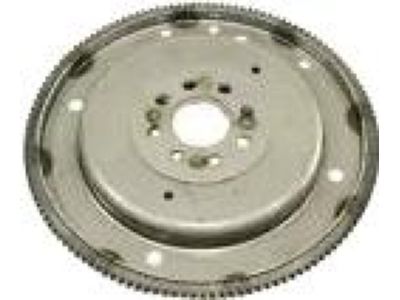
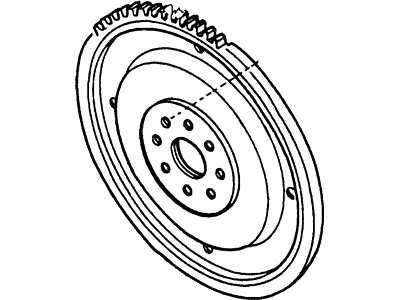
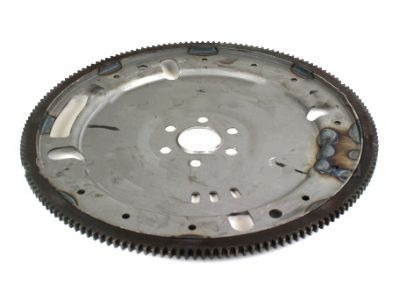
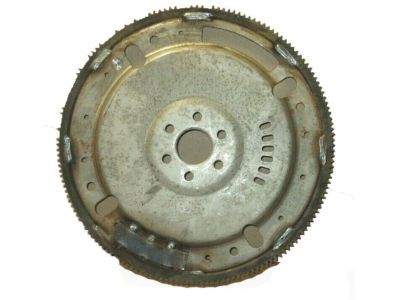
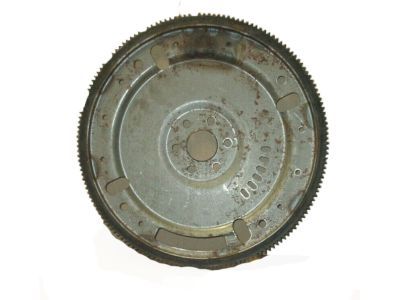
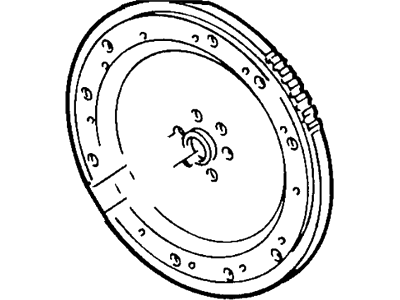
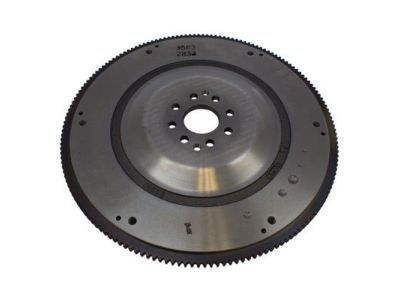
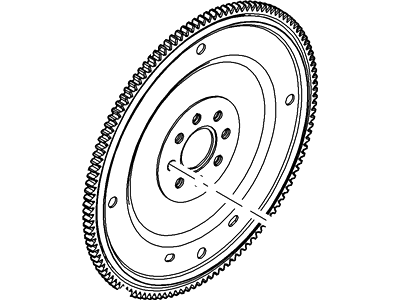
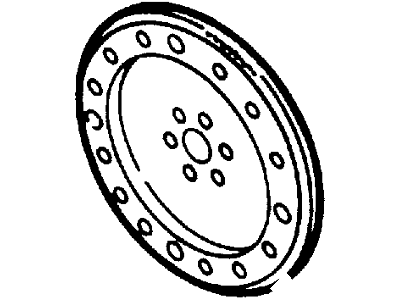
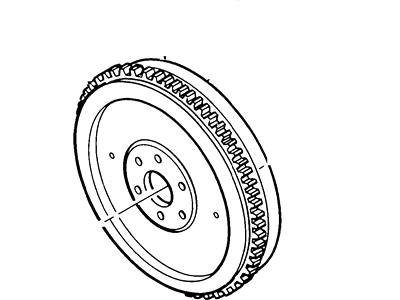
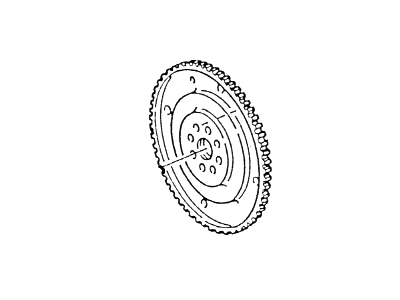
Ford Taurus Flywheel
The Ford Taurus Flywheel smooths engine pulses while allowing easy set-off and clutch engagement. The Flywheel in every generation is bolted to the crankshaft, which helps to store rotational energy as a result of its weight. This evens out combustion surges and feeds a consistent stream of energy to the drivetrain. Its rim has a ring gear that meshes with the starter motor so the crank turns until it fires. Its flat face supplies the friction surface so the clutch disc grips whenever gears change. The first series of Ford Taurus vehicles began with a traditional solid Flywheel, which is a single metal disc that allows limited resurfacing when the wear is minor. Subsequent Taurus generations implemented the Dual Mass Flywheel, which consists of spring-damped primary and secondary plates that absorb vibrations and provide smoother shifting. However, the design cannot be machined and must be replaced if either of the internal springs breaks or if the runout exceeds limits. The original Ford units generally last until they score, develop heat cracks, or suffer a damaged ring gear. Many Ford drivers opt for a new component once they cross their service thresholds. A new Flywheel can quickly restore the balance. This way, Taurus owners get consistent performance.
We provide a wide range of Ford Taurus Flywheel at the optimal prices. If you need Ford Taurus Flywheel, you can shop with confidence on our website. All our OEM parts come with a manufacturer's warranty and are delivered to your doorstep with a fast delivery service.
Ford Taurus Flywheel Parts Questions & Experts Answers
- Q:How to remove and install a flywheel in a four cylinder engine on Ford Taurus?A:Remove the transaxle and take the opportunity to check components such as oil seals, replacing them if necessary. Use a center-punch or paint to make alignment marks on the driveplate and crankshaft to facilitate replacement, as the bolt holes are slightly offset and will only line up one way; marking them eliminates guesswork. Hold the driveplate stationary while unscrewing the bolts; to prevent it from turning, insert one of the transaxle mounting bolts into the cylinder block and have an assistant engage a wide-bladed screwdriver with the starter ring gear teeth while loosening the driveplate bolts. Loosen and remove each bolt in turn, ensuring new replacements are obtained for reassembly, as these bolts are subjected to severe stresses and must be replaced whenever removed, regardless of their apparent condition. Carefully remove the driveplate without dropping it. Clean the driveplate to remove grease and oil, and check for cracked and broken ring gear teeth. Clean and inspect the mating surfaces of the flywheel and crankshaft, replacing the oil seal if it is leaking; if the engine has high mileage, consider installing a new seal as a precaution due to the effort required to access it. During installation, ensure the engine/transaxle adapter plate is in place if necessary, then install the driveplate on the crankshaft, aligning all bolt holes according to the marks made during removal. Install the new bolts and tighten them by hand, then lock the driveplate using the method from disassembly. Finally, working in two or three stages, tighten the new bolts to the specified torque, completing the installation in reverse order of removal.
Related Ford Taurus Parts

Browse by Year
2019 Flywheel 2018 Flywheel 2017 Flywheel 2016 Flywheel 2015 Flywheel 2014 Flywheel 2013 Flywheel 2012 Flywheel 2011 Flywheel 2010 Flywheel 2009 Flywheel 2008 Flywheel 2007 Flywheel 2006 Flywheel 2005 Flywheel 2004 Flywheel 2003 Flywheel 2002 Flywheel 2001 Flywheel 2000 Flywheel 1999 Flywheel 1998 Flywheel 1997 Flywheel 1996 Flywheel 1995 Flywheel 1994 Flywheel 1993 Flywheel 1992 Flywheel 1991 Flywheel 1989 Flywheel 1988 Flywheel 1987 Flywheel 1986 Flywheel