

My Garage
My Account
Cart
Genuine Ford Ranger Camshaft Bearing
- Select Vehicle by Model
- Select Vehicle by VIN
Select Vehicle by Model
orMake
Model
Year
Select Vehicle by VIN
For the most accurate results, select vehicle by your VIN (Vehicle Identification Number).
23 Camshaft Bearings found

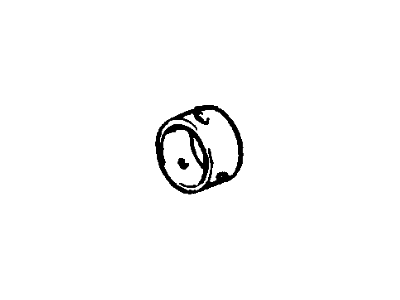
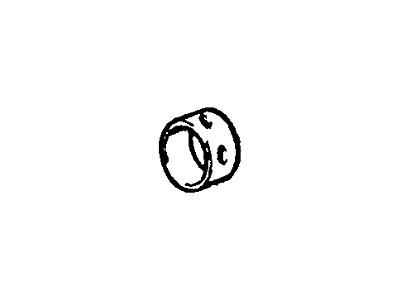
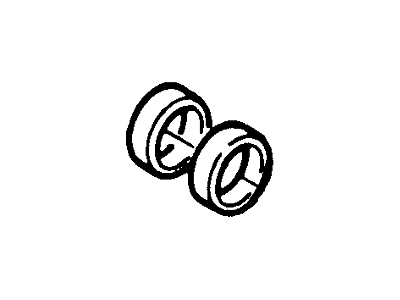
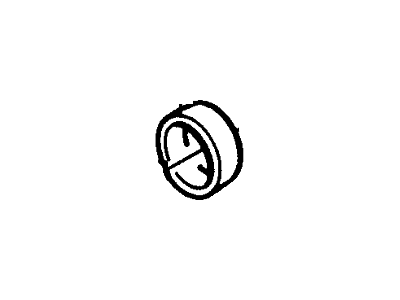
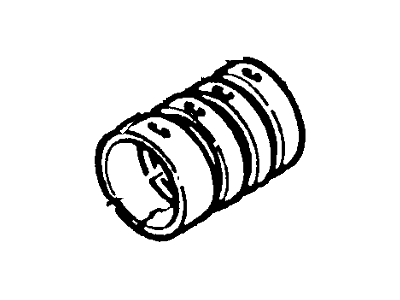
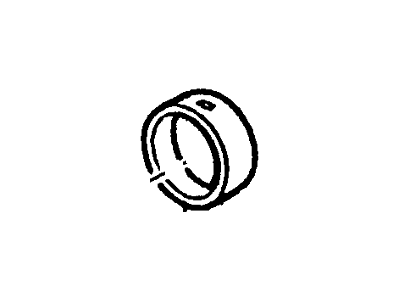
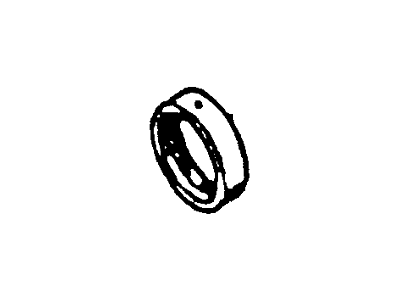
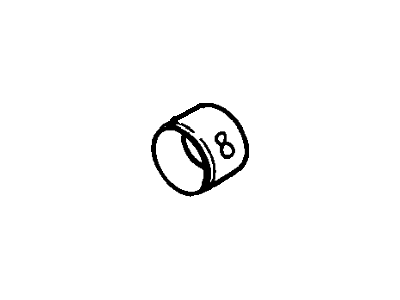
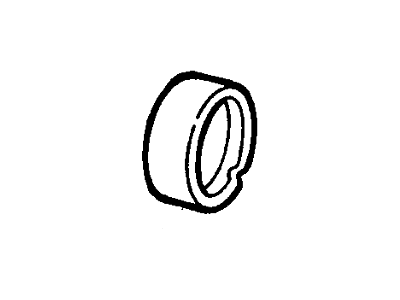
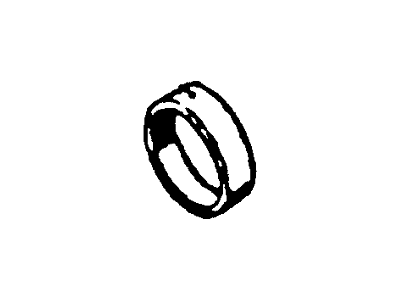
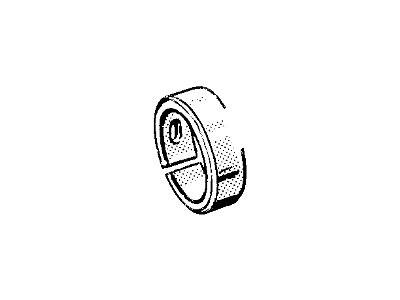
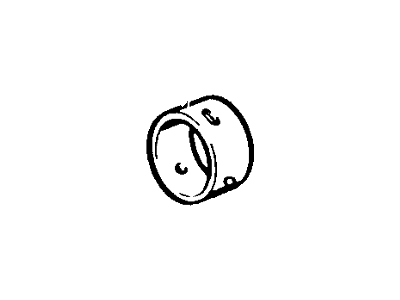
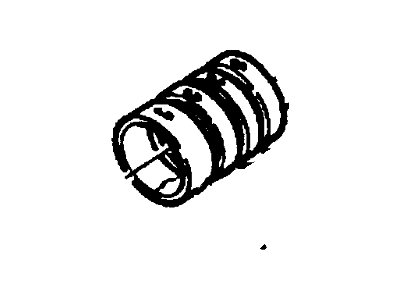
| Page 1 of 2 |Next >
1-20 of 23 Results
Ford Ranger Camshaft Bearing
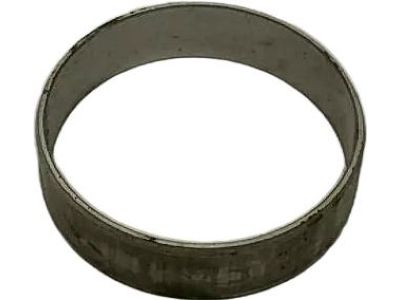
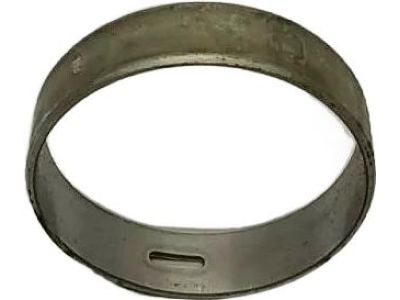
The movement of a valve timing shaft is aided by a Ford Ranger Camshaft Bearing, which progressively suspends it on an oil film in machined block bores. The component operates as a plain bearing instead of a ball or roller. By pressing it into the cam housing and aligning its oil hole with passages, the pump is enabled to feed lubricant that stops contact. Throughout Ranger's history, two main construction families have emerged. The bi-metal model depends on a rigid steel case with an aluminum-alloy lining bonded to it. The steel case may use silicone for extra hardness and seizure resistance. The tri-metal option employs an intermediate layer of copper with a lead-tin-copper overlay to give strength for Ford work and the ability to embed debris that might otherwise score the cam journal. Each Camshaft Bearing must be installed with proper crush, and a worn Camshaft Bearing can be replaced with either undersize or standard shells once clearances are measured. A tri-metal Camshaft Bearing particularly suits demanding service. All of these choices ensure that Ford reliability remains strong in every Ranger. Also, each Camshaft Bearing type is balanced for durability and cost against different Ford Ranger needs.
We provide a wide range of Ford Ranger Camshaft Bearing at the optimal prices. If you need Ford Ranger Camshaft Bearing, you can shop with confidence on our website. All our OEM parts come with a manufacturer's warranty and are delivered to your doorstep with a fast delivery service.
Ford Ranger Camshaft Bearing Parts Questions & Experts Answers
- Q:How to inspect and replace camshaft and Camshaft Bearing on Ford Ranger?A:To inspect the camshaft, measure the major and minor diameters of each cam lobe using a micrometer or vernier caliper, then subtract the minor diameter from the major diameter to determine lobe lift; if the lift is 0.005-inch less than specified, replace the camshaft and all lifters or followers. After removing the camshaft from the engine, clean it with solvent and dry it, then inspect the bearing journals for uneven wear, pitting, and signs of seizure; if damaged, both the camshaft and bearings need replacement. Measure the camshaft bearing journals with a micrometer to check for excessive wear or out-of-round conditions; if they exceed 0.001-inch out-of-round, replace the camshaft. Check the camshaft lobes for heat discoloration, score marks, chipped areas, pitting, and uneven wear; if the lobes are in good condition and the lobe lift measurements are as specified, the camshaft can be reused. For lifter inspection, clean the lifters with solvent and dry them thoroughly, ensuring the roller on each lifter turns freely without signs of wear, and check the pushrod seat for wear; if the lifters show signs of wear or binding, replace them as a complete set along with the camshaft. When installing new lifters, a new camshaft must also be installed, and used lifters should only be installed with the original camshaft in their original locations. Camshaft bearing replacement requires special tools and expertise, so it is advisable to take the block or head to an automotive machine shop for proper handling.
Related Ford Ranger Parts
 Ford Ranger Catalytic Converter
 Ford Ranger Coolant Temperature Sensor
 Ford Ranger Camshaft
 Ford Ranger Canister Purge Valve
 Ford Ranger Clutch Disc
 Ford Ranger Camshaft Position Sensor
 Ford Ranger Cam Gear
 Ford Ranger Camshaft Seal
 Ford Ranger Control Arm Bracket
 Ford Ranger Cooling Fan Assembly
 Ford Ranger Carburetor Gasket Kit
Browse by Year
2008 Camshaft Bearing 2007 Camshaft Bearing 2006 Camshaft Bearing 2005 Camshaft Bearing 2004 Camshaft Bearing 2003 Camshaft Bearing 2002 Camshaft Bearing 2001 Camshaft Bearing 2000 Camshaft Bearing 1999 Camshaft Bearing 1998 Camshaft Bearing 1997 Camshaft Bearing 1996 Camshaft Bearing 1995 Camshaft Bearing 1994 Camshaft Bearing 1993 Camshaft Bearing 1992 Camshaft Bearing 1991 Camshaft Bearing 1990 Camshaft Bearing 1989 Camshaft Bearing 1988 Camshaft Bearing 1987 Camshaft Bearing 1986 Camshaft Bearing 1985 Camshaft Bearing 1984 Camshaft Bearing 1983 Camshaft Bearing