

My Garage
My Account
Cart
Genuine Ford Mustang Drive Shaft
Axle Shaft- Select Vehicle by Model
- Select Vehicle by VIN
Select Vehicle by Model
orMake
Model
Year
Select Vehicle by VIN
For the most accurate results, select vehicle by your VIN (Vehicle Identification Number).
68 Drive Shafts found
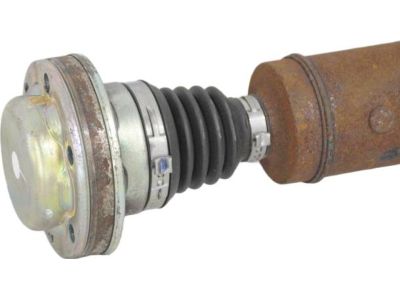
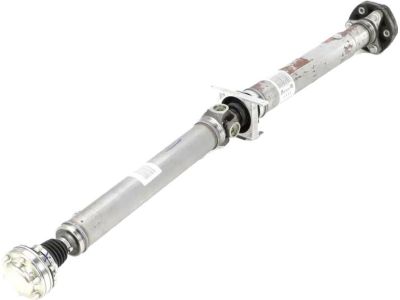
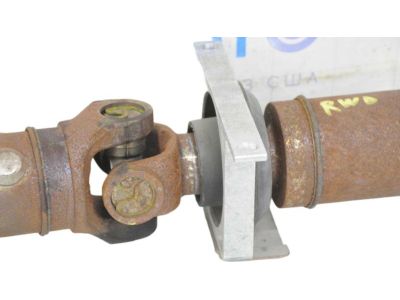
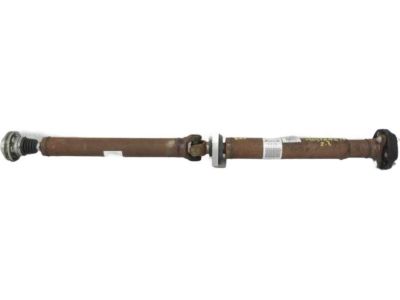
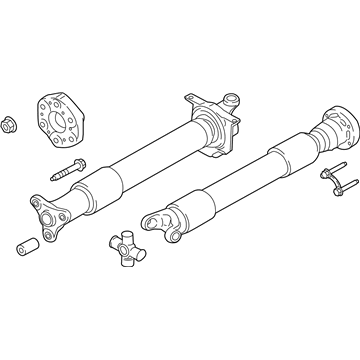
Ford Mustang Drive Shaft Assembly
Part Number: JR3Z-4R602-A$697.15 MSRP: $968.00You Save: $270.85 (28%)Ships in 1-3 Business Days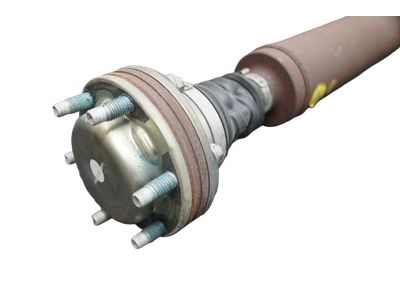
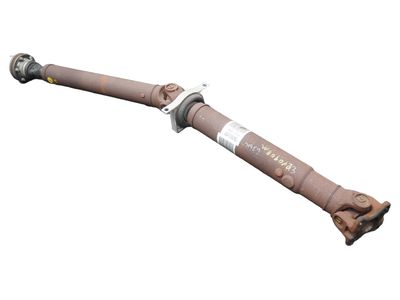
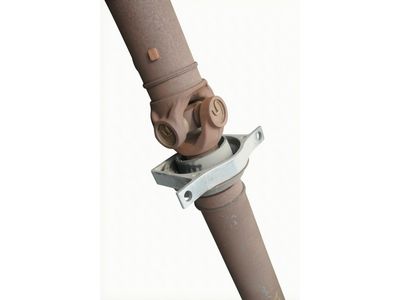
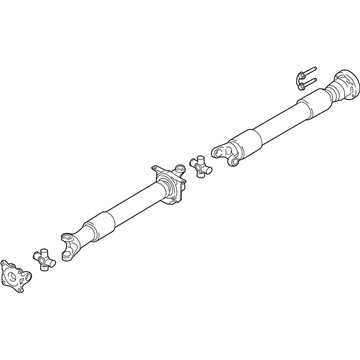
Ford Mustang Drive Shaft Assembly
Part Number: FR3Z-4R602-AA$722.75 MSRP: $1003.54You Save: $280.79 (28%)Ships in 1-3 Business Days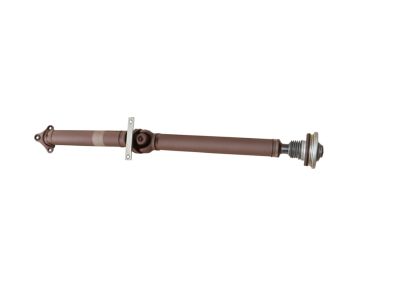
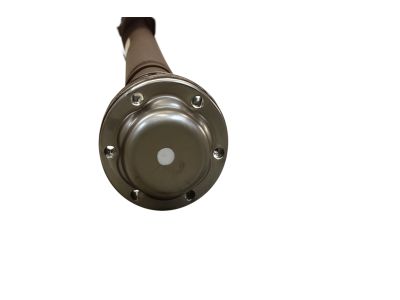
Ford Mustang Drive Shaft Assembly
Part Number: FR3Z-4R602-S$842.19 MSRP: $1169.38You Save: $327.19 (28%)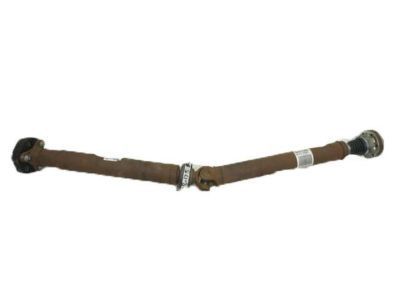
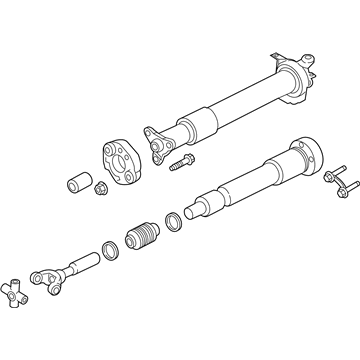
Ford Mustang Drive Shaft Assembly
Part Number: FR3Z-4R602-L$837.32 MSRP: $1162.62You Save: $325.30 (28%)
Ford Mustang Drive Shaft Assembly
Part Number: JR3Z-4R602-S$764.42 MSRP: $1125.38You Save: $360.96 (33%)Ships in 1-3 Business Days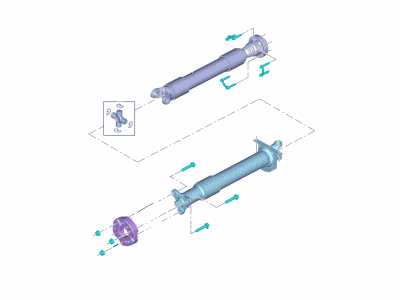
Ford Mustang Drive Shaft Assembly
Part Number: JR3Z-4R602-B$764.42 MSRP: $1125.38You Save: $360.96 (33%)Ships in 1-3 Business Days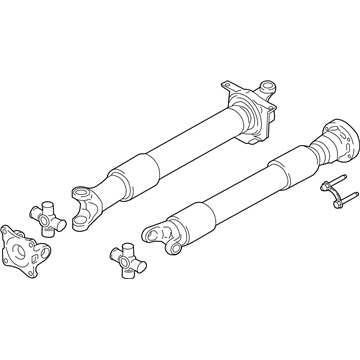
Ford Mustang Drive Shaft Assembly
Part Number: FR3Z-4R602-P$830.00 MSRP: $1152.46You Save: $322.46 (28%)Ford Mustang Drive Shaft Assembly
Part Number: JR3Z-4R602-K$764.42 MSRP: $1125.38You Save: $360.96 (33%)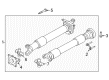
Ford Mustang Drive Shaft Assembly
Part Number: JR3Z-4R602-R$734.60 MSRP: $1020.00You Save: $285.40 (28%)Ships in 1-3 Business DaysFord Mustang Drive Shaft Assembly
Part Number: JR3Z-4R602-X$697.15 MSRP: $968.00You Save: $270.85 (28%)Ships in 1-3 Business Days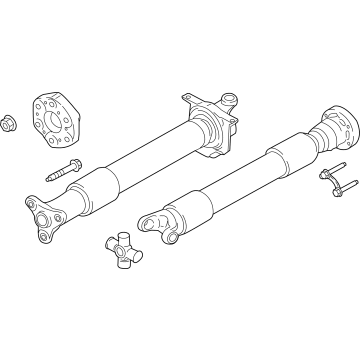
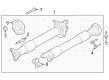
Ford Mustang Drive Shaft Assembly
Part Number: PR3Z-4R602-A$808.06 MSRP: $1122.00You Save: $313.94 (28%)Ships in 1-2 Business DaysFord Mustang Drive Shaft Assembly
Part Number: FR3Z-4R602-N$864.13 MSRP: $1199.85You Save: $335.72 (28%)Ships in 1-3 Business Days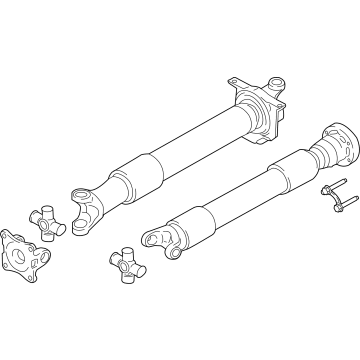
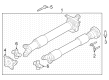
Ford Mustang Drive Shaft Assembly
Part Number: PR3Z-4R602-G$823.91 MSRP: $1144.00You Save: $320.09 (28%)Ships in 1-2 Business Days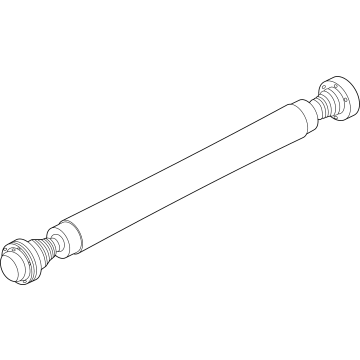
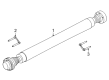
Ford Mustang Drive Shaft Assembly
Part Number: KR3Z-4602-A$1147.89 MSRP: $1593.85You Save: $445.96 (28%)Ships in 1-3 Business Days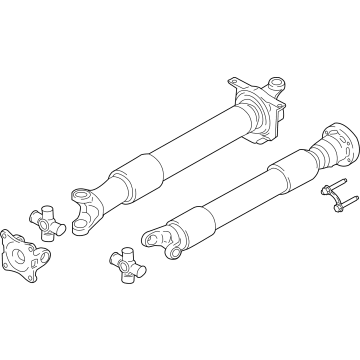
Ford Mustang Drive Shaft Assembly
Part Number: PR3Z-4R602-C$817.81 MSRP: $1135.54You Save: $317.73 (28%)Ships in 1-2 Business Days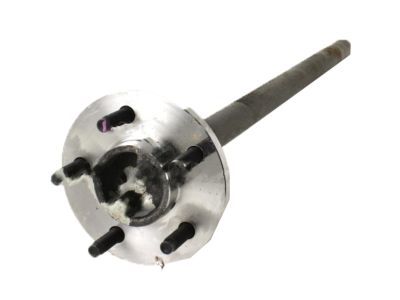
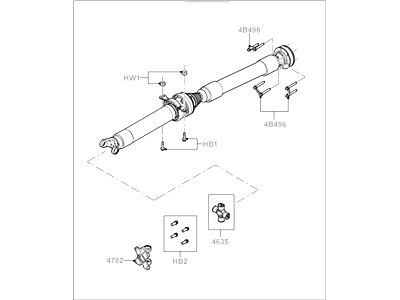
Ford Mustang Drive Shaft Assembly
Part Number: BR3Z-4R602-D$459.38 MSRP: $633.85You Save: $174.47 (28%)
Ford Mustang Drive Shaft Assembly
Part Number: BR3Z-4R602-C$794.44 MSRP: $1103.08You Save: $308.64 (28%)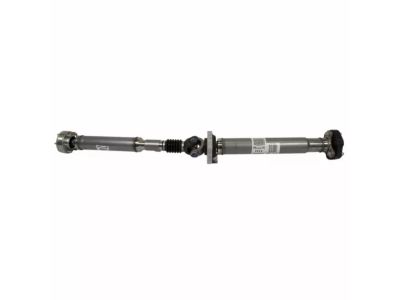
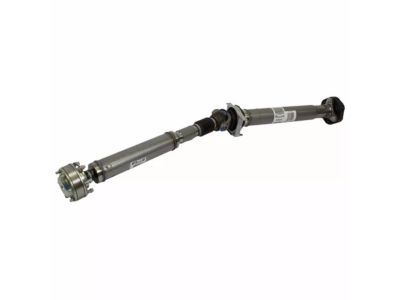
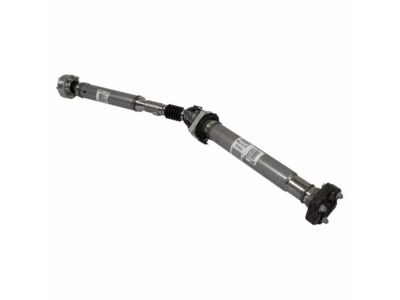
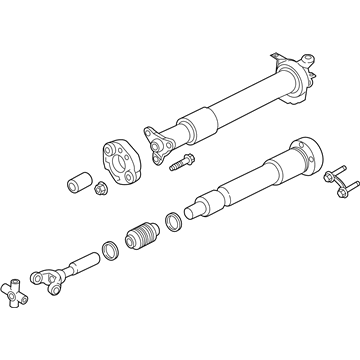
Ford Mustang Drive Shaft Assembly
Part Number: FR3Z-4R602-T$830.00 MSRP: $1152.46You Save: $322.46 (28%)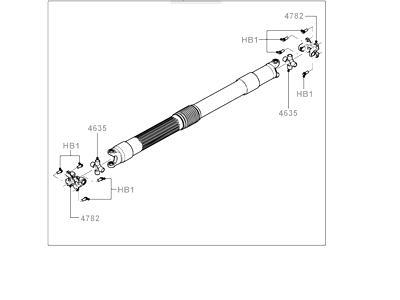
Ford Mustang Drive Shaft Assembly
Part Number: BR3Z-4602-C$479.45 MSRP: $661.54You Save: $182.09 (28%)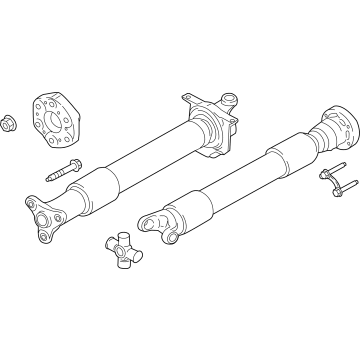
Ford Mustang Drive Shaft Assembly
Part Number: PR3Z-4R602-E$825.46 MSRP: $1146.15You Save: $320.69 (28%)
| Page 1 of 4 |Next >
1-20 of 68 Results
Ford Mustang Drive Shaft
The Drive Shaft in Ford Mustang automobiles plays the crucial role of transferring mechanical power and torque from the car's engine or transmission to the drive wheels thereby facilitating proper working of a car. This component must bear torsion and shear stresses and, at the same time, be as light as possible to minimise inertia. SUS Drive Shafts issues call for splined or universal joints to enable adjustment, especially where differential in alignment between the engine and the rear axle is expected in Ford Mustang. For many years, Ford Mustang models have used various types of Drive Shafts which include one piece and two piece Drive Shafts. Decisions of Drive Shaft type can have an impact on driving characteristics and safety, while the two-piece Drive Shafts can add crash safety. In some designs, like in all-wheel drive systems more than one Drive Shaft might be utilized in order to divide the torque properly between the front and rear axles.
We provide a wide range of Ford Mustang Drive Shaft at the optimal prices. If you need Ford Mustang Drive Shaft, you can shop with confidence on our website. All our OEM parts come with a manufacturer's warranty and are delivered to your doorstep with a fast delivery service.
Ford Mustang Drive Shaft Parts Questions & Experts Answers
- Q:How to inspect the drive shaft on a Ford Mustang?A:Raise the rear of the vehicle and support it securely on jackstands. Crawl under the vehicle to visually inspect the driveshaft for any dents or cracks in the tubing; if any are found, the driveshaft must be replaced. Check for oil leakage at the front and rear of the driveshaft, as leakage where it enters the transmission indicates a defective rear seal, while leakage at the differential suggests a defective pinion seal. With an assistant turning the rear wheel to rotate the driveshaft, ensure the Universal Joints operate properly without binding, noise, or looseness. The universal joints can also be assessed with the driveshaft motionless by gripping either side of the joint and attempting to twist it; any movement indicates considerable wear. Additionally, lifting up on the shaft will reveal movement in the universal joints. Finally, check the driveshaft mounting bolts at the ends to ensure they are tight.
Related Ford Mustang Parts

Browse by Year
2025 Drive Shaft 2024 Drive Shaft 2023 Drive Shaft 2022 Drive Shaft 2021 Drive Shaft 2020 Drive Shaft 2019 Drive Shaft 2018 Drive Shaft 2017 Drive Shaft 2016 Drive Shaft 2015 Drive Shaft 2014 Drive Shaft 2013 Drive Shaft 2012 Drive Shaft 2011 Drive Shaft 2010 Drive Shaft 2009 Drive Shaft 2008 Drive Shaft 2007 Drive Shaft 2006 Drive Shaft 2005 Drive Shaft 2004 Drive Shaft 2003 Drive Shaft 2002 Drive Shaft 2001 Drive Shaft 2000 Drive Shaft 1999 Drive Shaft 1998 Drive Shaft 1997 Drive Shaft 1996 Drive Shaft