

My Garage
My Account
Cart
Genuine Ford Mustang Car Batteries
Auto Battery- Select Vehicle by Model
- Select Vehicle by VIN
Select Vehicle by Model
orMake
Model
Year
Select Vehicle by VIN
For the most accurate results, select vehicle by your VIN (Vehicle Identification Number).
7 Car Batteries found
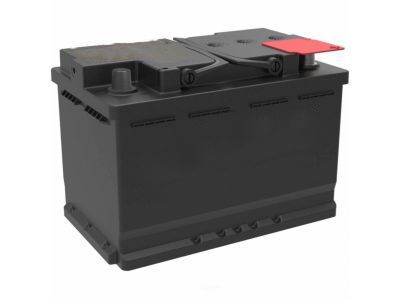
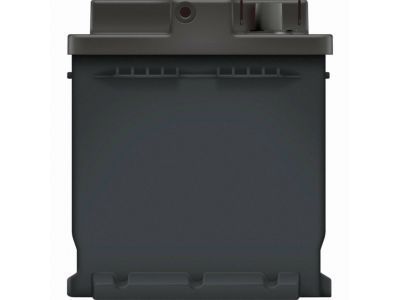
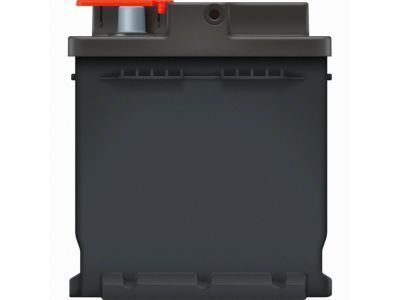
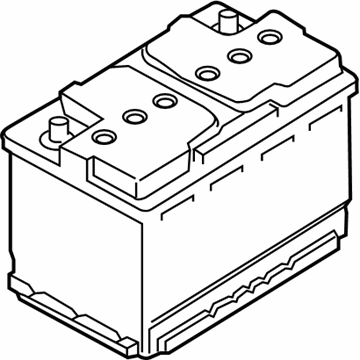
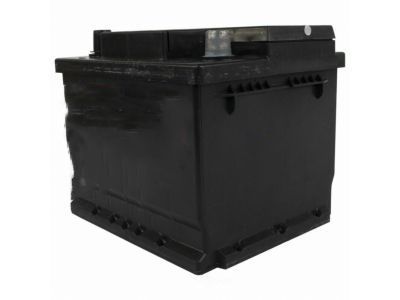
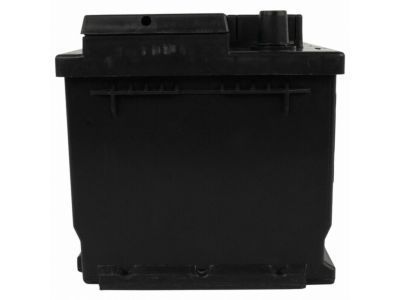
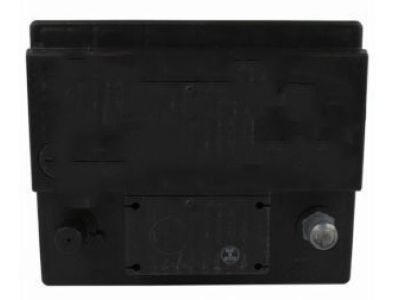
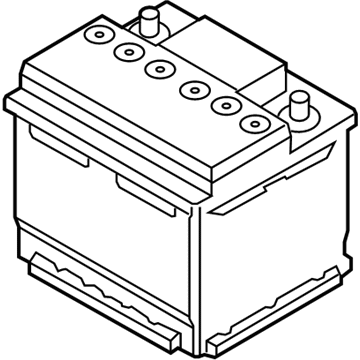
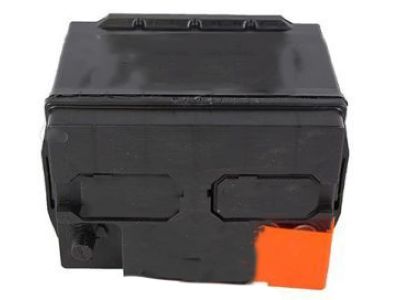
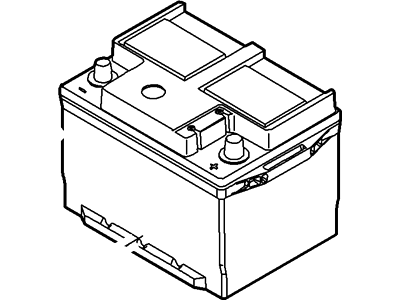
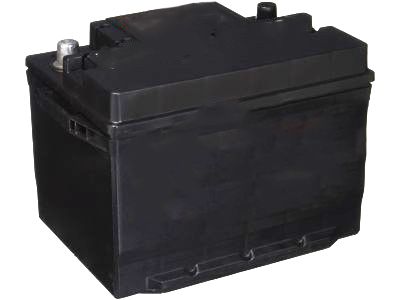
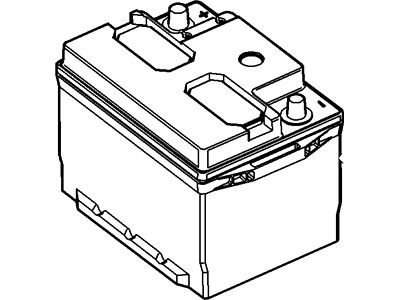
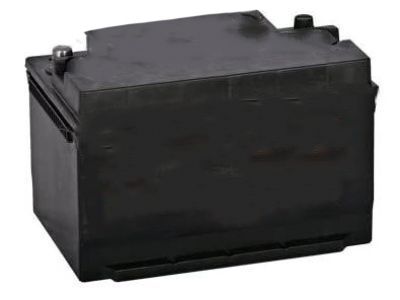
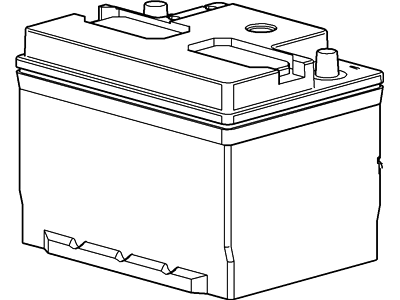
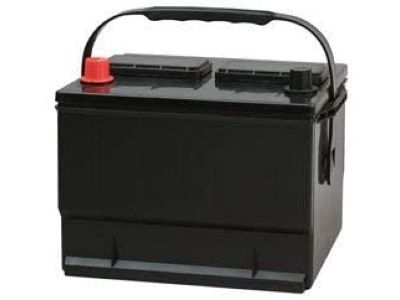
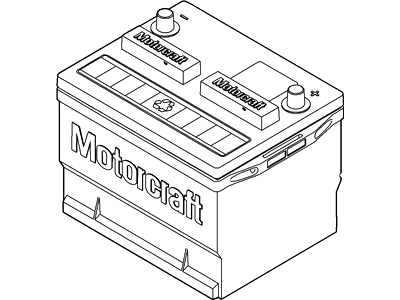
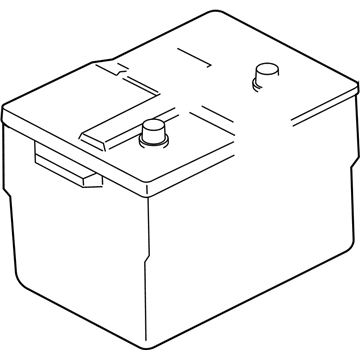
Ford Mustang Car Batteries
The Car Batteries in Ford Mustang vehicles is an electro chemical device whose main function is to start the engine and to supply power to other electrical parts within the car when the engine is not running. It regulates the voltage and supplies more current where electrical needs are more than the charging system can offer. Through the years, Mustangs have been served by a number of Car Batteries types like Conventional Flooded Lead-Acid (FLA), FLA Maintenance-Free and Absorbed Glass Mat (AGM). FLA batteries are needed to be maintained more often whereas FLA Maintenance-Free batteries have fewer service requirements and if damaged can self-discharge. However, AGM batteries' benefits include; no need for maintenance, shock proof and high starting power making them suitable for performance. The size, configuration, and the ratings such as CCA (Cold Cranking Amps) and Reserve Capacity are crucial for an ideal performance of the battery regardless of the climate.
We provide a wide range of Ford Mustang Car Batteries at the optimal prices. If you need Ford Mustang Car Batteries, you can shop with confidence on our website. All our OEM parts come with a manufacturer's warranty and are delivered to your doorstep with a fast delivery service.
Ford Mustang Car Batteries Parts Questions & Experts Answers
- Q:How can Car Batteries be accurately tested and replaced on Ford Mustang?A:A battery cannot be accurately tested until it is at or near a fully charged state. Disconnect the negative Battery Cable and perform the following tests: visually inspect the indicator eye on the battery; if dark, charge the battery. For batteries with removable caps, check the electrolyte level, ensuring it is above the plates, and add distilled water if low, avoiding overfilling. Test the specific gravity of the electrolyte with a hydrometer, aiming for approximately 1.270 at 68-degrees F. For the open circuit voltage test, connect a digital voltmeter to the battery terminals; a fully charged battery should read about 12.5 volts. An accurate battery load test requires a load tester, which evaluates the battery's ability to handle heavy amperage draw; maintain the load for 15 seconds, ensuring the voltage does not drop below 9.6 volts. For the battery drain test, ensure all accessories are off, then connect a digital ammeter to check for a drain; a normal drain is around 100 milliamps, while excessive drain indicates a problem. When replacing the battery, always disconnect the ground cable first, then the positive cable, and isolate the cable ends. Remove the battery heat shield and hold-down clamp, then lift out the battery carefully. Inspect the battery tray for corrosion and clean it if necessary. If replacing the battery, ensure the new one matches the original specifications. Installation follows the reverse order of removal, and after connecting the cables, apply a light coating of petroleum jelly or grease to prevent corrosion.
Related Ford Mustang Parts

Browse by Year
2025 Car Batteries 2024 Car Batteries 2023 Car Batteries 2022 Car Batteries 2021 Car Batteries 2020 Car Batteries 2019 Car Batteries 2018 Car Batteries 2017 Car Batteries 2016 Car Batteries 2015 Car Batteries 2014 Car Batteries 2013 Car Batteries 2012 Car Batteries 2011 Car Batteries 2010 Car Batteries 2009 Car Batteries 2008 Car Batteries 2007 Car Batteries 2006 Car Batteries 2005 Car Batteries 2004 Car Batteries 2003 Car Batteries 2002 Car Batteries 2001 Car Batteries 2000 Car Batteries 1999 Car Batteries 1998 Car Batteries 1997 Car Batteries 1996 Car Batteries 1995 Car Batteries 1994 Car Batteries 1993 Car Batteries 1992 Car Batteries 1991 Car Batteries 1990 Car Batteries