

My Garage
My Account
Cart
Genuine Ford Focus Intake Valve
Engine Intake Valve- Select Vehicle by Model
- Select Vehicle by VIN
Select Vehicle by Model
orMake
Model
Year
Select Vehicle by VIN
For the most accurate results, select vehicle by your VIN (Vehicle Identification Number).
8 Intake Valves found
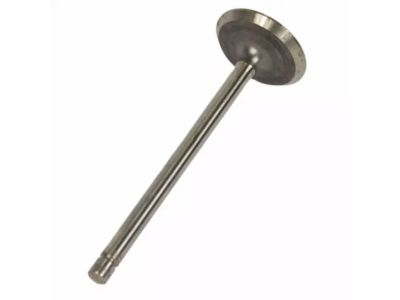

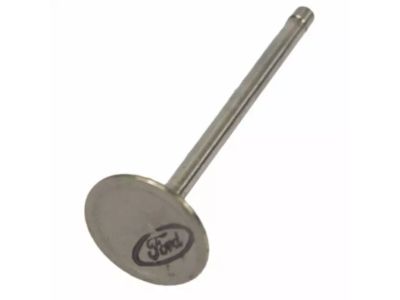
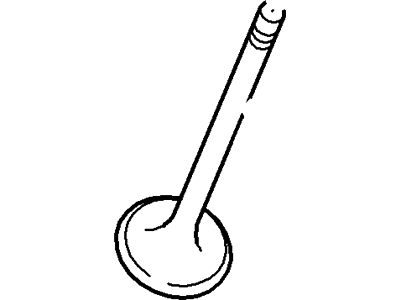
Ford Focus Inlet Valve
Part Number: F8RZ-6507-BA$13.73 MSRP: $18.75You Save: $5.02 (27%)Ships in 1-3 Business Days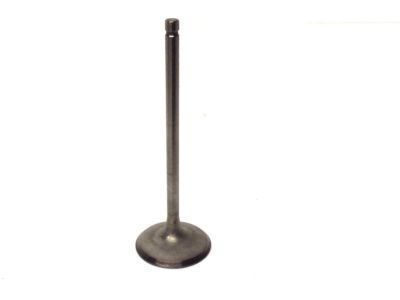
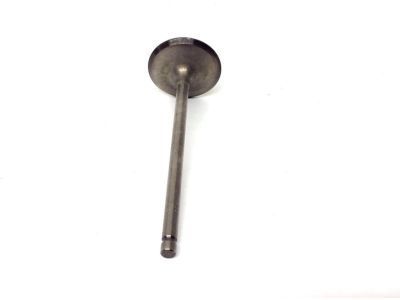
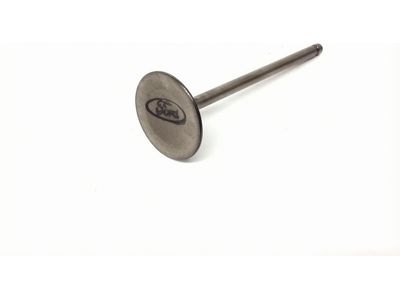
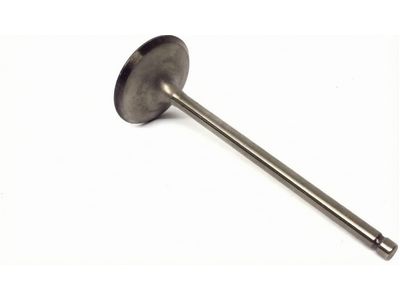
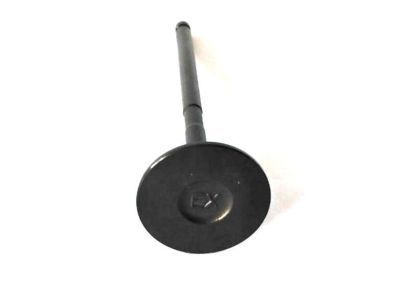
Ford Focus Inlet Valve
Part Number: 1S7Z-6507-AA$13.34 MSRP: $19.50You Save: $6.16 (32%)Ships in 1-3 Business Days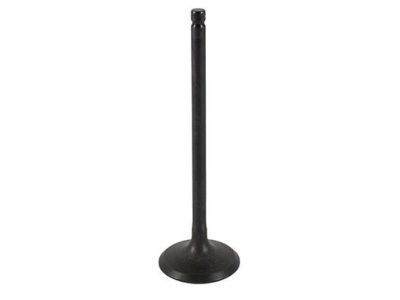
Ford Focus Inlet Valve
Part Number: 1S7Z-6507-B$15.16 MSRP: $22.17You Save: $7.01 (32%)Ships in 1-3 Business Days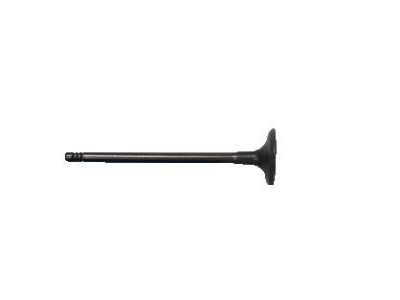
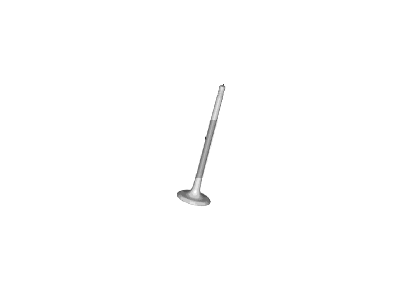
Ford Focus Inlet Valve
Part Number: CM5Z-6507-A$62.47 MSRP: $91.33You Save: $28.86 (32%)Ships in 1-3 Business Days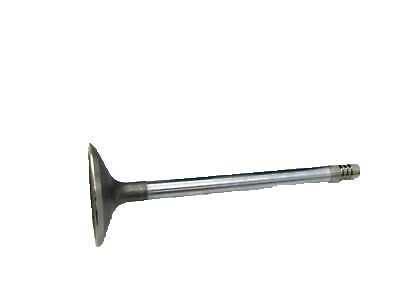
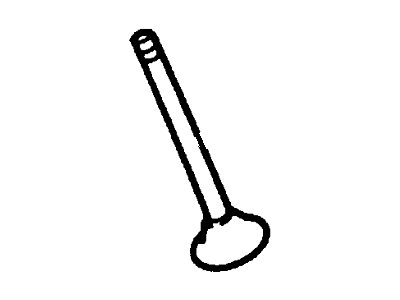
Ford Focus Inlet Valve
Part Number: F7CZ-6507-CB$6.00 MSRP: $8.34You Save: $2.34 (29%)Ships in 1-2 Business Days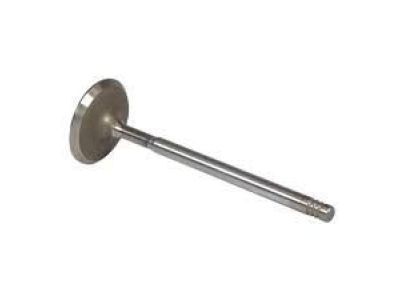
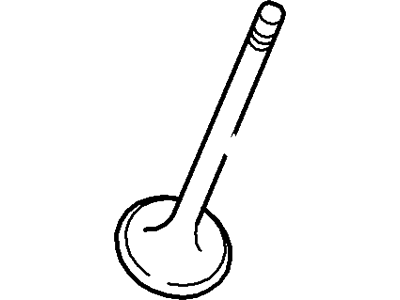
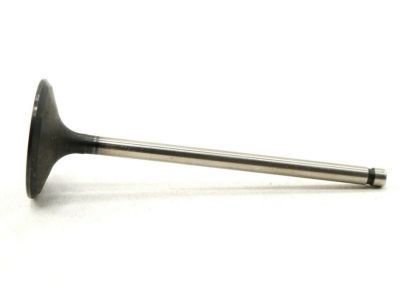
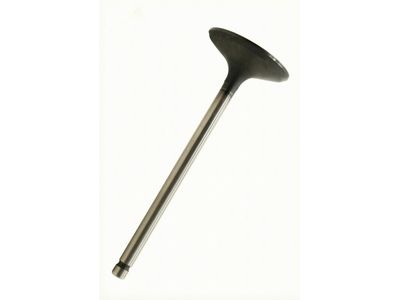
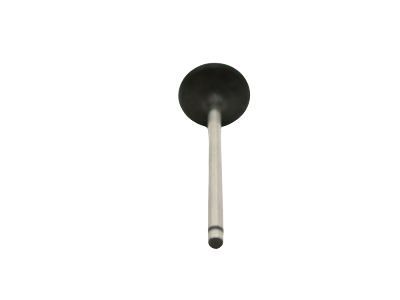
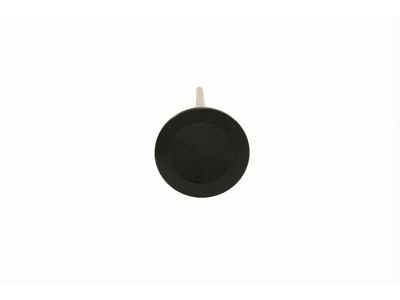
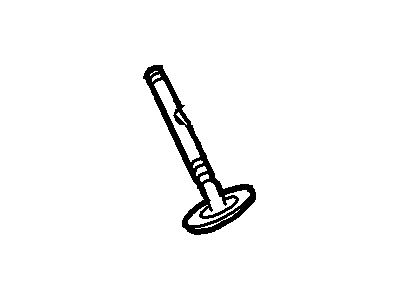
Ford Focus Intake Valve
The Intake Valve in Ford Focus cars is of great importance in increasing performance and efficiency of combustion through the mixture of air and fuel. These valves have to open and close at appropriate intervals to permit sufficient combustion and adequate levels of engine power, otherwise, the result will be inadequate combustion and significantly reduced engine performance. Depending on the year of manufacture of Ford Focus cars, there have been different types of Intake Valves used due to the each models requirements for certain performances. There would also be high expenses on repairs or even total loss of the Intake Valve which should be rectified by a replacement when damaged. The replacement process includes some tools and adapted measures in order to install the Intake Valve correctly and without any problem that could diminish the power or efficiency of the car.
We provide a wide range of Ford Focus Intake Valve at the optimal prices. If you need Ford Focus Intake Valve, you can shop with confidence on our website. All our OEM parts come with a manufacturer's warranty and are delivered to your doorstep with a fast delivery service.
Ford Focus Intake Valve Parts Questions & Experts Answers
- Q:How to check and adjust the Exhaust Valve and Intake Valve clearances in the 2.3L and 2.0L engine on Ford Focus?A:The engine must only be turned using the normal rotation with an anticlockwise motion begun with the right-hand side of the automobile. Start with the removal of the camshaft cover; then set the engine for TDC on cylinder No 1 which means the inlet and exhaust cam lobes of No 1 cylinder will point upwards so as to enable the checking of the valve clearance. Using feeler blades, gauge the valve lash for the base of the cam lobe to the bucket tappet and document the thickness needed for firm sliding-interference on all of the valves of No 1 cylinder Intake and exhaust clearances differ. Then rotate the crankshaft through 180 degrees clockwise and check and record the four valve clearances for No 3, No 4 and, if necessary, No 2 cylinder. If adjustments are required, the bucket lappets may be altered with the camshafts removed. For small clearances fitting is done using a thin bucket tappet while for large clearances a thick one is fitted using the engraved number on the tappet or a micrometer if the number has worn out. Determine the thickness of the new bucket tappet with the help of the desired and actual clearances, the obtained tappet thickness. The correct thickness should then be obtained and new bucket tappets placed in the cylinder head with replacement of the camshafts. Check that the above clearance has taken its right position, if any of the valve clearances is still out, perform the above steps all over again. A record of the thickness of buckets fitted at each position will help in future modifications, by knowing the clearances and the existing thickness of the bucket that is required, the needed thickness of the bucket can be bought in advance. Last, change the camshaft cover upon confirmation with all its clearances.
Related Ford Focus Parts
 Ford Focus Timing Cover
 Ford Focus Camshaft
 Ford Focus Spool Valve
 Ford Focus Exhaust Valve
 Ford Focus Cylinder Head Gasket
 Ford Focus Cylinder Head
 Ford Focus Cylinder Head Bolts
 Ford Focus Rocker Arm
Browse by Year
2018 Intake Valve 2017 Intake Valve 2016 Intake Valve 2015 Intake Valve 2014 Intake Valve 2013 Intake Valve 2012 Intake Valve 2011 Intake Valve 2010 Intake Valve 2009 Intake Valve 2008 Intake Valve 2007 Intake Valve 2006 Intake Valve 2005 Intake Valve 2004 Intake Valve 2003 Intake Valve 2002 Intake Valve 2001 Intake Valve 2000 Intake Valve