My Garage
My Account
Cart
Genuine Ford Focus Flywheel
Clutch Flywheel- Select Vehicle by Model
- Select Vehicle by VIN
Select Vehicle by Model
orMake
Model
Year
Select Vehicle by VIN
For the most accurate results, select vehicle by your VIN (Vehicle Identification Number).
16 Flywheels found
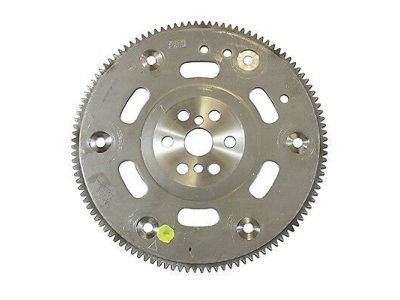
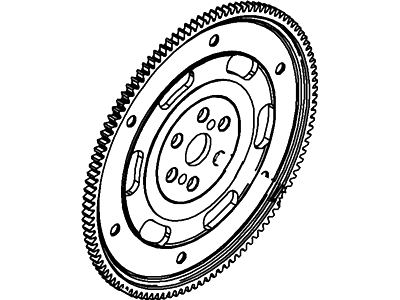
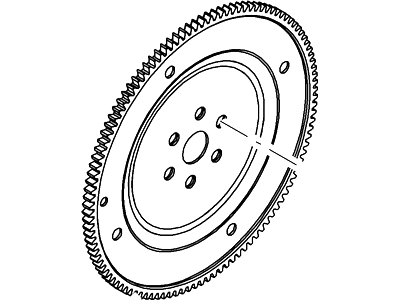
Ford Focus Drive Plate
Part Number: CV6Z-6375-B$54.32 MSRP: $127.50You Save: $73.18 (58%)Ships in 1-3 Business Days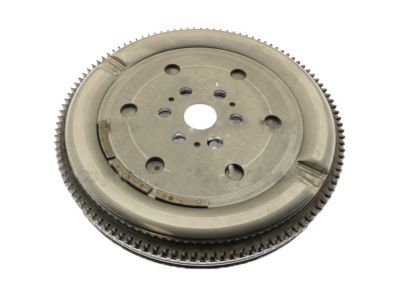
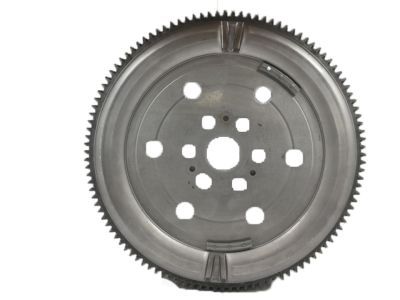
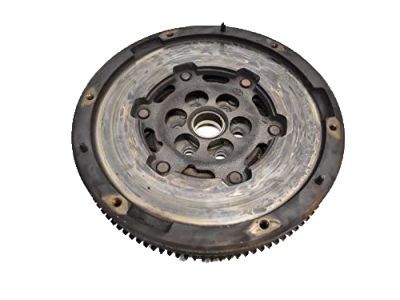
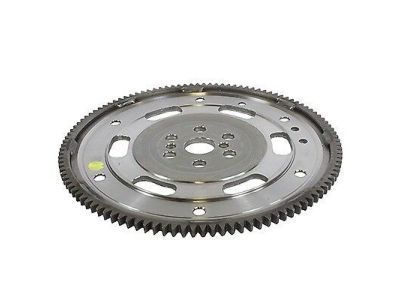
Ford Focus Flywheel
Part Number: CV6Z-6477-A$265.08 MSRP: $391.67You Save: $126.59 (33%)Ships in 1-3 Business Days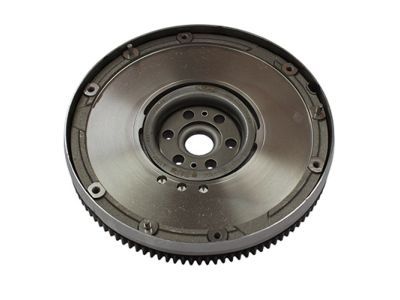
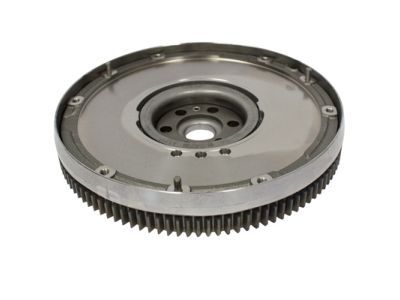
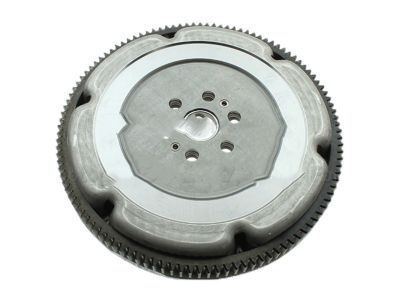
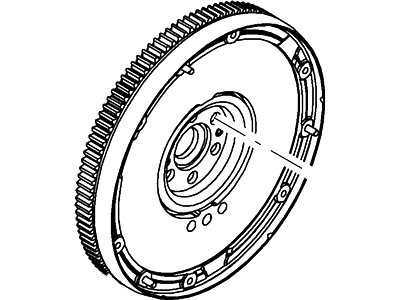
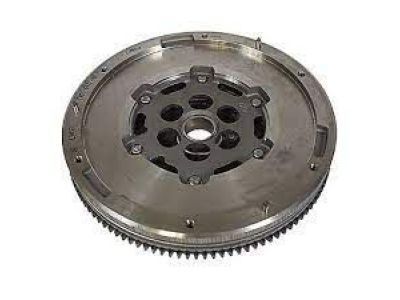
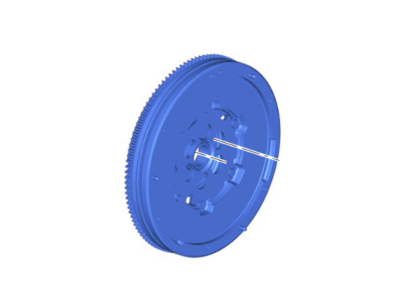
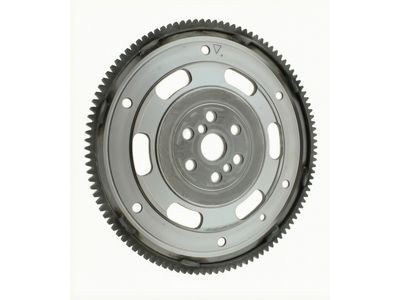
Ford Focus Flywheel
Part Number: G1FZ-6477-A$569.51 MSRP: $856.67You Save: $287.16 (34%)Ships in 1-3 Business Days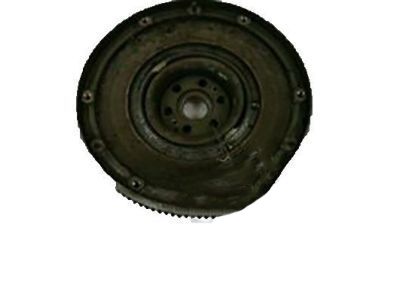
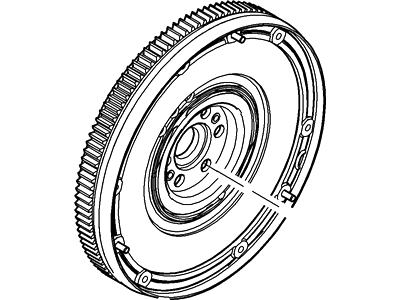
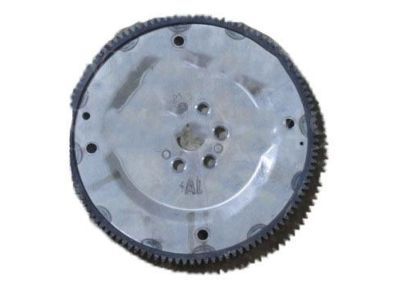
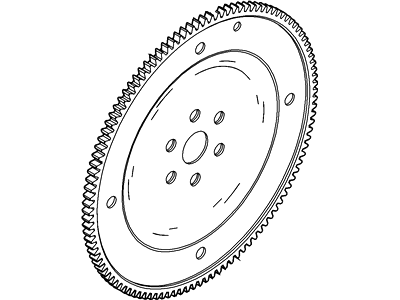
Ford Focus Flywheel Assembly
Part Number: 1L8Z-6375-AA$72.27 MSRP: $109.50You Save: $37.23 (34%)Ships in 1 Business Day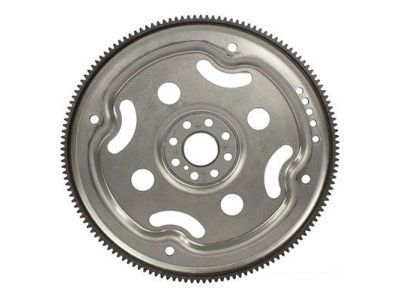
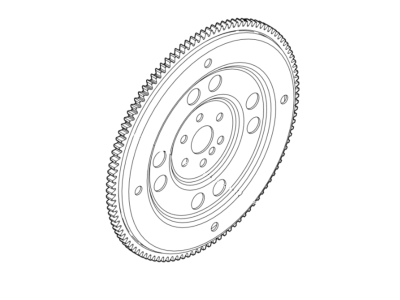
Ford Focus Flywheel Assembly
Part Number: F1FZ-6375-A$65.67 MSRP: $99.50You Save: $33.83 (34%)Ships in 1-3 Business Days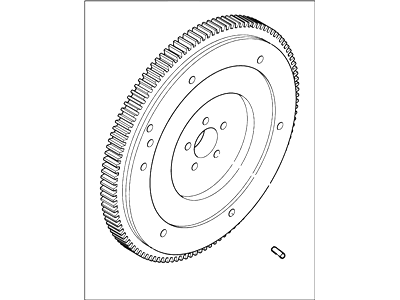
Ford Focus Flywheel
Part Number: 2M5Z-6375-AA$362.36 MSRP: $499.22You Save: $136.86 (28%)Ships in 1-2 Business Days
Ford Focus Flywheel
Part Number: CV6Z-6477-C$301.18 MSRP: $445.00You Save: $143.82 (33%)Ships in 1-3 Business Days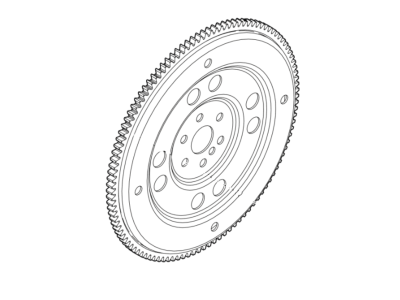
Ford Focus Flywheel Assembly
Part Number: CM5Z-6477-A$790.00 MSRP: $1188.33You Save: $398.33 (34%)Ships in 1-3 Business Days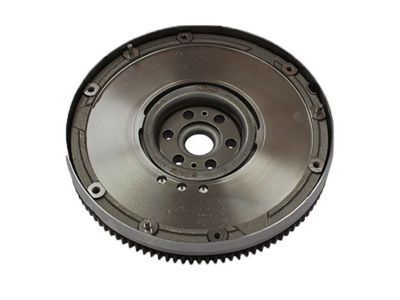
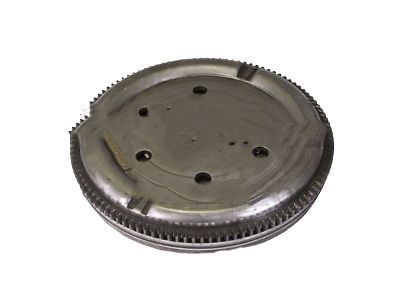
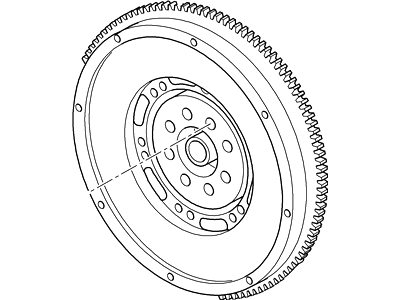
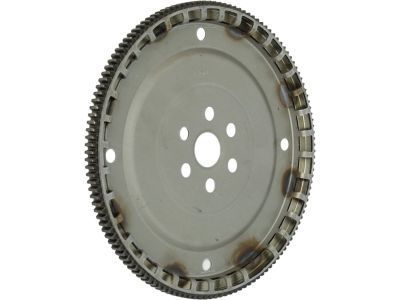
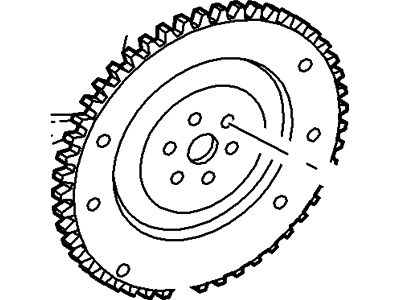
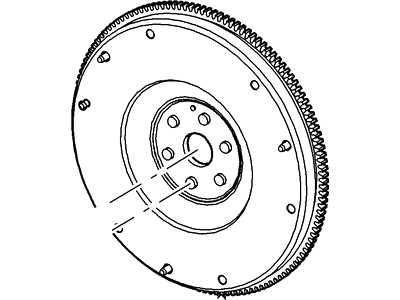
Ford Focus Flywheel
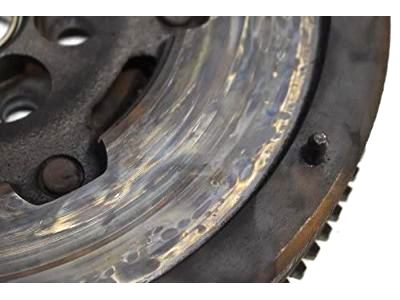
The Ford Focus Flywheel smooths engine pulses while linking starter and clutch, giving the compact car steady power and reliable launches. The Focus Flywheel is attached to the crankshaft and stores rotational energy. This makes combustion surges turn into continuous motion. The starter ring gear can therefore crank the engine during ignition. Across Focus generations and today's models, drivers see two main types, the traditional solid and the more complex Dual Mass Flywheel. Each achieves similar goals but in different ways. The solid version offers a single rigid disc that can sometimes be resurfaced when clutch wear scores its face, whereas the Dual Mass Flywheel design pairs primary and secondary discs with spring damping to absorb vibration. Although this absorbs vibrations and improves the feel of a gear shift, resurfacing is not practical. Replacement is typically the solution whenever the internal springs fail or the friction face has failed. Excessive heat, warpage, or chipped ring gear teeth remain common reasons for service, and Ford advises inspection whenever the clutch is removed to keep every Ford Focus owner confident and each replacement Flywheel ready on many Ford models.
We provide a wide range of Ford Focus Flywheel at the optimal prices. If you need Ford Focus Flywheel, you can shop with confidence on our website. All our OEM parts come with a manufacturer's warranty and are delivered to your doorstep with a fast delivery service.
Ford Focus Flywheel Parts Questions & Experts Answers
- Q:How to properly remove and reinstall a flywheel/driveplate in 2.0L SPI engine on Ford Focus?A:Raise the vehicle and support it securely on jackstands, then remove the transaxle. If it's leaking, now would be a very good time to replace the transaxle input shaft seal or torque converter-to-transaxle seal. Remove the pressure plate and clutch disc from manual transaxle equipped vehicles, and check or replace the clutch components. Use a center-punch to make alignment marks on the flywheel/driveplate and crankshaft to ensure correct alignment during reinstallation. Remove the bolts that secure the flywheel/driveplate to the crankshaft; if the crankshaft turns, wedge a screwdriver through the starter opening to jam the flywheel. Carefully remove the flywheel/driveplate from the crankshaft, supporting it while removing the last bolt due to its weight. Clean the flywheel to remove grease and oil, inspecting the surface for cracks, rivet grooves, burned areas, and score marks, with light scoring removable using emery cloth. Check for cracked and broken ring gear teeth, laying the flywheel on a flat surface to check for warpage with a straightedge. Clean and inspect the mating surfaces of the flywheel/driveplate and the crankshaft, replacing the crankshaft rear seal if it is leaking before reinstalling the flywheel/driveplate. Position the flywheel/driveplate against the crankshaft, aligning the marks made during removal, noting that some engines have an alignment dowel or staggered bolt holes for correct installation. Apply thread locking compound to the bolt threads before installation, then wedge a screwdriver through the starter motor opening to keep the flywheel/driveplate from turning while tightening the bolts in a criss-cross pattern to the specified torque. The remainder of installation follows the reverse of the removal procedure.