My Garage
My Account
Cart
Genuine Ford Fairmont Cooling Hose
Cooling System Hose- Select Vehicle by Model
- Select Vehicle by VIN
Select Vehicle by Model
orMake
Model
Year
Select Vehicle by VIN
For the most accurate results, select vehicle by your VIN (Vehicle Identification Number).
1 Cooling Hose found
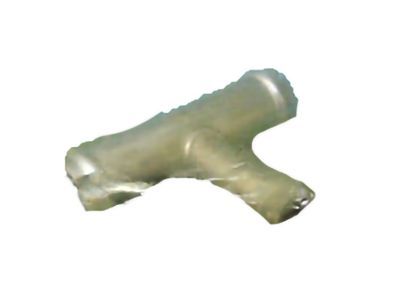
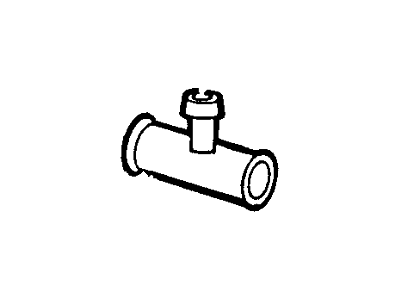
Ford Fairmont Cooling Hose
The Ford Fairmont Cooling Hose represents a crucial element of Ford Fairmont vehicle cooling systems because it shows dependable operations and excellent performance levels. The Cooling Hose directs coolant between engine and radiator to maintain proper temperatures and stop overheating conditions. All models of the Ford Fairmont series benefit enormously from the Cooling Hose design which incorporates upper and lower hoses along with bypass hoses and heater lines. The overall performance and safety level of the Ford Fairmont depends on these vital hoses which ensure efficient heat transfer and fade-away. Regular inspection together with prompt Cooling Hose replacement prevent leaks and protect the engine from damage thus demonstrating its critical function for vehicle performance maintenance. Customers must prioritize the selection of appropriate Cooling Hoses because different Fairmont models demand specific units to perform correctly. Easy installation procedures and the Cooling Hose sensor production quality create a reliable fit which isolates coolant leaks. Due to its superb features and model compatibility among Ford car vehicles the Cooling Hose shines as a standout product in automotive markets thereby boosting the model reputation for reliable operation.
We provide a wide range of Ford Fairmont Cooling Hose at the optimal prices. If you need Ford Fairmont Cooling Hose, you can shop with confidence on our website. All our OEM parts come with a manufacturer's warranty and are delivered to your doorstep with a fast delivery service.
Ford Fairmont Cooling Hose Parts Questions & Experts Answers
- Q:How to inspect, remove, and install the cooling hose in the cooling system to ensure proper operation on Ford Fairmont?A:A key ingredient in the proper operation of the cooling system is the routine inspection of hoses and their connectors for condition. Another ingredient to long hose life is the proper removal and installation procedure, as incorrect methods will shorten the useful life of the hose and may also lead to the damaging of other engine components. Routine inspection of hoses involves checking of all connections for watertight fit and all hoses for cracking. Squeeze each hose at several points along its length and closely inspect the surface for cracking, splitting, or breaks. If cracking is severe, replace the hose. To remove the hoses, first park the car on a flat, level surface. Disconnect the negative lead from the battery. It is necessary to drain only enough coolant from the system to allow removal of the hose, Upper hoses will require far less draining than lower. Loosen the hose clamps at each end of the hose. Grasp the hose firmly, at the flange, twist and pull simultaneously. Discretion is required for this job, Do not 'muscle' the connectors on the radiator, for instance, as they are of soft, thin, alloy sheet and will deform or break very easily. If the above procedure doesn't work, the hose will have to be cut from the flange to avoid the possibility of damaging flanges and other related parts. Using a razor blade or art knife, carefully slit the hose in several shallow cuts. These cutting tools are manufactured of metal harder than the flanges and will gouge the flanges. These gouges will be the primary site of fatigue cracking later in the life of the engine, so take the time to cut the hose, only. When the hose has been cut, carefully peel it away from the flange. Do not insert any tools or levers between the hose and the flange as these will also gouge or deform the flange, making sealing of the new hose difficult. Inspect the inside surfaces of all removed hoses for evidence of mineral build-up and rust in the cooling system. If there is evidence of build-up, flush the system. Installation of the hoses is the reverse of removal. Coat the flange surface with waterproof sealer. Slide the hose over the flange and position the clamp as shown in the accompanying figure. Tighten the clamp until the hose is snug on the flange. Fill the cooling system with fresh coolant mixed. Start the engine and allow it to reach operating temperature. Check all connections for leakage.