My Garage
My Account
Cart
Genuine Ford Explorer Sport Trac Spark Plug Wire
Spark Plug Ignition Wires- Select Vehicle by Model
- Select Vehicle by VIN
Select Vehicle by Model
orMake
Model
Year
Select Vehicle by VIN
For the most accurate results, select vehicle by your VIN (Vehicle Identification Number).
16 Spark Plug Wires found
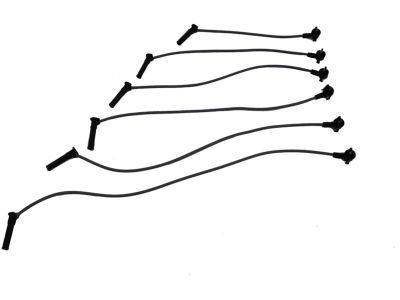
Ford Explorer Sport Trac Kit
Part Number: 3U2Z-12259-D$43.43 MSRP: $70.36You Save: $26.93 (39%)Ships in 1-2 Business Days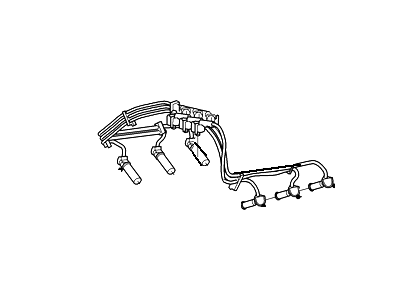
Ford Explorer Sport Trac Ignition Wire Assembly
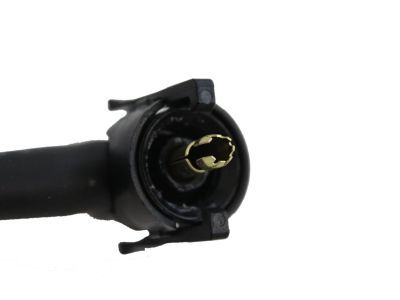
Part Number: 3U2Z-12286-J$9.28 MSRP: $12.89You Save: $3.61 (29%)Ships in 1-2 Business Days
Ford Explorer Sport Trac Ignition Wire Assembly
Part Number: 3U2Z-12286-K$9.43 MSRP: $13.10You Save: $3.67 (29%)Ships in 1-2 Business DaysFord Explorer Sport Trac Ignition Wire Assembly
Part Number: 3U2Z-12286-H$8.72 MSRP: $12.12You Save: $3.40 (29%)Ships in 1-2 Business Days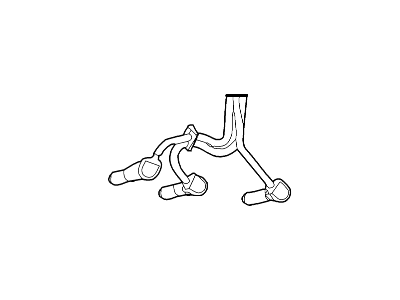
Ford Explorer Sport Trac Ignition Wire Assembly
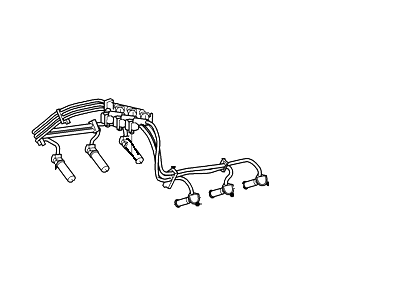
Part Number: XU2Z-12286-FE$11.22 MSRP: $18.18You Save: $6.96 (39%)Ford Explorer Sport Trac Ignition Wire Assembly
Part Number: XU2Z-12286-FF$17.85 MSRP: $28.91You Save: $11.06 (39%)Ford Explorer Sport Trac Ignition Wire Assembly
Part Number: XU2Z-12286-FB$19.42 MSRP: $31.45You Save: $12.03 (39%)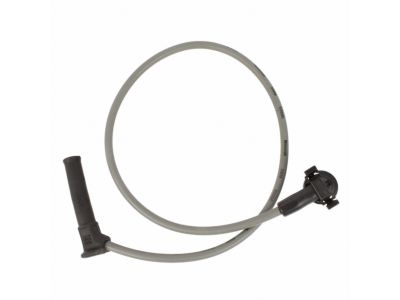
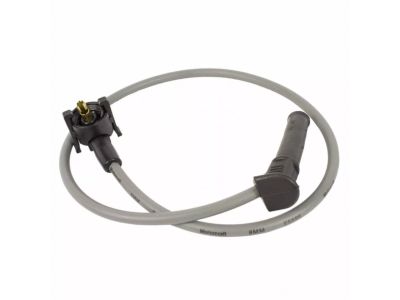
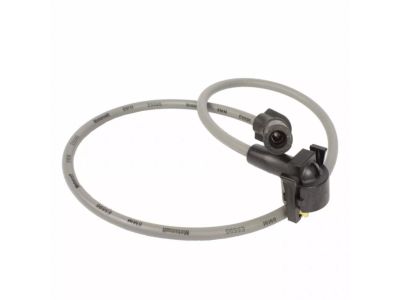
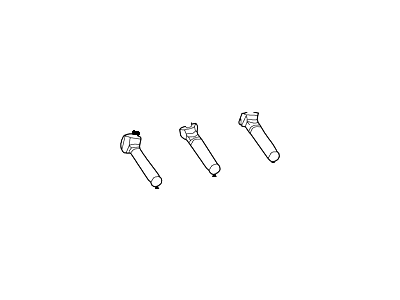
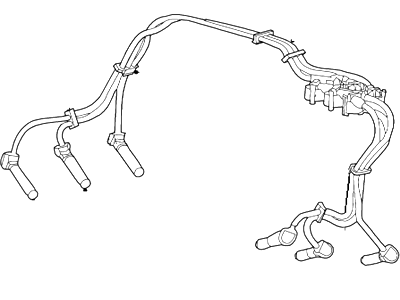
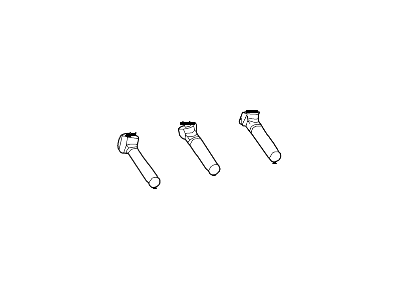
Ford Explorer Sport Trac Spark Plug Wire
The Spark Plug Wire in car models such as Ford Explorer Sport Trac is used to deliver high voltage from the ignition coil to spark plugs with the intention of starting combustion of the fuel-air mixture in the cylinder. These are also referred to as high tension leads they have thick robust insulation which is flexible and mostly produced from silicone rubber or EPDM. Regarding the style of the Spark Plug Wire of the Ford Explorer Sport Trac, there have been changes of designs over the years with the current times having more advanced designs with anti RFI technologies integrated in them. high-quality wires will use brass ends to avoid corrosion as opposed to the lower-quality wires that use shorter coil wire. Over the generation of this engine, most of the newly designed Ford Explorer Sport Trac cars have shifted from the normal Spark Plug Wires as they rely so much on coil packs or individual ignition coils. It is necessary to take proper care of these wires if the intend is to get the optimal out of your car's engine in terms of performance and durability.
We provide a wide range of Ford Explorer Sport Trac Spark Plug Wire at the optimal prices. If you need Ford Explorer Sport Trac Spark Plug Wire, you can shop with confidence on our website. All our OEM parts come with a manufacturer's warranty and are delivered to your doorstep with a fast delivery service.
Ford Explorer Sport Trac Spark Plug Wire Parts Questions & Experts Answers
- Q:What are spark plugs and Spark Plug Wire and how are they replaced on Ford Explorer Sport Trac?A:Spark plugs are on the sides of the engine and replacing them usually need a spark plug socket that screws onto a ratchet, assorted sockets and extension bars and a gap gauge to check and set the gaps on the new spark plugs. A special plug wire removal tool may be used to pull the wire boots away from the spark plugs though it is not necessary and a torque wrench should be used when tightening the new plugs. And while it is recommended to buy new plugs in advance and gaped appropriately to be put into the cylinder one at a time, it is essential to be sure of the type of plug bought, having regard to the information on the Vehicle Emission Control Information label. The engine should be allowed to cool before removing it and before installation of the new plugs they should be inspected for any defect and the gaps should be set using a suitable gauge. During the process of pulling the spark plug wire, do not pull the spark plug instead pull only on the boot and blow the spark plug hole with compressed air to clean it. Upon pulling the old plug analyze it against a 'condition chart' to determine the running condition of the engine, then screw in a new plug into the hole and fasten it tightly with an aid of a torque wrench/ratchet together with a rubber hose if possible. Check the spark plug wire before connecting it to the new plug, hose the boot with silicone dielectric compound before connecting it to the plug. Fuse connection and spark plug wires should be inspected and should be replaced if damaged; visual tests should be performed when the engine is running exposing it to visible sparks or other forms of damages. Every wire should be checked out separately with the beginning at the first cylinder and to be marked so that there will be no mixing during the connection. Sometimes you just have to clean up the wires, inspect for any form of damage and make sure that they sit tightly on both ends depending on where they connect; the spark plug or the ignition coil pack. In the event of new wires necessary, it is advisable to obtain the correct wires corresponding to the particular engine type, and swap these wires individualistically so as not to mistake them.