

My Garage
My Account
Cart
Genuine Ford Explorer Sport Trac Oil Filter
Engine Oil filter- Select Vehicle by Model
- Select Vehicle by VIN
Select Vehicle by Model
orMake
Model
Year
Select Vehicle by VIN
For the most accurate results, select vehicle by your VIN (Vehicle Identification Number).
1 Oil Filter found
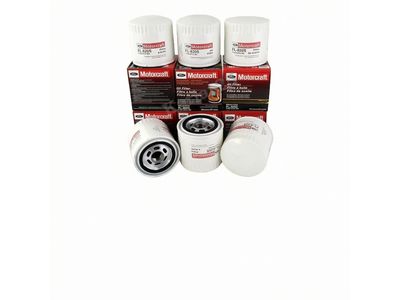
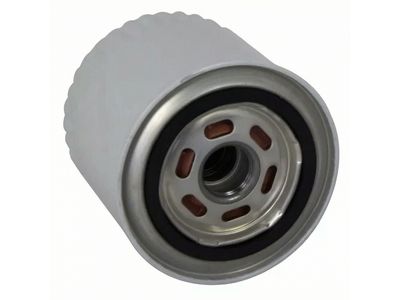
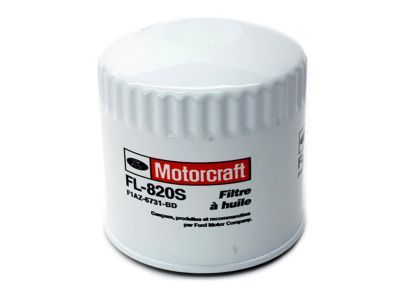
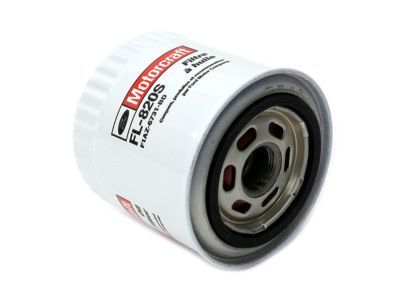
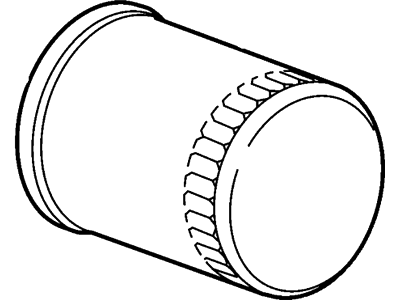
Ford Explorer Sport Trac Oil Filter Assembly
Part Number: F1AZ-6731-BD$7.79 MSRP: $12.71You Save: $4.92 (39%)Ships in 1 Business Day
Ford Explorer Sport Trac Oil Filter
The Oil Filter component in automobile Ford Explorer Sport Trac is essential in the overall health and operation of the vehicle's engine since it helps in filtering the engine oil and removing all the undesired substances from it. It works through acting as a filter as well as trapping the dirt particles and at the same time providing the right path for the oil by using cellulose or synthetic media. The Ford Explorer Sport Trac has incorporated both the replaceable element cartridge filters and the spin-on kinds, which the latter has a durable metal can that has been designed for the purpose of enduring high pressure oil and vibration stresses from the engine. High performance oil filters for the Ford Explorer Sport Trac are made of thicker walls of the canister and specialised synthetic material, thus, providing high rates of oil filtration and at the same time, removing up to 99 percent of the potential contaminants. It also contains the facilities such as infringement and bypass outlets which minimize difficulties of oil draining and guarantees a higher pressure in starting up. In general, the Oil Filter helps the Ford Explorer Sport Trac to extend the use of its engine as what users expect due to the extraordinary technicality of improving performance and efficiency.
We provide a wide range of Ford Explorer Sport Trac Oil Filter at the optimal prices. If you need Ford Explorer Sport Trac Oil Filter, you can shop with confidence on our website. All our OEM parts come with a manufacturer's warranty and are delivered to your doorstep with a fast delivery service.
Ford Explorer Sport Trac Oil Filter Parts Questions & Experts Answers
- Q:How to change engine oil and oil filter and ensuring proper maintenance on Ford Explorer Sport Trac?A:Engine oils degrade with use and become dilute; hence it is desirable to change them frequently and that this is an effective method of preventive maintenance. In this business, you ought to make sure you have a set of all instruments vital for the project and many rags in anticipation of a stain. Start with engine at normal operating temperature; this produces better flow of oils and sludges. After warming the vehicle turn off the engine, find a level and flat ground and take off the oil filler cap. The oil drain plug and filter is more easily accessible if the vehicle is on a hoist or jack stands; always avoid working under a vehicle that is only on a jack. Carry the jack under the engine in the manner to avoid the hot exhaust parts and find the drain plug and the oil filter. Place a drain pan underneath the plug, clear the area, and when removing the plug take keen on hot oil. When the oil has been drained, look into the oil for metallic debris, and check the drain plug for deposits, clean it and bolt it tightly back in its position. After that, place the drain pan beneath the oil filter, and using a filter wrench, remove this unit; in case the filter is quite tight, it is possible to use a metal bar for its turning. When already opened, twist and remove the cap while in an angle to avoid spilling of the contents. While putting on the filter, remove all the old gasket from the mounting surface on the block and examine the used filter to the new one. Apply a little engine oil on the gasket of the new filter then fit it into position and tighten it in the right manner. When all the tools and materials are taken out, lower down the vehicle and put in fresh oil through the filler cap with the help of a funnel and put in four quarts and pouring the dipstick. Cranks the engine and check for drips at the drain plug and filter and if there are some then using the spanner tighten them. Check the oil level again after some few minutes and add more if the quantity is low. The first few times when you are on the road after a modification, your primary observations should be the leakage and the level of oil. Last but not the least collect and dispose off the used oil that cannot be reclaimed by pouring it into container for possible disposal.
Related Ford Explorer Sport Trac Parts
 Ford Explorer Sport Trac Automatic Transmission Filter
 Ford Explorer Sport Trac Drain Plug
 Ford Explorer Sport Trac Transfer Case Seal
 Ford Explorer Sport Trac Oil Pressure Switch
 Ford Explorer Sport Trac Oil Cooler
 Ford Explorer Sport Trac Drain Plug Washer
 Ford Explorer Sport Trac Oil Filler Cap
 Ford Explorer Sport Trac Oil Pan
 Ford Explorer Sport Trac Oil Pan Gasket
 Ford Explorer Sport Trac Dipstick
 Ford Explorer Sport Trac Dipstick Tube