

My Garage
My Account
Cart
Genuine Ford Explorer Coolant Temperature Sensor
Coolant Water Temperature Sensor- Select Vehicle by Model
- Select Vehicle by VIN
Select Vehicle by Model
orMake
Model
Year
Select Vehicle by VIN
For the most accurate results, select vehicle by your VIN (Vehicle Identification Number).
19 Coolant Temperature Sensors found
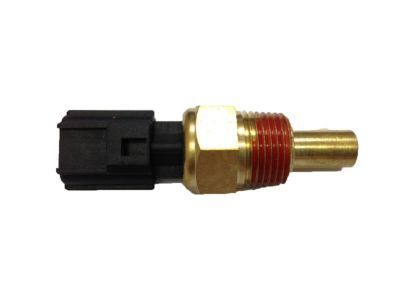
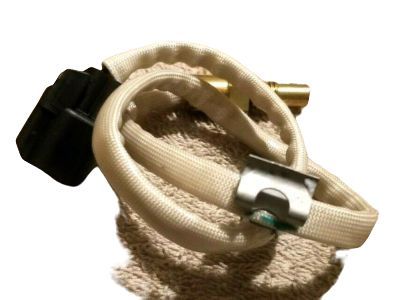
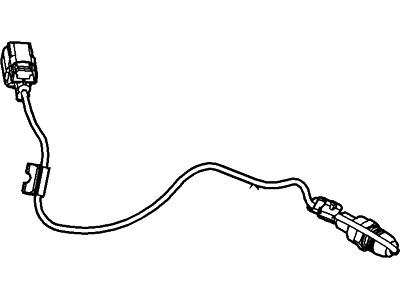
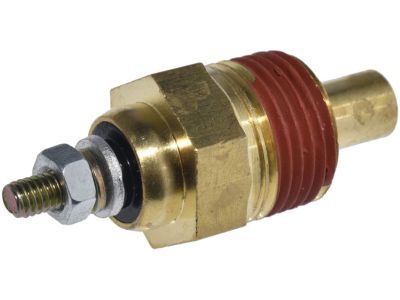
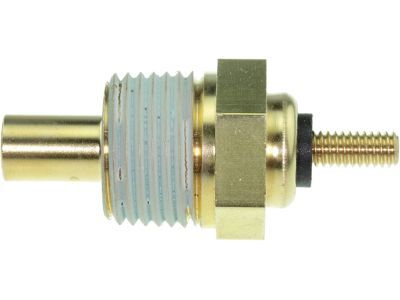
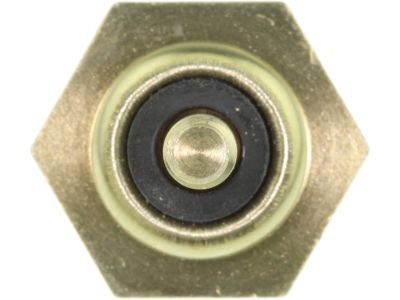
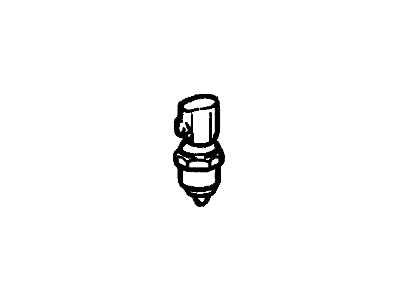
Ford Explorer Temperature Sender Assembly
Part Number: DB5Z-12A648-A$103.26 MSRP: $167.27You Save: $64.01 (39%)Ships in 1-2 Business Days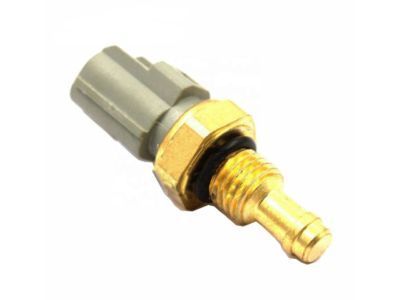
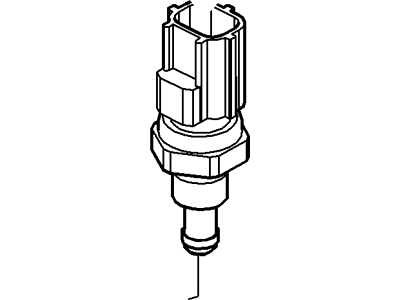
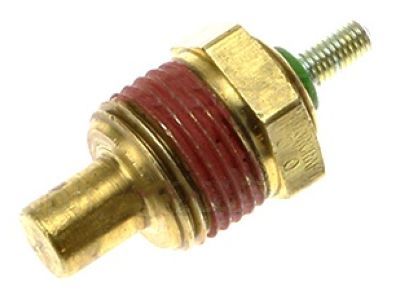
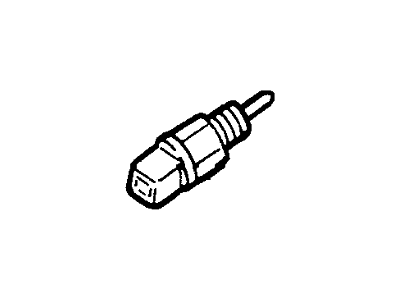
Ford Explorer Temperature Gauge
Part Number: F1SZ-10884-A$35.92 MSRP: $58.18You Save: $22.26 (39%)Ships in 1-2 Business Days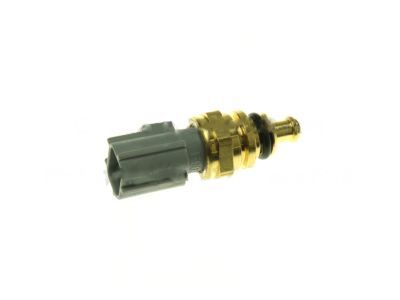
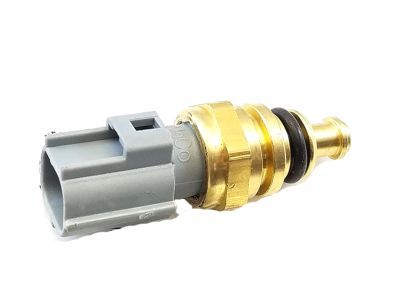
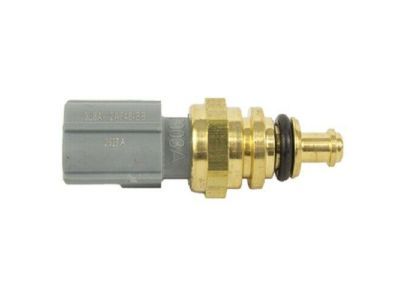
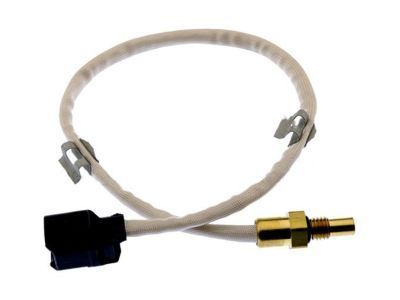
Ford Explorer Coolant Temperature Sensor
Part Number: 3L8Z-12A648-A$29.19 MSRP: $47.29You Save: $18.10 (39%)Ships in 1-2 Business Days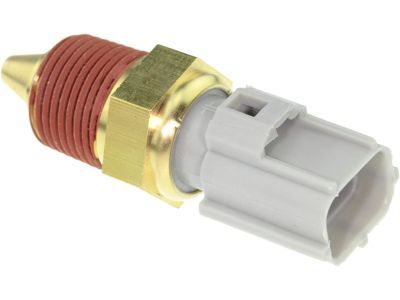
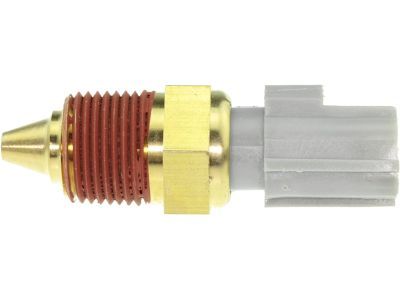
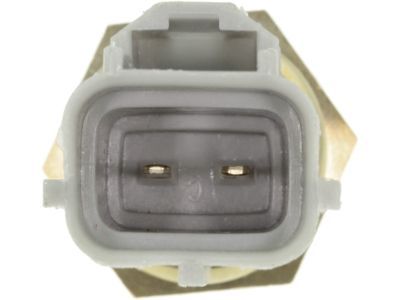
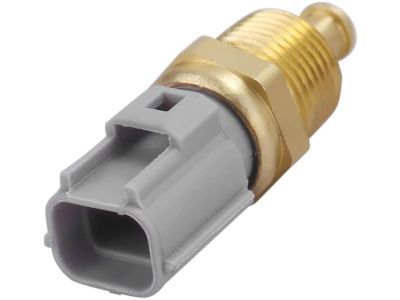
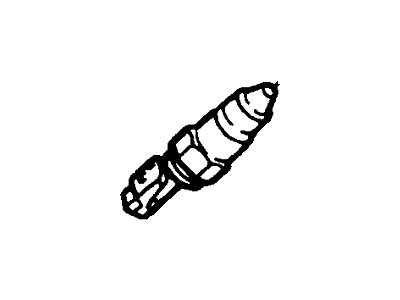
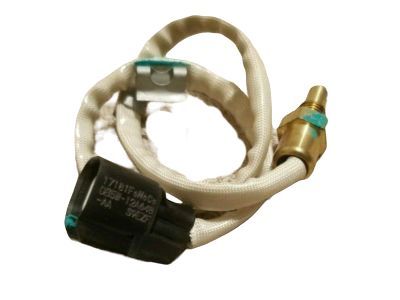
Ford Explorer Sender Assembly
Part Number: F5AZ-12A648-AB$20.98 MSRP: $34.00You Save: $13.02 (39%)Ships in 1 Business Day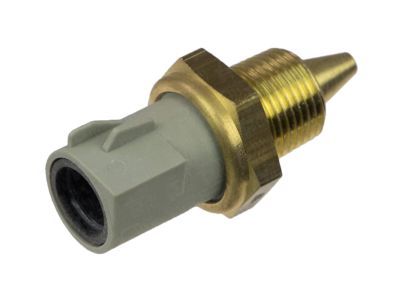
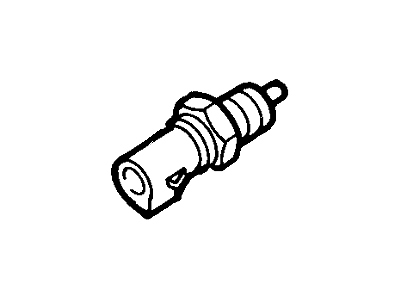
Ford Explorer Sender Assembly
Part Number: F2AZ-12A648-A$32.55 MSRP: $52.73You Save: $20.18 (39%)Ships in 1 Business Day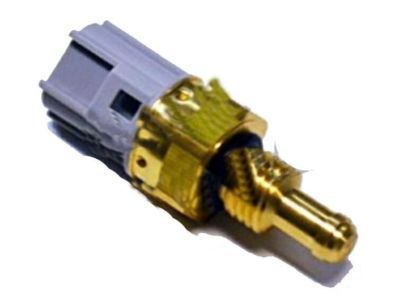
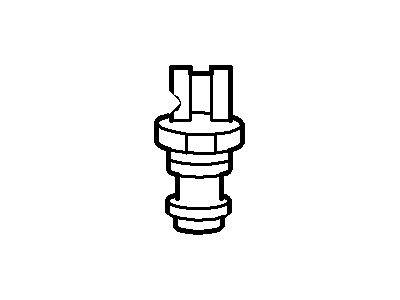
Ford Explorer Coolant Temperature Sensor
Part Number: F8CZ-12A648-B$22.41 MSRP: $36.55You Save: $14.14 (39%)Ships in 1-2 Business Days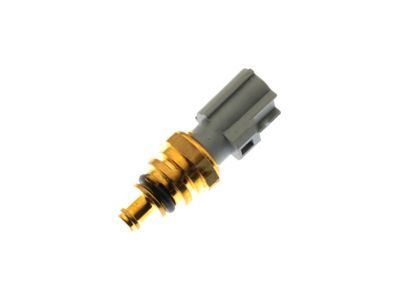
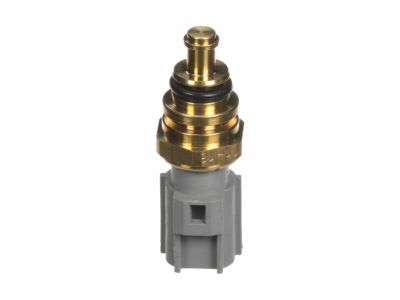
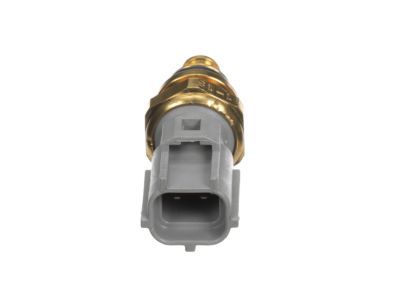
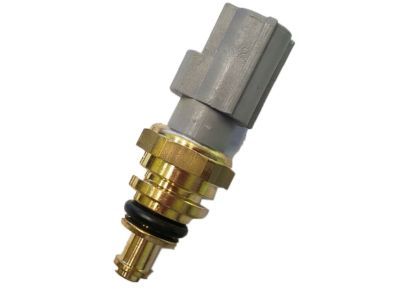
Ford Explorer Coolant Temperature Sensor
Part Number: 7M5Z-12A648-A$41.53 MSRP: $67.27You Save: $25.74 (39%)Ships in 1-2 Business Days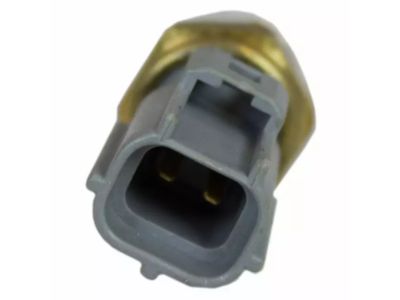
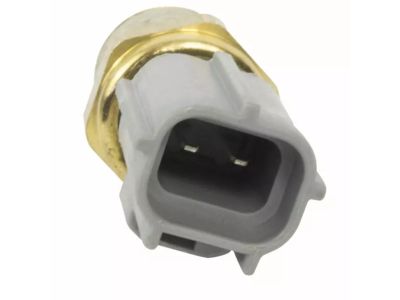
Ford Explorer Engine Temperature Ect Sensor
Part Number: F5AZ-12A648-A$20.98 MSRP: $34.00You Save: $13.02 (39%)Ships in 1 Business Day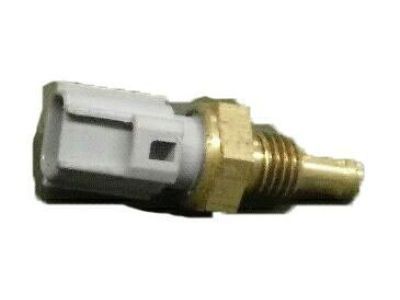
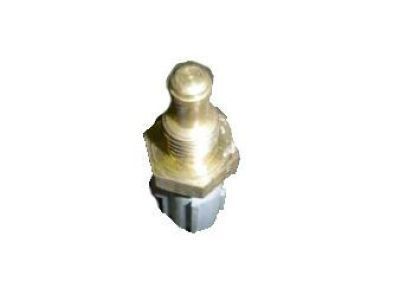
Ford Explorer Sender Assembly
Part Number: F77Z-12A648-AA$22.41 MSRP: $36.55You Save: $14.14 (39%)Ships in 1-2 Business Days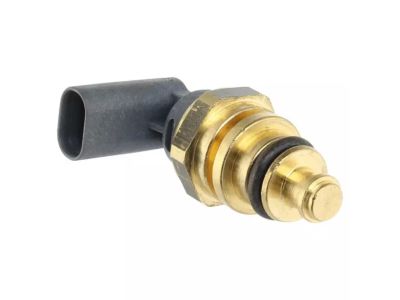
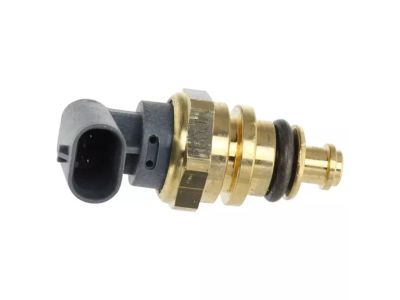
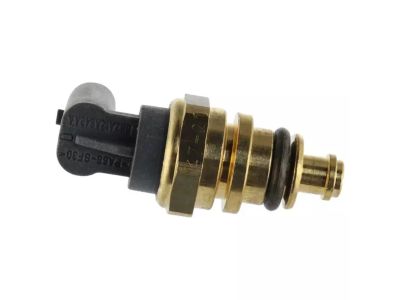
Ford Explorer Battery Temperature Sensor
Part Number: GK2Z-12A648-A$3.04 MSRP: $5.20You Save: $2.16 (42%)Ships in 1-3 Business Days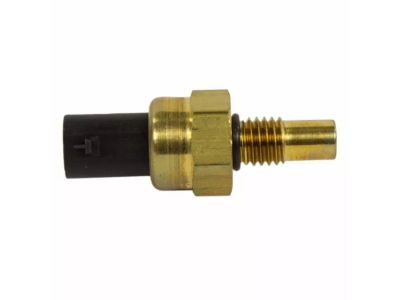
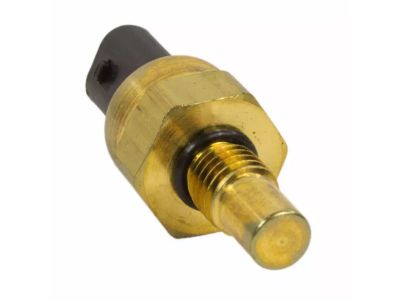
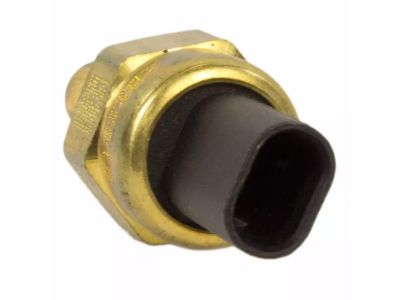
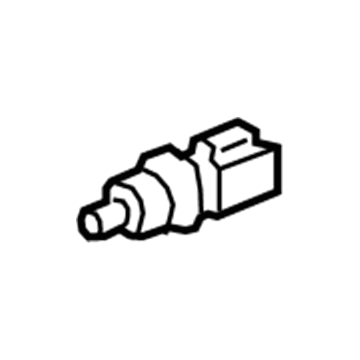
Ford Explorer Coolant Temperature Sensor
Part Number: FB5Z-12A648-A$134.69 MSRP: $218.18You Save: $83.49 (39%)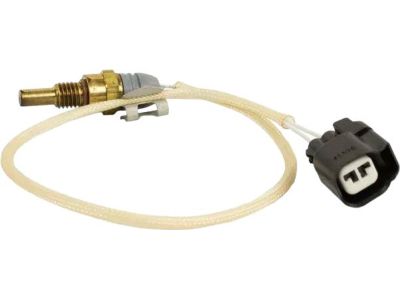
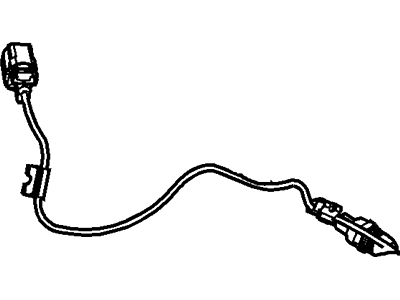
Ford Explorer Temperature Sender Assembly
Part Number: DG1Z-12A648-B$141.42 MSRP: $229.09You Save: $87.67 (39%)Ships in 1-3 Business Days
Ford Explorer Coolant Temperature Sensor
Part Number: JL3Z-12A648-B$22.90 MSRP: $37.09You Save: $14.19 (39%)Ships in 1-3 Business DaysFord Explorer Temperature Sender Assembly
Part Number: DG1Z-12A648-A$103.26 MSRP: $167.27You Save: $64.01 (39%)Ships in 1-2 Business Days
Ford Explorer Coolant Temperature Sensor
Part Number: KA1Z-9U498-A$30.74 MSRP: $49.80You Save: $19.06 (39%)Ships in 1-3 Business Days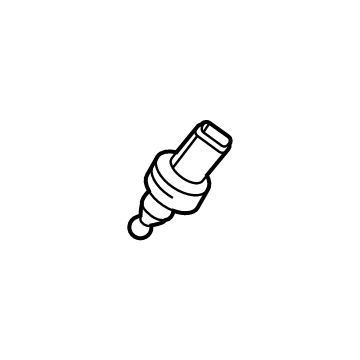
Ford Explorer Coolant Temperature Sensor
Part Number: P2GZ-12A648-A$3.51 MSRP: $5.73You Save: $2.22 (39%)Ships in 1-2 Business Days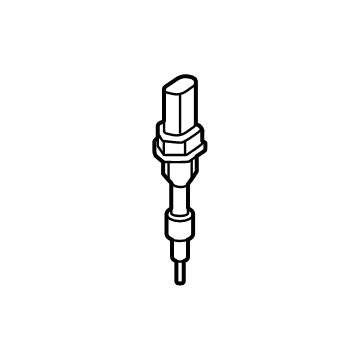
Ford Explorer Coolant Temperature Sensor
Part Number: P2GZ-9U498-B$7.95 MSRP: $12.89You Save: $4.94 (39%)Ships in 1-2 Business Days
Ford Explorer Coolant Temperature Sensor
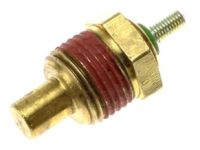
The Coolant Temperature Sensor is abbreviated as CTS is used in Ford Explorer automobiles with the functionality to measure the intensity of temperature of the coolant to control the mechanized nature of the automobile. This sensor is useful in measuring the coolant temperature with reference to the control of this engine to establish its most appropriate operating temperatures. From the many years of assembly of Ford Explorer vehicles, several Coolant Temperature Sensors have been fitted and they differ in how they measure the temperature of the coolerant. Such variations in the kind of sensors have contributed in improvement of reliability as well as reliability in managing temperatures of the engine.
We provide a wide range of Ford Explorer Coolant Temperature Sensor at the optimal prices. If you need Ford Explorer Coolant Temperature Sensor, you can shop with confidence on our website. All our OEM parts come with a manufacturer's warranty and are delivered to your doorstep with a fast delivery service.
Ford Explorer Coolant Temperature Sensor Parts Questions & Experts Answers
- Q:How to remove and install the Coolant Temperature Sensor on Ford Explorer?A:Allow the cooling system to completely cool down. Drain coolant from the Radiator to approximately four inches below the upper radiator hose to minimize coolant loss during this procedure. Disconnect the electrical connector from the top of the sending unit. On 4.0L SOHC V6 models through 2000, the upper intake manifold must be removed to access the sending unit. It may be possible to access the sender with the thermostat housing removed. Wrap the threads of the new sending unit with Teflon tape. Remove the old sending unit from the engine. Install the new sending unit and tighten it securely. Connect the sending unit electrical connector. Refill the cooling system. Start the engine and check for leaks.
Related Ford Explorer Parts
 Ford Explorer Oxygen Sensors
 Ford Explorer Camshaft Position Sensor
 Ford Explorer Throttle Position Sensor
 Ford Explorer Parking Assist Distance Sensor
 Ford Explorer Crankshaft Position Sensor
 Ford Explorer MAP Sensor
 Ford Explorer Mass Air Flow Sensor
 Ford Explorer Knock Sensor
 Ford Explorer Vehicle Speed Sensor
 Ford Explorer Yaw Sensor
Browse by Year
2025 Coolant Temperature Sensor 2024 Coolant Temperature Sensor 2023 Coolant Temperature Sensor 2022 Coolant Temperature Sensor 2021 Coolant Temperature Sensor 2020 Coolant Temperature Sensor 2019 Coolant Temperature Sensor 2018 Coolant Temperature Sensor 2017 Coolant Temperature Sensor 2016 Coolant Temperature Sensor 2015 Coolant Temperature Sensor 2014 Coolant Temperature Sensor 2013 Coolant Temperature Sensor 2012 Coolant Temperature Sensor 2011 Coolant Temperature Sensor 2010 Coolant Temperature Sensor 2009 Coolant Temperature Sensor 2008 Coolant Temperature Sensor 2007 Coolant Temperature Sensor 2006 Coolant Temperature Sensor 2005 Coolant Temperature Sensor 2004 Coolant Temperature Sensor 2003 Coolant Temperature Sensor 2002 Coolant Temperature Sensor 2001 Coolant Temperature Sensor 2000 Coolant Temperature Sensor 1999 Coolant Temperature Sensor 1998 Coolant Temperature Sensor 1997 Coolant Temperature Sensor 1996 Coolant Temperature Sensor 1995 Coolant Temperature Sensor 1994 Coolant Temperature Sensor 1993 Coolant Temperature Sensor 1992 Coolant Temperature Sensor 1991 Coolant Temperature Sensor