

My Garage
My Account
Cart
Genuine 2014 Ford Taurus Intake Manifold
Engine Intake Manifold- Select Vehicle by Model
- Select Vehicle by VIN
Select Vehicle by Model
orMake
Model
Year
Select Vehicle by VIN
For the most accurate results, select vehicle by your VIN (Vehicle Identification Number).
4 Intake Manifolds found
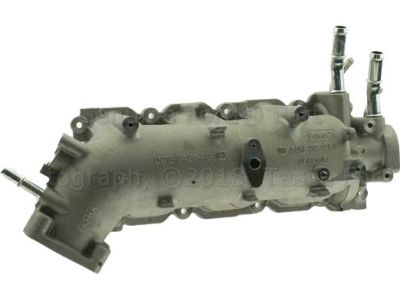
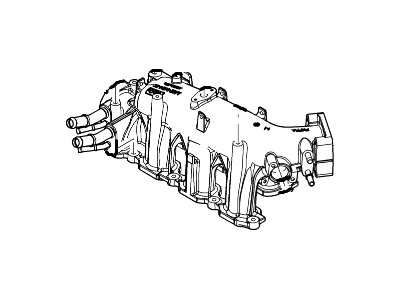
2014 Ford Taurus Inlet Manifold Assembly
Part Number: DG1Z-9424-A$288.77 MSRP: $426.67You Save: $137.90 (33%)Product Specifications- Other Name: Manifold Assy - Inlet; Intake Manifold
- Base No.: 9424
- Item Weight: 14.30 Pounds
- Item Dimensions: 23.5 x 12.3 x 11.2 inches
- Condition: New
- Fitment Type: Direct Replacement
- SKU: DG1Z-9424-A
- Warranty: This genuine part is guaranteed by Ford's factory warranty.
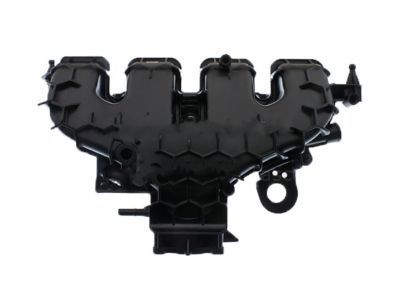
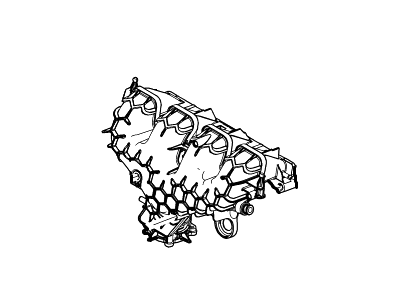
2014 Ford Taurus Inlet Manifold Assembly
Part Number: CJ5Z-9424-C$51.50 MSRP: $74.00You Save: $22.50 (31%)Ships in 1 Business DayProduct Specifications- Other Name: Manifold Assy - Inlet
- Replaced by: CJ5Z-9424-G
- Base No.: 9424
- Item Weight: 6.00 Pounds
- Item Dimensions: 9.3 x 18.9 x 14.8 inches
- Condition: New
- Fitment Type: Direct Replacement
- SKU: CJ5Z-9424-C
- Warranty: This genuine part is guaranteed by Ford's factory warranty.
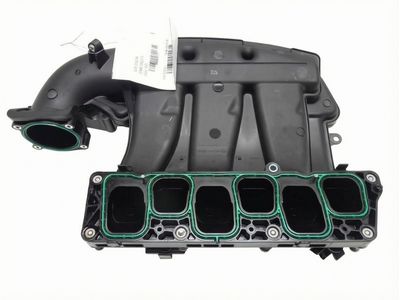
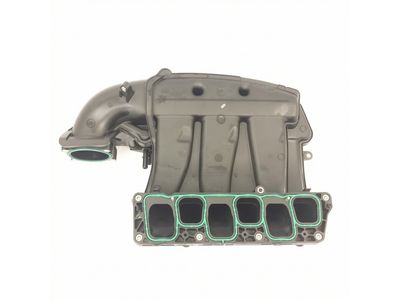
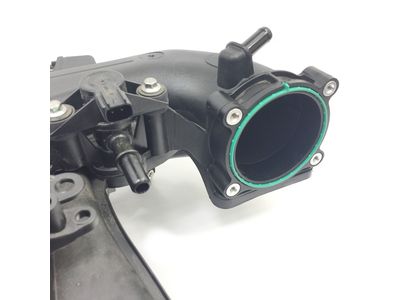
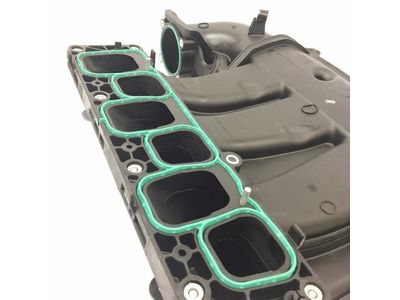
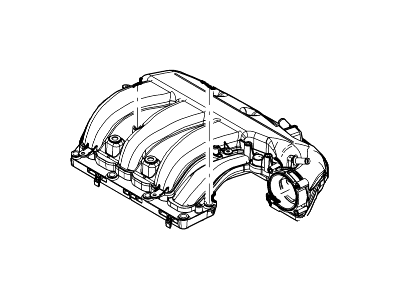 Product Specifications
- Other Name: Manifold Assy - Inlet; Intake Manifold
- Position: Upper
- Base No.: 9424
- Item Weight: 9.80 Pounds
- Item Dimensions: 18.0 x 16.0 x 13.4 inches
- Condition: New
- Fitment Type: Direct Replacement
- SKU: AT4Z-9424-A
- Warranty: This genuine part is guaranteed by Ford's factory warranty.
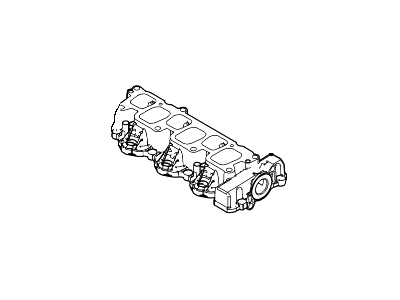 Product Specifications
- Other Name: Manifold Assy - Inlet
- Position: Lower
- Base No.: 9424
- Item Weight: 5.30 Pounds
- Item Dimensions: 18.6 x 12.6 x 10.4 inches
- Condition: New
- Fitment Type: Direct Replacement
- SKU: AT4Z-9424-B
- Warranty: This genuine part is guaranteed by Ford's factory warranty.
2014 Ford Taurus Intake Manifold
At FordPartsGiant.com, you will find an extensive inventory of genuine 2014 Ford Taurus Intake Manifold offered at competitive prices online. These manufacturer-backed OEM 2014 Ford Taurus Intake Manifold ensure your satisfaction with their quality and come with a hassle-free return policy and expedited delivery service, guaranteeing a delightful shopping experience.
2014 Ford Taurus Intake Manifold Parts Questions & Experts Answers
- Q:How to remove and install the intake manifolds in V6 engine on 2014 Ford Taurus?A:Take off cable from the negative terminal of the battery and remove the air filter housing and the intake duct. Take off the cross brace fasteners and the roll mount fasteners after which you can slide the assembly out from the struts if present. Remove the connector at the electronic throttle body and such coolant hoses or other connectors that are fitted at the throttle body. For the 3.0L engines, it entails removal of the MAP sensor connector, the EGR valve electrical connection and also the EGR pipe where the hoses and the pipe can only be undone at the end of the manifold on the left side. Again, for 3.0L engines, remove and plug the two coolant hoses to the PCV, remove the EVAP hose, brake booster vacuum hose and the PCV hose. For 3.5L engines turn off the heated PCV valve. Unbolt and detach vacuum hoses from the upper intake manifold, and electrical connectors; use tapes to identify them correctly. Disconnect the wire harness bracket nuts and move the wiring harness aside and on the 3.5L engines remove the manifold brace near the throttle body end of the manifold. Take out the nut and the bolt fixed at the upper manifold brace or braces, with some models having both long as well as short braces. Loosen the upper intake manifold bolts in the reverse order of the tightening pattern with reference to the fact that the bolts are blind and hence will stay with the manifold. Take out the mounting-bolts and throw away the upper intake-to-lower intake manifold gaskets. If it was gasket, inspect the surfaces that were in contact with the gasket for warpage and replace the manifold if it was cracked or badly warped. Oil the intake manifold gasket, replace a damaged one, and it is important that the mating surfaces should be flat and clean and avoid using any sealant on the fuel system. Fit the upper manifold to the lower manifold, then engaging and tightening the fasteners in sets of about three or four turning until the prescribed torque is reached. The rest of installation is the reverse of removal and reconnect battery, and reassemble the machine. The PCM of the Powertrain will require the signal to be learned again together with its idle and fuel trim strategy. After instrument warm up, look for fuel and vacuum leaks and, through a test drive, check for actual operation of all the parts and accessories. When working on the lower intake manifold, release the fuel system pressure and refer to the battery and disconnect the negative terminal. For 3.5L engines, it recommended that the cooling system be drained. The upper intake manifold must be taken off, the fuel line must be disconnected from the fuel rail, the electrical connectors of the fuel injectors must be disconnected and the injector wiring harness moved aside. On 3.5L engines the fuel rail and injectors have to be removed while on 3.0L the two lower intake manifolds together with the fuel rail and injectors will have to be removed. Lower intake 3.5L engines must have bolts removed from the thermostat housing while the coolant hoses are still connected. Slowly and simultaneously begin to loosen the lower manifold bolts in the reverse of the lightening sequence and then remove these bolts. Remove the lower intake manifold(s) off the engine and remove the manifold gaskets. It is recommended that all gasket material is removed from the mating surfaces on the manifold as well as on the cylinder head without scratching or damaging the sealing surface. Particularly look for cracks in any parts or else if the manifold gaskets were leaking one had to look at the mating surface for warpage and when scraping always be very careful it aluminum engine parts. Replace new lower intake manifold gaskets on the cylinder heads and fit the lower manifold(s) in its necessary position so that the gaskets are not disturbed. For the 3.0L engines, now, marry the fuel rail to the manifolds, tightening the fuel rail bolts only slightly. When that is done, get to tighten the bolts on the fuel rail after previously on the intake manifold there had been bolts tightened. Replace and then tighten the lower manifold bolts in a sequence and slowly to the required torque. All the remaining installation procedures mirror the removal procedures but to the end that all bolts and screws are properly tightened to the required torque. The schedules for 3.5 L engines are fairly standard: change oil and filter, refill and bleed the cooling system.
