

My Garage
My Account
Cart
Genuine 1987 Ford Bronco II Shock Absorber
Suspension Shock Absorber- Select Vehicle by Model
- Select Vehicle by VIN
Select Vehicle by Model
orMake
Model
Year
Select Vehicle by VIN
For the most accurate results, select vehicle by your VIN (Vehicle Identification Number).
13 Shock Absorbers found
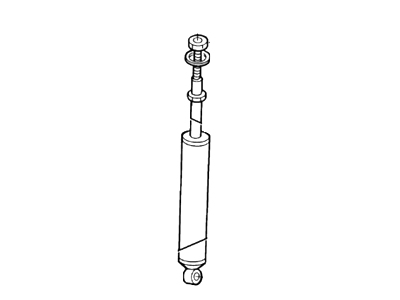 Product Specifications
- Other Name: KIT - SHOCK ABSORBER
- Condition: New
- Fitment Type: Direct Replacement
- SKU: E99Z-18124-A
- Warranty: This genuine part is guaranteed by Ford's factory warranty.
 Product Specifications
- Other Name: KIT - SHOCK ABSORBER
- Condition: New
- Fitment Type: Direct Replacement
- SKU: E7XZ-18125-B
- Warranty: This genuine part is guaranteed by Ford's factory warranty.
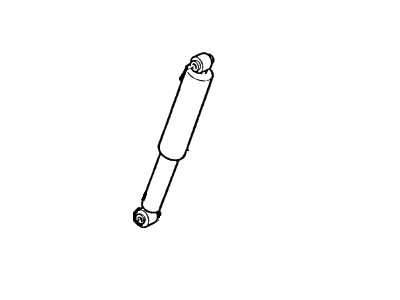 Product Specifications
- Other Name: Shock Absorber Assy
- Manufacturer Note: HD - (gas charged), 4x2 Crew Cab
- Condition: New
- Fitment Type: Direct Replacement
- SKU: E7TZ-18125-F
- Warranty: This genuine part is guaranteed by Ford's factory warranty.
- Product Specifications
- Other Name: Shock Absorber Assy
- Replaced by: 5U2Z-18V125-BBA
- Item Weight: 6.60 Pounds
- Item Dimensions: 28.1 x 3.7 x 4.7 inches
- Condition: New
- Fitment Type: Direct Replacement
- SKU: E7TZ-18125-E
- Warranty: This genuine part is guaranteed by Ford's factory warranty.
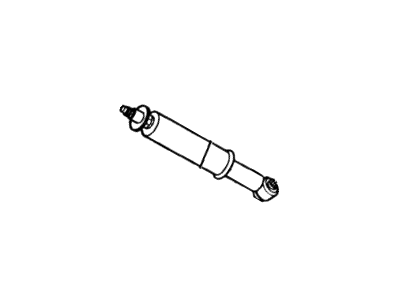 Product Specifications
- Other Name: Shock Absorber Assy
- Manufacturer Note: (Gas charged), single shocks, BEFORE 5/16/94
- Condition: New
- Fitment Type: Direct Replacement
- SKU: E7TZ-18124-L
- Warranty: This genuine part is guaranteed by Ford's factory warranty.
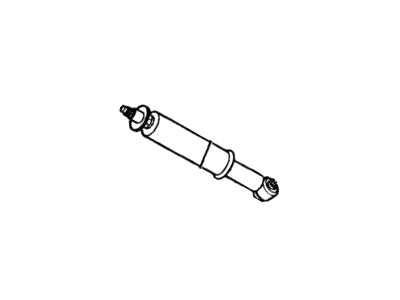 Product Specifications
- Other Name: Shock Absorber Assy
- Condition: New
- Fitment Type: Direct Replacement
- SKU: E7TZ-18124-G
- Warranty: This genuine part is guaranteed by Ford's factory warranty.
- Product Specifications
- Other Name: Shock Absorber Assy
- Manufacturer Note: Std. (gas charged), 4x4, BEFORE 5/16/94
- Condition: New
- Fitment Type: Direct Replacement
- SKU: E7TZ-18124-E
- Warranty: This genuine part is guaranteed by Ford's factory warranty.
- Product Specifications
- Other Name: Shock Absorber Assy
- Manufacturer Note: HD - (gas charged), 4x2 - over 8600 G.V.W.
- Condition: New
- Fitment Type: Direct Replacement
- SKU: E7TZ-18124-D
- Warranty: This genuine part is guaranteed by Ford's factory warranty.
- Product Specifications
- Other Name: Shock Absorber Assy - Front; Shock, Shock Absorber
- Position: Front
- Item Weight: 3.50 Pounds
- Condition: New
- Fitment Type: Direct Replacement
- SKU: E7TZ18124B
- Warranty: This genuine part is guaranteed by Ford's factory warranty.
- Product Specifications
- Other Name: KIT - SHOCK ABSORBER
- Condition: New
- Fitment Type: Direct Replacement
- SKU: E79Z-18124-A
- Warranty: This genuine part is guaranteed by Ford's factory warranty.
- Product Specifications
- Other Name: Kit - Shock Absorber
- Condition: New
- Fitment Type: Direct Replacement
- SKU: E6UZ-18125-B
- Warranty: This genuine part is guaranteed by Ford's factory warranty.
- Product Specifications
- Other Name: Kit - Shock Absorber
- Condition: New
- Fitment Type: Direct Replacement
- SKU: E6UZ-18125-A
- Warranty: This genuine part is guaranteed by Ford's factory warranty.
- Product Specifications
- Other Name: Kit - Shock Absorber
- Condition: New
- Fitment Type: Direct Replacement
- SKU: E4TZ-18124-F
- Warranty: This genuine part is guaranteed by Ford's factory warranty.
1987 Ford Bronco II Shock Absorber
At FordPartsGiant.com, you will find an extensive inventory of genuine 1987 Ford Bronco II Shock Absorber offered at competitive prices online. These manufacturer-backed OEM 1987 Ford Bronco II Shock Absorber ensure your satisfaction with their quality and come with a hassle-free return policy and expedited delivery service, guaranteeing a delightful shopping experience.
1987 Ford Bronco II Shock Absorber Parts Questions & Experts Answers
- Q:How to remove and install front shock absorbers on 4WD 1987 Ford Bronco II?A:Low pressure gas shocks are charged with Nitrogen gas, and it is important not to open, puncture, or apply heat to them. Before installing a new shock absorber, hold it upright and extend it fully, then invert it and fully compress and extend it at least three times to bleed trapped air. Begin by raising the vehicle for better access, then remove the bolt and nut attaching the shock absorber to the lower bracket on the radius arm, followed by the nut, washer, and insulator from the shock absorber at the frame bracket to remove the shock absorber. For installation, position the washer and insulator on the shock absorber rod and attach it to the frame bracket, then loosely install the attaching nut. Next, position the shock absorber to the lower bracket and loosely install the attaching bolt and nut. Finally, tighten the lower attaching bolts to 39-53 ft. lbs. and the upper attaching bolts to 25-35 ft. lbs. The shock absorber's purpose is to limit the motion of the spring during compression and rebound cycles; without them, the vehicle would experience excessive up and down motion. Contrary to popular belief, shocks do not affect ride height, which is determined by other suspension components. Worn shock absorbers can impact handling, and if the front of the vehicle rises or falls excessively, it alters the tire footprint on the pavement, affecting steering. A simple test involves pushing down on one corner of the unladen vehicle and observing its motion upon release; it should come up beyond its original rest position, dip back below it, and settle quickly. Excessive pitch motion or failure to return to rest within 2-3 cycles indicates poor function. Oil-filled shocks may have a light film of oil around the seal due to normal air exchange, which is not a sign of failure, but thick or running oil indicates failure. Gas-filled shocks may also show some film at the shaft; if gas has leaked out, the shock will have little resistance to motion. While individual shock absorbers can be replaced, it is advisable to change them as a pair to ensure equal response on both sides of the vehicle, as a failed shock often indicates that its counterpart is also weak.