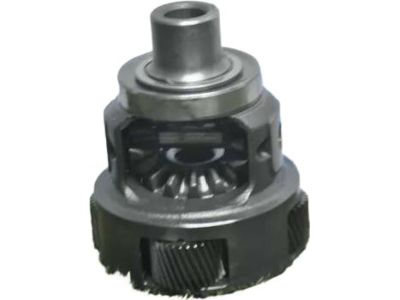
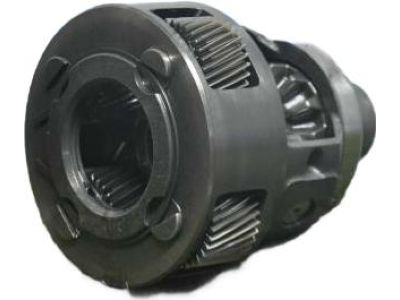
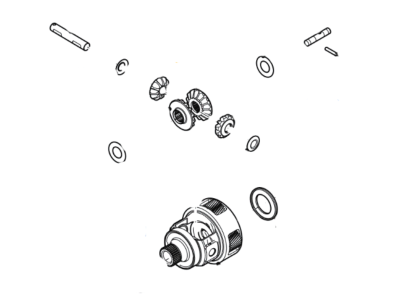
Starting with 2008 models, AWD cars use an ATCC that sends most power to the front wheels by default but can switch the power if it spots wheel slipping. When it sees tire movement, the ATCC system turns up power to the rear wheels and checks vehicle conditions on the go, all through a rear axle clutch that runs on electricity. You can't repair the ATCC because it works on its own and isn't controlled by a mode selector or your input. Even its electric solenoid needs the entire rear axle replaced if something breaks. Before working on the differential, lift the rear of your vehicle and use jackstands to hold it in place. Don't let it roll by blocking your front wheels. Separate the driveshaft and driveaxles, move the rear stabilizer aside on Five Hundred and Montego models, and place it forward for easier work clearance. While maintaining support under the differential with a jack, remove and detach all electrical connections. First take off the four bolts holding the differential to the subframe, loosen the front mounting brackets to get space, and then remove the six bolts from the rear brackets. Secure the stationary floor jack beneath the differential. Cut off the leftover power wires and drop down the floor jack for support. The installation follows the exact opposite steps used for disassembly, making sure all screws get tightened to the correct pressure.