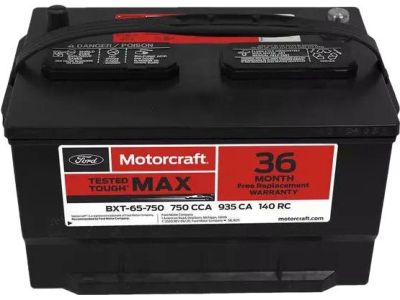
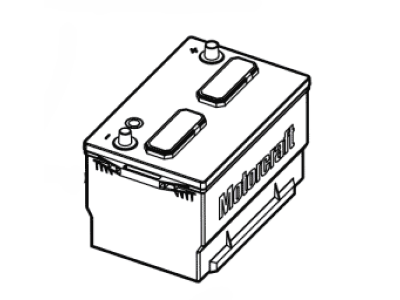
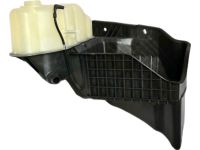
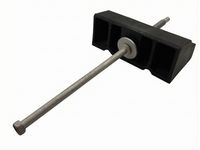
In other words, an accurate battery test cannot be done when the battery's charge is not full or nearly full. Disconnect the negative battery cable and perform the following tests: check the indicator eye on the battery: if covered with dark colour charge the battery and also check its electrolyte level and add distilled water if low but do not over-fill it. Using a hydrometer check the specific gravity of the electrolyte, the figure should be about 1.270 at 68 degrees F if not, charge the battery. The simple test you can perform on the battery is the open circuit voltage test in which you connect a digital voltmeter to the battery terminals; In this case, a fully charged battery should read 12.5 volts. Performing an accurate battery load test entails use of a load tester, capable of determining how the battery performs when subjected to heavy amperage draw; the maintain the value for load for fifteen seconds and seen that the voltage value does not drop below 9.6 volts while factoring certain lows temperatures. To see that there is a steady drain on the electrical system pull all accessories, connect a digital ammeter between the negative battery cable clamp and negative battery post the normal draw is about 100 milliamps or less of course anything above suggest a possible problem. To prevent shorting, always remove the negative cable first and the attach it at the end while replacing the battery. Negative and positive cables should be disconnected, battery cover and hold-down clamp should be remove and also tow bar should be used to lift the battery using a lifting strap for safety. Check for signs of corrosion in the battery tray and clean this if you are going to replace the battery, this should be of the standards of the original equipment producer. Installation is done in the reverse order to removal, once the cables have been connected the connections should be lightly coated with petroleum jelly or grease to reduce chances of corrosion.