

My Garage
My Account
Cart
This part fits
2007 Ford F-150
Check another vehicle- Production Date: 08/2005-12/2014
Ford 6L3Z-14B004-AA Sensor Assembly
2004-2008 Ford 6L3Z14B004AA
Customer Questions & Expert Answers (2)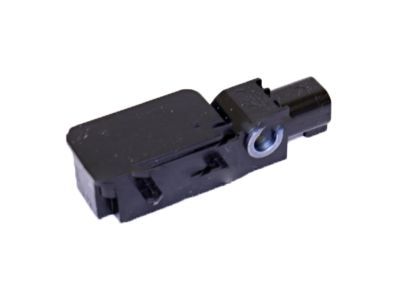
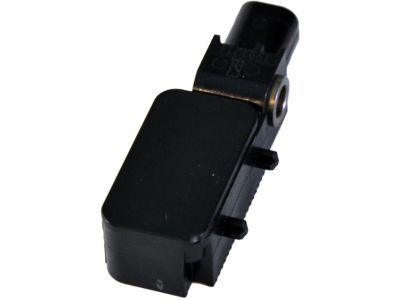
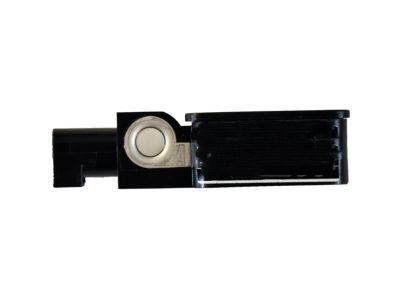
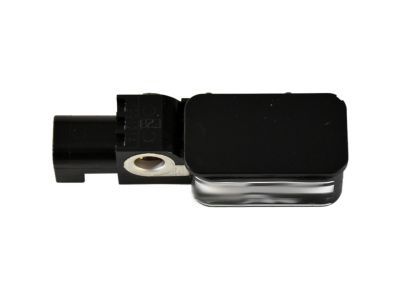
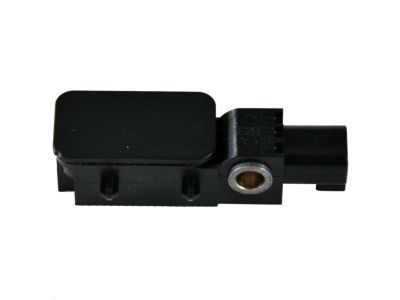
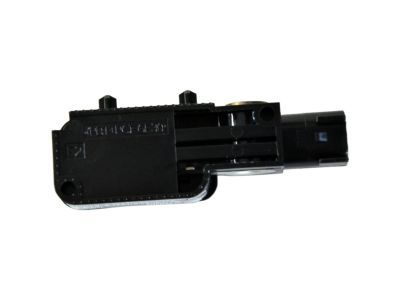
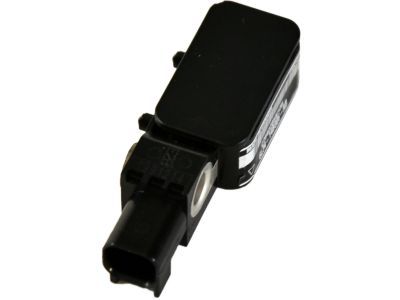
- Part DescriptionSensor Assy
- Base No.14B004
- Replaces
- ManufacturerFord
This part fits
2007 Ford F-150
Check another vehicle- Production Date: 08/2005-12/2014
Currently Unavailable
Due to manufacturer supply shortage, this item isn't currently available for ordering.
- Related Parts
- Specifications
- Q&A
Product Specifications
Brand Genuine Ford Base No. 14B004 Manufacturer Part Number 6L3Z-14B004-AA, 6L3Z14B004AA Part Description Sensor Assy Other Names Front Sensor, Impact Sensor Item Dimensions 4.1 x 4.1 x 4.1 inches Item Weight 0.40 Pounds Condition New Fitment Type Direct Replacement Replaces 4L3Z-14B004-AA Manufacturer Ford SKU 6L3Z-14B004-AA Warranty This genuine Ford part is guaranteed by Ford's factory warranty. Shipping & Return Shipping Policy Return Policy Warning: California's Proposition 65Customer Questions & Expert Answers
- Q:Can you tell me if this part is correct for my car? Posted by FordPartsGiant Specialist
- A:You can Select Your Vehicle to check if 6L3Z-14B004-AA fits your vehicle.Posted by FordPartsGiant Specialist
- Installation and Repair Tips by AI Expert
- Removal: 1. Park on a level surface, place the ignition OFF, apply the parking brake, and wear safety glasses and gloves. 2. Disconnect the negative battery cable (and follow any vehicle-specific battery isolation procedure) and wait the manufacturer-recommended time for the supplemental restraint system (SRS) capacitors to discharge. 3. Remove any trim, carpet, seats, or access panels necessary to reach the air bag sensor, taking care not to cut or damage wiring. 4. Document or mark the sensor orientation and the routing of any wiring or brackets so reinstallation matches the original position. 5. Unclip and gently release the sensor electrical connector(s) using appropriate terminal release tools; do not pull on wires. 6. Remove the sensor mounting fastener(s) and separate the sensor from its bracket or mount-do not force or pry against the sensor body. 7. Inspect the sensor, mounting area, and connector for physical damage, corrosion, or contamination before installation. 8. Store the removed sensor on a clean, nonconductive surface and avoid impact, heat, or static exposure. Installation: 1. Position the replacement sensor in the same orientation and location documented during removal; ensure mounting surfaces are clean and dry. 2. Install the sensor on its bracket and secure with the original or manufacturer-recommended fasteners; tighten to the vehicle manufacturer's specified torque. 3. Reconnect the sensor electrical connector(s) until fully seated and latched; verify locking tabs engage. 4. Reinstall any removed trim, seats, carpet, or access panels, routing wiring as originally found. 5. Reconnect the battery negative cable and follow any vehicle-specific reconnection procedure. 6. Use an appropriate scan tool to check the SRS system, clear any stored codes, and confirm the air bag warning lamp behaves normally; if the warning lamp remains on or codes persist, do not drive the vehicle and obtain professional diagnosis. 7. After confirming no faults, perform any required functional checks or a short test drive as recommended by diagnostic results. Repair tip: Always replace sensors that were subjected to a crash, and keep connectors clean and dry; if screw or bolt condition is poor, use replacement hardware specified by the manufacturer.
- Q:
Why choose Ford Parts Giant
- Dedicated Service
Your complete satisfaction is our #1 goal
- Lowest Prices
Best deals on genuine OE parts from dealerships
- Fast Delivery
Orders are processed and delivered promptly