

My Garage
My Account
Cart
Additional information needed to check if this part fits
2016 Ford Fiesta
Check another vehicle- Fitting Vehicle Options: 6-Speed Manual Transmission - B6
- Production Date: From 06/2013
Ford AV6Z-7137-A Countershaft 3rd Speed Gear
2014-2019 Ford Fiesta AV6Z7137A
Customer Questions & Expert Answers (2)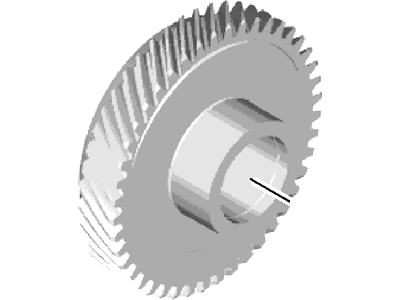
- Part DescriptionGear - Countershaft 3rd Speed
- 3rd Gear
- Base No.7137
- ManufacturerFord
Additional information needed to check if this part fits
2016 Ford Fiesta
Check another vehicle- Fitting Vehicle Options: 6-Speed Manual Transmission - B6
- Production Date: From 06/2013
$55.80 MSRP: $81.58
You Save: $25.78 (32%)
Ships in 1-3 Business Days
1
- Related Parts
- Specifications
- Q&A
Product Specifications
Brand Genuine Ford Base No. 7137 Manufacturer Part Number AV6Z-7137-A, AV6Z7137A Part Description Gear - Countershaft 3rd Speed Manufacturer Note 3rd Gear Item Dimensions 5.3 x 4.4 x 2.2 inches Item Weight 2.10 Pounds Condition New Fitment Type Direct Replacement Manufacturer Ford SKU AV6Z-7137-A Warranty This genuine Ford part is guaranteed by Ford's factory warranty. Shipping & Return Shipping Policy Return Policy Warning: California's Proposition 65Customer Questions & Expert Answers
- Q:Will these fit my car and if not which part will? Thank you. Posted by FordPartsGiant Specialist
- A:You can Select Your Vehicle to check if AV6Z-7137-A fits your vehicle.Posted by FordPartsGiant Specialist
- Installation and Repair Tips by AI Expert
- Removal: 1. Park vehicle on level ground, chock wheels, engage parking brake, wear eye protection and gloves. 2. Raise and securely support the vehicle with jack stands where needed to access the driveline and transfer case area. 3. Allow drivetrain to cool if hot and place drip pans under the unit to catch fluid. 4. Disconnect the negative battery cable and isolate the battery before touching any electrical connectors. 5. Label and disconnect any electrical connectors, sensors, and vacuum lines attached to the transfer case or nearby components. 6. Support the transmission/transfer case assembly with a suitable jack or support before removing any mount hardware. 7. Remove or unbolt driveline components that connect to the transfer case (examples: front/rear driveshaft, half-shafts, shift linkage), noting that specific fasteners and locations vary by design. 8. Remove mount fasteners and any brackets securing the transfer case; carefully lower the unit while supporting its weight-do not rely on the jack alone. 9. Inspect mating surfaces and surrounding components for damage and note any seals, gaskets, or clips that will need replacement. 10. Drain remaining transfer case fluid into an approved container and dispose of it according to local regulations. Installation: 1. Clean mating surfaces thoroughly and install new seals/gaskets as required; ensure replacement parts match the original design. 2. Support the transfer case on the jack and position it into place, aligning it carefully to avoid damaging input/output splines; alignment methods may vary by design. 3. Install mount fasteners and brackets loosely at first to allow final positioning, then snug progressively (follow manufacturer tightening sequence and specs from a service manual). 4. Reconnect driveline components (driveshafts, axles, linkages), ensuring proper seating and any alignment marks are matched where applicable. 5. Reconnect electrical connectors, sensors, and vacuum lines to their original locations and ensure clips/retainers are secure. 6. Reconnect the negative battery cable. 7. Refill the transfer case with the correct fluid type and amount per manufacturer instructions and check for leaks. 8. Lower the vehicle, start the engine, and cycle through gears (or run at idle) to allow fluid circulation and to verify there are no warning lights or abnormal noises. 9. Perform a short, careful road test to confirm proper operation of the drivetrain and recheck for leaks and fastener security after the test. Repair tip: 1. Replace any crush washers, drain/fill plug gaskets, and fasteners that are single-use; always inspect bearings and seals while the unit is out and replace questionable components to avoid rework.
- Q:
Why choose Ford Parts Giant
- Dedicated Service
Your complete satisfaction is our #1 goal
- Lowest Prices
Best deals on genuine OE parts from dealerships
- Fast Delivery
Orders are processed and delivered promptly