

My Garage
My Account
Cart
Additional information needed to check if this part fits
2003 Ford Expedition
Check another vehicle- Fitting Vehicle Options: 8 Cyl 5.4L Modular SOHC
- Production Date: 03/2002-06/2017
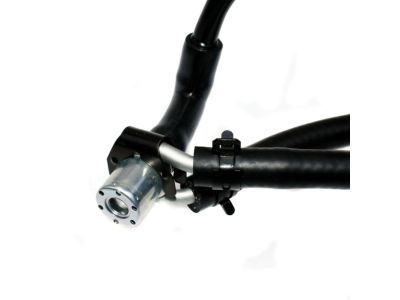
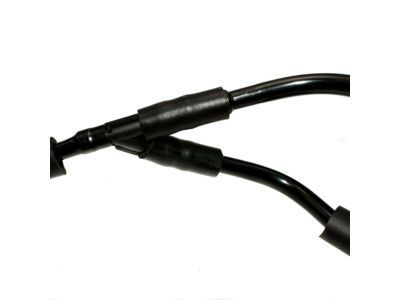
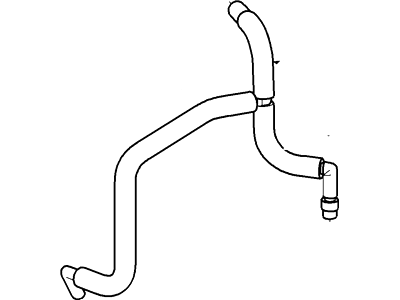
Ford 2L3Z-6C324-AA Pcv Hose Connector Tube For Heritage
2002-2004 Ford 2L3Z6C324AA
Customer Questions & Expert Answers (3)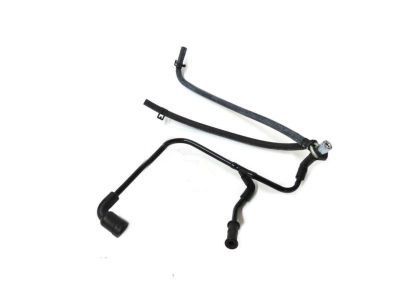
- Part DescriptionConnector
- Base No.6C324
- ManufacturerFord
Additional information needed to check if this part fits
2003 Ford Expedition
Check another vehicle- Fitting Vehicle Options: 8 Cyl 5.4L Modular SOHC
- Production Date: 03/2002-06/2017
$72.45 MSRP: $105.92
You Save: $33.47 (32%)
Currently UnavailableDue to manufacturer supply shortage, this item isn't currently available for ordering.
- Related Parts
- Specifications
- Q&A
Product Specifications
Brand Genuine Ford Base No. 6C324 Manufacturer Part Number 2L3Z-6C324-AA, 2L3Z6C324AA Part Description Connector Manufacturer Note With heated PCV; Includes hoses & PCV Item Dimensions 9.5 x 3.1 x 17.7 inches Item Weight 3.30 Pounds Condition New Fitment Type Direct Replacement Manufacturer Ford SKU 2L3Z-6C324-AA Warranty This genuine Ford part is guaranteed by Ford's factory warranty. Shipping & Return Shipping Policy Return Policy Warning: California's Proposition 65Customer Questions & Expert Answers
- Q:I am wondering if this is the exact part that fits in Posted by FordPartsGiant Specialist
- A:You can Select Your Vehicle to check if 2L3Z-6C324-AA fits your vehicle.Posted by FordPartsGiant Specialist
Installation and Repair Tips- Q:What is the importance of regular inspection of PCV Hose,rubber and plastic hoses in the engine, accessory, and emission systems on Ford Expedition? Posted by Customer
- A:Regular inspection of rubber and plastic hoses in the engine, accessory, and emission systems is crucial due to the potential deterioration caused by high under-hood temperatures. These hoses should be checked for cracks, loose clamps, material hardening, and leaks. Many hoses are secured with clamps, so ensure these clamps haven't lost tension, which could lead to leaks. For hoses without clamps, verify that they haven't expanded or hardened where they connect to fittings. The PCV system hose carries crankcase blow-by gas to the intake manifold through the PCV valve to reduce hydrocarbon emissions. Examine this hose for damage, cracks, or leaks, and clear any obstructions if it's clogged. Vacuum hoses, often color-coded, play a crucial role in the emissions system; thus, their condition and proper material matching are essential. When checking them, label hoses and fittings if multiple hoses are removed. Inspect plastic T-fittings for cracks and hoses for distortion. A small vacuum hose piece can be used as a stethoscope to detect leaks by listening for hissing sounds. Fuel hoses, typically pressurized, require caution when disconnecting. Check flexible fuel lines for chafing, deterioration, and cracks, especially in bending areas and near fittings. Only use hose specifically designed for your fuel injection system when replacing. Spring-type clamps on fuel lines may lose tension over time, so replace them with screw clamps when changing hoses. Metal lines, common for fuel lines between the fuel pump and injection unit, should be carefully inspected for bending, crimps, or cracks. If replacement is necessary, use seamless steel tubing for its strength. Lastly, inspect metal brake lines at entry points to the master cylinder and brake proportioning unit for cracks and loose fittings, addressing any brake fluid leaks promptly with a comprehensive brake system inspection.Posted by FordPartsGiant Specialist
- Additional Installation and Repair Tips by AI Expert
- Removal steps 1. Park on level ground, set the parking brake, wear eye protection and gloves, and let the engine cool until safe to work on. 2. Disconnect the negative battery terminal to reduce electrical risk. 3. Visually locate the PCV valve hose by tracing the hose from the valve cover to the intake or vacuum fitting; consult a manual if uncertain. 4. Relieve crankcase pressure by removing the oil filler cap or following the vehicle's recommended procedure before disconnecting the hose. 5. Photograph or label the hose orientation and clamp positions to ensure correct reassembly. 6. Loosen or remove the hose clamps (style varies by vehicle) and carefully twist while pulling to separate the hose from fittings; avoid prying on plastic components. 7. Remove the hose and, if applicable, the PCV valve; inspect both for cracks, hardening, oil saturation, or clogging. 8. Plug or cover open ports to prevent dirt entry and clean mating surfaces of oil and debris. Installation steps 1. Confirm the replacement hose and any new clamps match the original in material, inside diameter, and length. 2. If reinstalling or replacing the PCV valve, ensure it is oriented correctly and seated per its design. 3. Lightly lubricate hose ends with a small amount of clean engine oil or a manufacturer-compatible lubricant to ease installation. 4. Route the hose in the same path as the original, avoiding kinks, sharp edges, and proximity to hot components. 5. Push hose ends fully onto their fittings until seated, then install clamps in the original positions and tighten securely by hand or with the appropriate tool-do not over-tighten. 6. Remove any covers or plugs used to protect openings and reconnect the negative battery terminal. 7. Start the engine and observe idle quality and listen for hissing or leaks; visually inspect hose ends and clamps for signs of leakage. 8. After a short run or test drive, recheck the hose routing and clamp security and look for oil or vacuum leaks. 9. Repair tip: replace clamps and the PCV valve when the hose shows age or contamination; keep hose routing clear of exhaust and moving parts to extend life.
- Q:
Why choose Ford Parts Giant
- Dedicated Service
Your complete satisfaction is our #1 goal
- Lowest Prices
Best deals on genuine OE parts from dealerships
- Fast Delivery
Orders are processed and delivered promptly