

My Garage
My Account
Cart
This part fits
2013 Ford Mustang
Check another vehicle- Production Date: 09/2004-06/2014
Ford BR3Z-14526-AA Circuit Breaker Assembly
2005-2014 Ford Mustang BR3Z14526AA
Customer Questions & Expert Answers (2)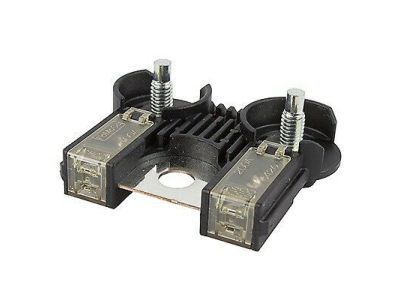
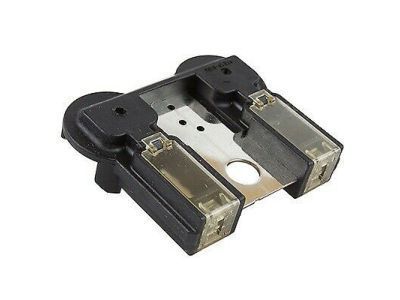
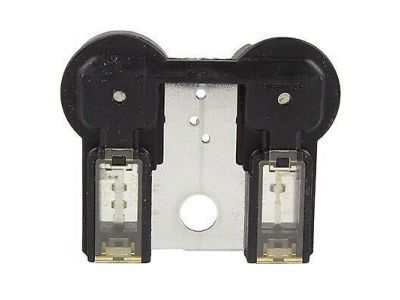
- Part DescriptionCircuit Breaker Assembly
- 100 Amp , 200 Amp , 32 Volt , Serviced As An Assembly Only
- Base No.14526G
- ManufacturerFord
This part fits
2013 Ford Mustang
Check another vehicle- Production Date: 09/2004-06/2014
$15.71 MSRP: $25.45
You Save: $9.74 (39%)
1
- Related Parts
- Specifications
- Q&A
Product Specifications
Brand Genuine Ford Base No. 14526G Manufacturer Part Number BR3Z-14526-AA, BR3Z14526AA Part Description Circuit Breaker Assembly Other Names Circuit Breaker Item Dimensions 5.1 x 5.1 x 1.5 inches Item Weight 0.40 Pounds Condition New Fitment Type Direct Replacement Manufacturer Ford SKU BR3Z-14526-AA Warranty This genuine Ford part is guaranteed by Ford's factory warranty. Shipping & Return Shipping Policy Return Policy Warning: California's Proposition 65Customer Questions & Expert Answers
- Q:Can you tell me if this part is correct for my car? Posted by FordPartsGiant Specialist
- A:You can Select Your Vehicle to check if BR3Z-14526-AA fits your vehicle.Posted by FordPartsGiant Specialist
- Q:What are fuses and how do they function in electrical circuits on Ford Mustang? Posted by Customer
- A:The electrical circuits of the vehicle are safeguarded by a combination of fuses, circuit breakers, and fusible links, with two fuse and relay boxes present, one in the engine compartment and another inside the vehicle behind the right kick panel. Each fuse protects a specific circuit, and the circuits are identified on the fuse panel cover. Miniaturized fuses with blade-type terminals are used in the fuse block, allowing for easy removal and installation without special tools. To check a fuse, use a test light to verify power at the terminal tips; if power is present on one side but not the other, the fuse is blown, which can also be confirmed visually. It is crucial to replace blown fuses with the correct type, as using a fuse with a different rating can compromise circuit protection. If a replacement fuse fails immediately, the underlying issue, often a short circuit due to damaged wiring, should be addressed before further replacements. Fusible links function similarly to fuses by melting to break the circuit when the electrical load exceeds safe levels, typically found in the wiring harness to the alternator. Despite appearing heavier, a fusible link is actually smaller in gauge than the wire it protects, and if it melts, the cause must be identified to prevent recurrence. To replace a burned fusible link, cut out the old one, splice in a new link of the same gauge, and ensure proper soldering and insulation of the connections. If the correct fusible link is unavailable, replacing the entire cable between the battery and the alternator may be necessary.Posted by FordPartsGiant Specialist
If you have any questions about this product, please don't hesitate to ask us. We will be happy to help you!- Q:
Why choose Ford Parts Giant
- Dedicated Service
Your complete satisfaction is our #1 goal
- Lowest Prices
Best deals on genuine OE parts from dealerships
- Fast Delivery
Orders are processed and delivered promptly