Make sure this part fits

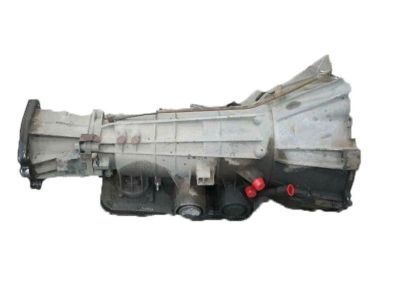
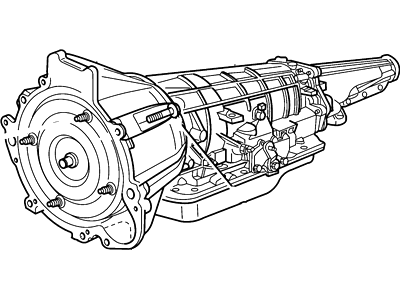
Ford 1L5Z-7000-EA Automatic Transmission Assembly

2001-2005 Ford 1L5Z7000EA

Customer Questions & Expert Answers (4)
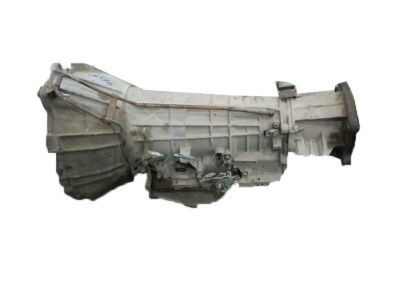
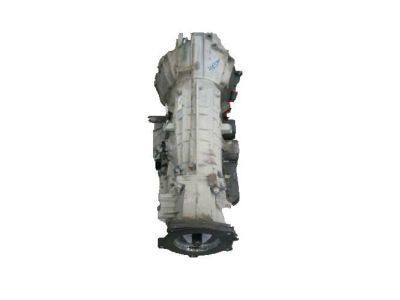
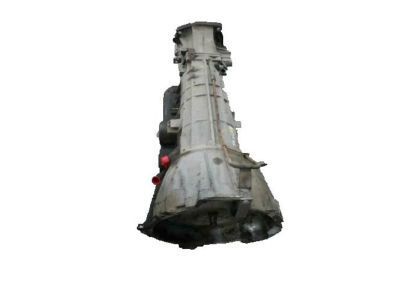
1L5Z-7000-EA Ford Automatic Transmission Assembly Product Photo 1 of 4
  • Part Description
    Automatic Transmission Assy
  • Replaced By
    1L5Z-7V000-ERM
  • Manufacturer
    Ford
Make sure this part fits
$3379.88 MSRP: $3998.67
You Save: $618.79 (16%)
Core Charge: $1000.00
Ships in 1-3 Business Days
1
ADD TO CART
  • Related Parts
  • Specifications
  • Fitment
  • Q&A
  • Product Specifications

    BrandGenuine Ford
    Manufacturer Part Number1L5Z-7000-EA, 1L5Z7000EA
    Part DescriptionAutomatic Transmission Assy
    Item Dimensions25.5 x 23.2 x 44.8 inches
    Item Weight204.00 Pounds
    ConditionNew
    Fitment TypeDirect Replacement
    ManufacturerFord
    SKU1L5Z-7000-EA
    WarrantyThis genuine Ford part is guaranteed by Ford's factory warranty.
    Shipping & ReturnShipping Policy Return Policy
    Warning: California's Proposition 65
  • Vehicle Fitment

    Year Make Model Engine Important vehicle option details
    2001-2003 Ford Explorer Sport6 Cyl 4.0L SOHC EFI5-Speed Automatic Transmission - 5R44E/5R55E, Four-Wheel Drive (Part Time) (Left Hand Drive), Left Hand Drive
    2001-2005 Ford Explorer Sport Trac6 Cyl 4.0L SOHC EFI5-Speed Automatic Transmission - 5R44E/5R55E, Four-Wheel Drive, Left Hand Drive
    2001-2003 Ford Ranger6 Cyl 4.0L5AT 5R44E
  • Customer Questions & Expert Answers

    Q:
    Does the PN fit my vehicle? Posted by FordPartsGiant Specialist
    A:
    You can Select Your Vehicle to check if 1L5Z-7000-EA fits your vehicle.
    Posted by FordPartsGiant Specialist
    Q:
    How to remove and install the Transmission Assembly on the Ford Explorer Sport Trac? Posted by Customer
    A:
    First reverse the ground wire, then lift up the vehicle safely with jack stands in place. Turn off your Automatic Ride Control system's switch if you have one. Empty and put back the transmission fluid pan. For 4WD models, remove the transfer case. Move the starter aside and thread string through it to fix it in place while you use the starter's mounting hole to access the nuts on the torque converter. Put a small dot with white paint on both the torque converter and one of its mounting bolts, to help you put them back together correctly later. Loosen the four torque converter-to-drive plate nuts by turning the crankshaft counterclockwise. To take out 2WD driveshafts, loosen the extension housing and plug it tightly. When working on early 2WD models, release the speedometer cable wrap by removing its clamp, and disconnect the speedometer cable at the end. On later models, just disconnect the electrical connector connected to the VSS. When working on early models of the transmission, take the time to remove the cables that operate shifting and kickdown. Unplug all electrical connectors from different mechanisms and place the transmission electrical system wires out of the way. Set up a transmission jack underneath, press down on it, and attach safety chains to hold everything steady. To get engine support, take out the transmission mount and cross member, using a block under the oil pan and a jack for the engine. Take off four bolts from underneath the transmission then disconnect its oil cooling lines. Lower the engine and transmission just a little. Before you remove the fluid dipstick tube, take care to free up all the bolts holding it in place. Twist the transmission into place on the jack, then unscrew the two top bolts that connect the transmission with the engine. Slide the transmission backward while watching carefully, relieving it from the engine block pins while making sure the drive plate detachment happens with the torque converter. When installing, do the opposite of what you did to remove: make sure the converter wheel fully locks into the next piece, straightens the mounting holes for the mounting screws and bolt hole, and handles the transmission steadily. Line up the studs with holes in the drive plate, guide the transmission to fit, check with painted marks as guides, and attach drive plate-to-converter bolts, torque them to meet specifications. Rephrase the shift cable, let the car hang from stands below, fill your transmission with proper fluid, start engine, and search for fluid leaks.
    Posted by FordPartsGiant Specialist
    Q:
    How to remove and install the Transmission Assembly on a Ford Ranger? Posted by Customer
    A:
    Disconnect the negative cable from the battery and remove the transmission fluid level dipstick, along with the dipstick tube on 2011 4.0L models. Raise the vehicle and support it securely on jackstands. For 4WD models, remove the transfer case and take caution to remove the Vehicle Speed Sensor (VSS) from the transfer case. Drain the transmission fluid only if disassembling the transmission, then reinstall the pan; otherwise, you may face disposal issues. Mark one of the torque converter studs and the driveplate with white paint for reassembly. Unbolt the starter and tie it up out of the way. On vehicles with a 3.0L V6 engine, remove the transmission access cover from the converter housing to access the torque converter nuts, using the starter mounting hole for four-cylinder and 4.0L V6 engines. For 2001 and later 2.3L engines, accessing the torque converter nuts through the wheel well may be easier. Remove the four torque converter-to-driveplate nuts, turning the crankshaft clockwise for access, and consider removing the spark plugs for ease. On 2WD models, remove the driveshaft and cover the extension housing with a plastic bag to prevent dirt entry and catch residual fluid. Remove the speedometer cable retaining bracket and disconnect the speedometer cable from the transmission. Disconnect the shift cable from the manual shift lever, the transmission range sensor connector, the 16-pin transmission connector, and any other electrical connectors and brackets attached to the transmission. Place a transmission jack beneath the transmission, applying pressure to slightly raise it, and use safety chains for stability. Remove the bolts and nuts securing the rear mount and insulator to the frame crossmember, then remove the crossmember-to-frame side support mounting bolts and the crossmember itself. Support the engine with a jack, using a block of wood under the oil pan. For V6 engines, remove the catalytic converter. Slightly lower the transmission, ensuring it does not hang free. Disconnect the transmission oil cooler lines and plug them to prevent dirt entry, using a flare nut wrench to avoid rounding off the nuts. Remove the lower converter housing-to-engine bolts and the transmission fluid filler tube. Ensure the transmission is securely mounted on the jack before removing the two upper converter housing-to-engine bolts and the vent tube for 4WD models. Remove the four side converter housing-to-engine bolts, then carefully move the transmission rearward to disengage it from the engine block dowel pins, ensuring the torque converter is detached from the driveplate. Secure the torque converter to the transmission to prevent it from falling out during removal. Installation is the reverse of removal, ensuring the converter hub is fully engaged in the pump gear, aligning the bolt drive lugs and drain plug with the holes in the driveplate, and keeping the transmission level during positioning. Align the studs with the holes in the driveplate, ensuring the white paint marks line up, and carefully move the transmission forward until the dowel pins and torque converter are engaged. When installing the driveplate-to-converter nuts, position the driveplate so the pilot hole is at six o'clock, install one nut through the pilot hole and tighten it, then install the remaining nuts, tightening them to the specified torque with new nuts. Adjust the shift cable, lower the vehicle, and fill the transmission with the specified fluid, running the engine to check for leaks.

    Posted by FordPartsGiant Specialist
    Q:
    How to remove and install a Transmission Assembly on the Ford Ranger? Posted by Customer
    A:
    Disconnect the negative cable from the battery and remove the transmission fluid level dipstick, along with the dipstick tube on 2011 4.0L models. Raise the vehicle and support it securely on jackstands. For 4WD models, remove the transfer case and take caution to remove the Vehicle Speed Sensor from it. Drain the transmission fluid only if disassembling the transmission, then reinstall the pan; otherwise, proper disposal of the lubricant may be an issue. Unbolt the starter and tie it up out of the way. On vehicles with a 3.0L V6 engine, remove the transmission access cover from the converter housing to access the torque converter nuts, using the starter mounting hole for four-cylinder and 4.0L V6 engines. Mark the driveplate and one of the studs with white paint for proper reinstallation. Remove the four torque converter-to-driveplate nuts, turning the crankshaft clockwise for access to each nut, and consider removing the spark plugs for easier access. On 2WD models, remove the driveshaft and cover the extension housing with a plastic bag to prevent dirt entry and catch residual fluid. Remove the bolt securing the speedometer cable retaining bracket and disconnect the speedometer cable from the transmission if equipped. Disconnect the shift cable from the transmission manual shift lever, and for 1993 and 1994 models, disconnect the kickdown cable and detach the electrical connectors for the neutral safety switch and torque converter lockup solenoid. For 1995 and later models, disconnect the transmission range sensor connector, the 16-pin transmission connector, and any other electrical connectors and brackets attached to the transmission. Place a transmission jack beneath the transmission, apply pressure to slightly raise it, and use safety chains for stability. Remove the bolts and nuts securing the rear mount and insulator to the frame crossmember, then remove the crossmember-to-frame side support mounting bolts and the crossmember itself. Support the engine with a jack using a block of wood under the oil pan to spread the load. On V6 engines, remove the catalytic converter. Slightly lower the transmission, ensuring it does not hang free, and disconnect the transmission oil cooler lines, plugging them to prevent dirt entry. Remove the lower converter housing-to-engine bolts and the transmission fluid filler tube. Ensure the transmission is securely mounted on the jack, then remove the two upper converter housing-to-engine bolts and the vent tube attached to the top of the transmission for 4WD models. For 1995 and later models, remove the four side converter housing-to-engine bolts. Carefully move the transmission to the rear to disengage it from the engine block dowel pins, ensuring the torque converter is detached from the driveplate and secured to the transmission. Installation is the reverse of removal, ensuring the converter hub is fully engaged in the pump gear, aligning the bolt drive lugs and drain plug with the holes in the driveplate, and keeping the transmission level during positioning. Align the studs with the holes in the driveplate using the white paint marks for reference, move the transmission forward until engaged, and install the driveplate-to-converter nuts with the pilot hole in the six o'clock position. Adjust the shift cable, lower the vehicle, and fill the transmission with the specified fluid, running the engine to check for leaks.

    Posted by FordPartsGiant Specialist
    If you have any questions about this product, please don't hesitate to ask us. We will be happy to help you!

Genuine Ford Part 1L5Z-7000-EA, the Right Choice

To ensure reliability, purchase part # 1L5Z-7000-EA Automatic Transmission Assembly. It is also called Transmission Assembly. OEM parts are of high quality and known for their longevity. This is because they are built to the Ford standards which are relatively high and undergo rigorous quality control testing. This part fits specific Ford Explorer Sport, Explorer Sport Trac, Ranger models.

FordPartsGiant.com is a leading supplier of genuine components and accessories such as 1L5Z7000EA Automatic Transmission Assembly. Looking to purchase quality low-cost OEM Ford parts? You have just found the right place. For detailed Ford parts information, click here.

Why choose Ford Parts Giant

  • Dedicated Service

    Your complete satisfaction is our #1 goal

  • Lowest Prices

    Best deals on genuine OE parts from dealerships

  • Fast Delivery

    Orders are processed and delivered promptly