My Garage
My Account
Cart
Genuine Mercury Mariner Fuel Pressure Sensor
Fuel Tank Pressure Sensor- Select Vehicle by Model
- Select Vehicle by VIN
Select Vehicle by Model
orMake
Model
Year
Select Vehicle by VIN
For the most accurate results, select vehicle by your VIN (Vehicle Identification Number).
1 Fuel Pressure Sensor found
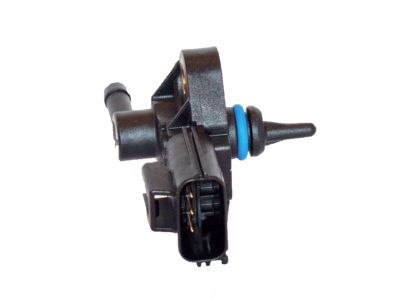
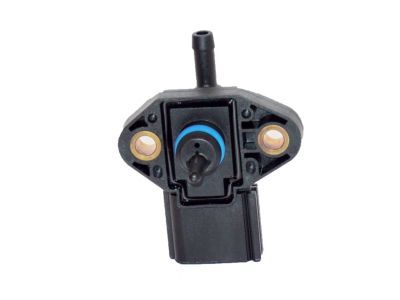
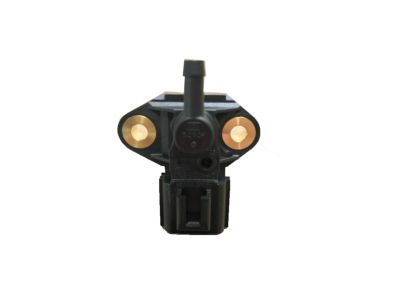
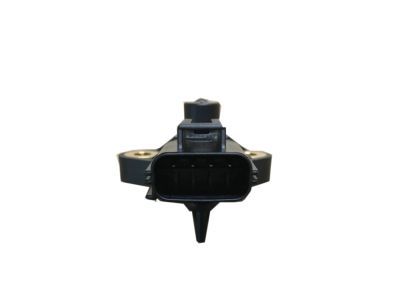
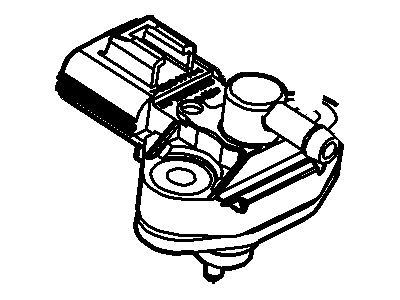
Mercury Mariner Pressure Sensor
Part Number: 3F2Z-9G756-AC$89.34 MSRP: $144.73You Save: $55.39 (39%)Ships in 1 Business Day
Mercury Mariner Fuel Pressure Sensor
The Fuel Pressure Sensor detects the pressure within the fuel system to start the SUV quickly and run it efficiently. Depending on the model year, the fuel rail or tank mounted sensor contacts a powertrain control module for pressure data, which modulates the injector timing and pump output for the right air fuel mix in real time. Across Mercury Mariner production, there are basically two styles of sensor. A rail mounted Fuel Pressure Sensor measures the pressure inside the rail, and a tank mounted version often called a Fuel Pressure Sensor measures vapor and liquid pressure inside the sealed tank to detect leaks. Both types of sensors have a similar purpose, but they differ in location and the particular pressure zone they sample. Rail units, for example, focus on delivery to the engine while tank units support evaporative emissions monitoring. When either Fuel Pressure Sensor fails, the driver could experience hard starts, acceleration issues, poor mileage, or a check engine lamp. Therefore, a timely inspection will safeguard your Mercury's performance and keep your Mercury Mariner running smoothly. Regularly checking the Fuel Pressure Sensor on any Mercury Mariner prevents false signals that could trick the computer into over or under fueling. The Fuel Pressure Sensor provides accurate readings when the connection is clean.
We provide a wide range of Mercury Mariner Fuel Pressure Sensor at the optimal prices. If you need Mercury Mariner Fuel Pressure Sensor, you can shop with confidence on our website. All our OEM parts come with a manufacturer's warranty and are delivered to your doorstep with a fast delivery service.
Mercury Mariner Fuel Pressure Sensor Parts Questions & Experts Answers
- Q:What is the purpose and function of the Evaporative Emissions Control system,Canister Purge Valve,Fuel Pressure Sensor and Vapor Canister on Mercury Mariner?A:When the EVAP system works, it holds back fuel vapor gases that aren't burned in the engine from entering the air we breathe. When it's warm outside, fuel vapors in the tank push up against the sealing cap, and when the pressure hits its limit, the fuel vapor vent valve lets these vapors escape in a controlled way down to the EVAP canister for temporary storage before being burned up while the car is running normally. The PCM first opens the canister purge valve when it detects certain circumstances, and then pulls fuel vapors from the canister into the engine's intake system. The EVAP canister, found under the vehicle against the left side, uses activated carbon to store fuel vapors without needing any upkeep. Along with the check valve and dust separator, the canister vent solenoid makes up the system together. The fuel tank pressure sensor senses the pressure inside the tank and tells the PCM what the reading is when it does an OBD-II leak test. The fuel vapor vent valve helps vapors enter the EVAP system, while the fuel vapor control valve keeps liquid fuel from reaching the canister when we fuel up. The canister vent solenoid stays open to let air through, but blocks the system during checks. The EVAP check valve lets out air from the tank during refueling. The PCM tells the canister purge valve when to let vapor move into the intake manifold. Problems with the EVAP system show themselves when you smell fuel, your car has trouble staying running, and pulls to one side while you drive, all caused by different system components going wrong. We can find out if fuel vapor pressure is too high by taking off the gas cap and listening to any air pressure that releases. Replacing the PCM needs us to turn off the battery, take off the parts that must be handled, then put and wire the PCM back in correctly to make it work well.