

My Garage
My Account
Cart
Genuine Lincoln Continental Thermostat
Engine Coolant Thermostat- Select Vehicle by Model
- Select Vehicle by VIN
Select Vehicle by Model
orMake
Model
Year
Select Vehicle by VIN
For the most accurate results, select vehicle by your VIN (Vehicle Identification Number).
9 Thermostats found
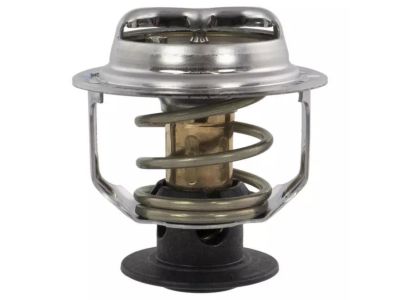
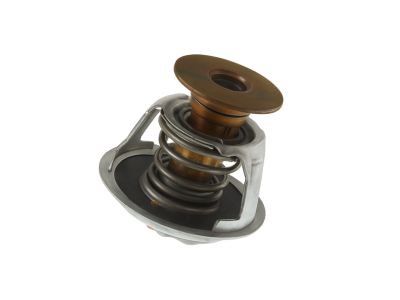

Lincoln Continental Thermostat Assembly
Part Number: 1X4Z-8575-B$19.22 MSRP: $27.27You Save: $8.05 (30%)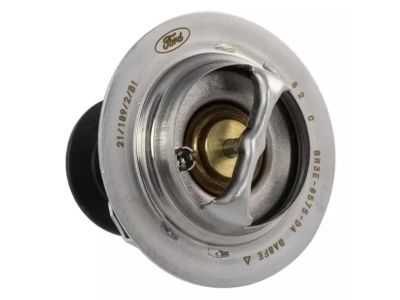
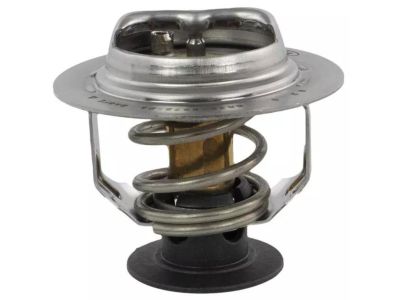
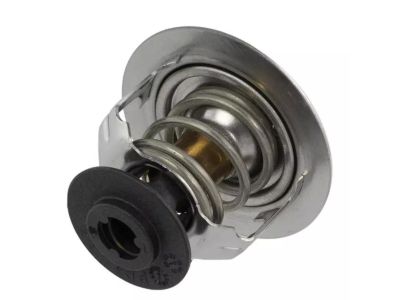
Lincoln Continental Thermostat Assembly
Part Number: BR3Z-8575-G$24.80 MSRP: $40.18You Save: $15.38 (39%)Ships in 1 Business Day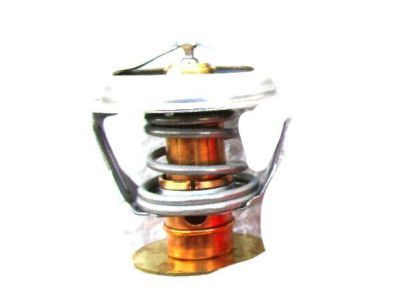
Lincoln Continental Thermostat Assembly
Part Number: 1X4Z-8575-A$17.10 MSRP: $27.27You Save: $10.17 (38%)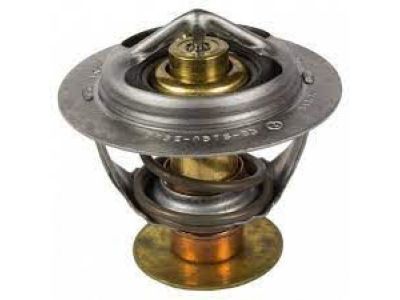
Lincoln Continental Thermostat Assembly
Part Number: BR3Z-8575-D$26.96 MSRP: $40.18You Save: $13.22 (33%)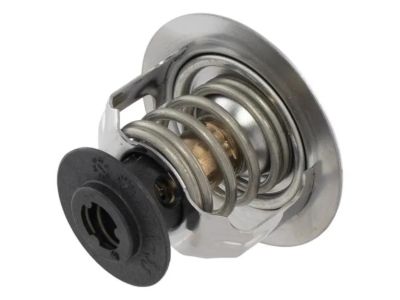
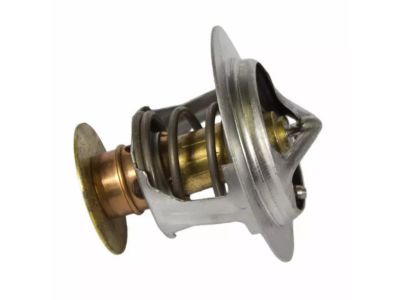
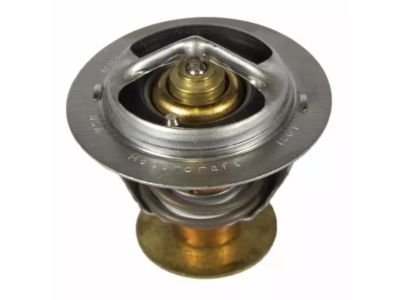
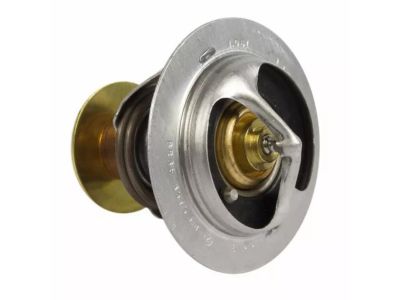
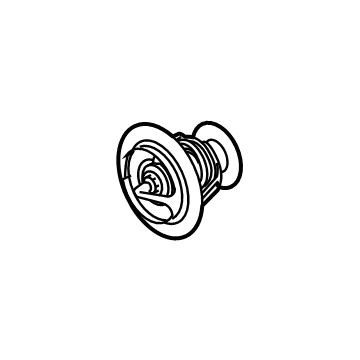
Lincoln Continental Thermostat Assembly
Part Number: BR3Z-8575-F$21.97 MSRP: $35.60You Save: $13.63 (39%)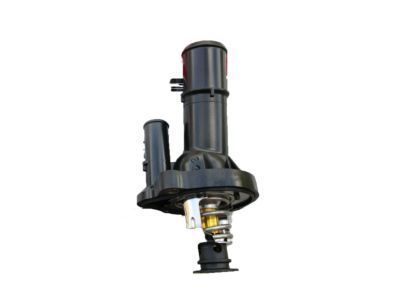
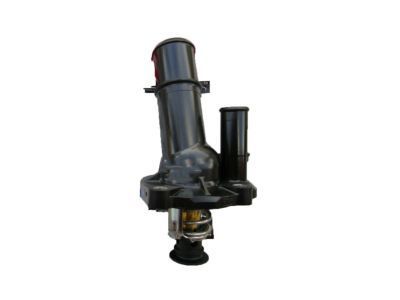
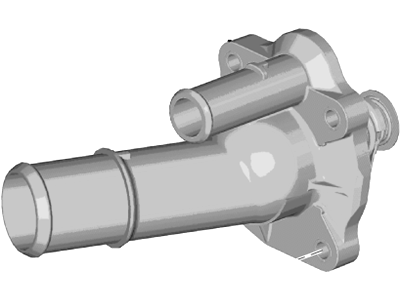
Lincoln Continental Thermostat Assembly
Part Number: FR3Z-8575-A$35.47 MSRP: $57.45You Save: $21.98 (39%)Ships in 1 Business Day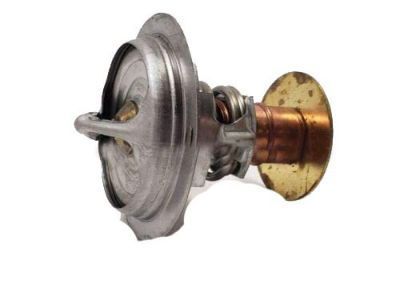
Lincoln Continental Thermostat Assembly
Part Number: F5OY-8575-A$12.59 MSRP: $20.40You Save: $7.81 (39%)Ships in 1-2 Business Days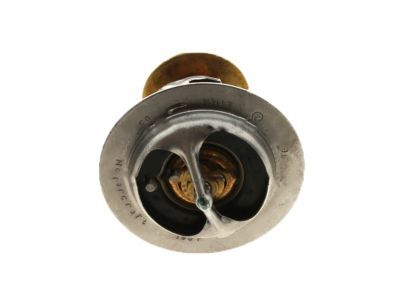
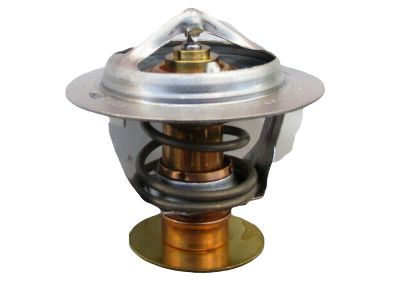
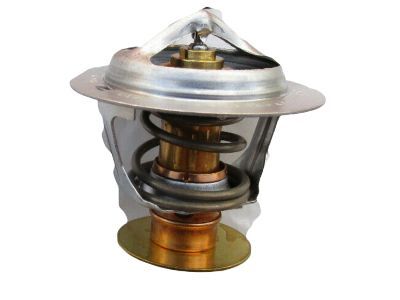
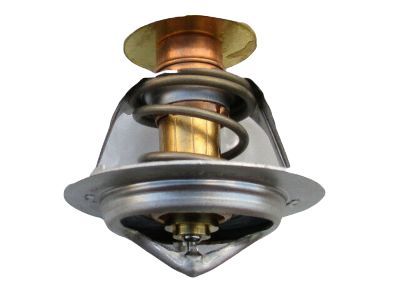
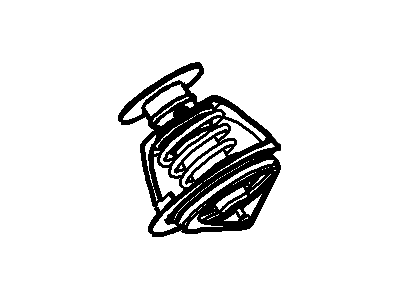
Lincoln Continental Thermostat Assembly
Part Number: BR3Z-8575-E$21.97 MSRP: $35.60You Save: $13.63 (39%)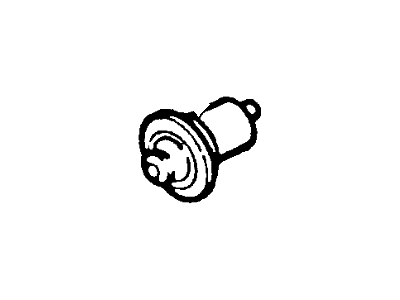
Lincoln Continental Thermostat Assembly
Part Number: F5DZ-8575-A$10.32 MSRP: $15.38You Save: $5.06 (33%)
Lincoln Continental Thermostat
The Thermostat is another component that is located in Lincoln Continental cars and is a part of the cooling system; normally, it is placed close to the radiator. It mainly plays the role of managing the temperature of the engine while enhancing its efficiency. Thermostats are feedback control devices that receive and compare a temperature set point and control the flow of heat transfer fluids to meet it. In the past, several kinds of thermostats have been used and these include: mechanical such as the bimetallic strips and wax pellet, pneumatic such as the air filled control tubes. The improvements include effective management of temperatures in different activities and aspects making them more comfortable besides improving the performance.
We provide a wide range of Lincoln Continental Thermostat at the optimal prices. If you need Lincoln Continental Thermostat, you can shop with confidence on our website. All our OEM parts come with a manufacturer's warranty and are delivered to your doorstep with a fast delivery service.
Lincoln Continental Thermostat Parts Questions & Experts Answers
- Q:How to replace a thermostat in a Lincoln Continental?A:When driving your vehicle built in 1997 or before, you need to have a thermostat because the engine won't run correctly at normal temperature, which impacts both your gas usage and how much pollution it creates. Before installing the new thermostat, make sure the coolant is at the right level and the drivebelt has the right amount of tension. Also, check if your temperature gauge is working correctly. The thermostat needs changing if your car's engine has trouble heating up. When your engine is running too warm, check the upper radiator hose first; if it's cooler than normal, the thermostat is probably closed and won't open up until you replace it. When you check the hose's temperature, passing coolant means the thermostat is open and working correctly. Hitting high temperatures breaks the head gasket and warps the cylinder head. Before you can swap out the thermostat, empty 1 gallon of coolant from the radiator until it's below the thermostat housing. When working on some OHV engines, you need to take off the distributor cap before you can look at the thermostat housing. To work on engine models with overhead valve engines, remove the pipe that sends coolant to the radiator and detach the tube that lets cool bypasses. Take care when disconnecting the vacuum line on the valve, since breaking it can harm your engine. First, take out the bolts holding the cover in place. Push it up a bit when needed as you gently tap the cover to loosen the gasket. Before removing the thermostat, make a mental record of how it was originally arranged. Check that the replacement thermostat has opening temperatures suited for your engine model. Wash every contact point for good, making sure no gasket pieces get into coolant channels. Position the thermostat correctly, and put sealant on both faces of a normal gasket when you put it in place. To work with new O-ring seals, put them inside the intake manifold properly. Put the cover into place properly, put in bolts and lightly tighten them, reconnect the radiator hose, and clamp it down. First, fix the system. Afterwards, start the engine, and search for any sign of dripping. Rerun all the initial checks again to verify the solution fixed the damage.
Related Lincoln Continental Parts
 Lincoln Continental Water Pump
 Lincoln Continental Thermostat Gasket
 Lincoln Continental Water Pump Gasket
 Lincoln Continental Radiator Hose
 Lincoln Continental Coolant Reservoir
 Lincoln Continental Radiator
 Lincoln Continental Thermostat Housing
 Lincoln Continental Radiator Support
 Lincoln Continental Cooling Hose
 Lincoln Continental Fan Blade
 Lincoln Continental Fan Motor