

My Garage
My Account
Cart
Genuine Ford Ranger Parking Brake Cable
Emergency Parking Brake Release Cable- Select Vehicle by Model
- Select Vehicle by VIN
Select Vehicle by Model
orMake
Model
Year
Select Vehicle by VIN
For the most accurate results, select vehicle by your VIN (Vehicle Identification Number).
23 Parking Brake Cables found
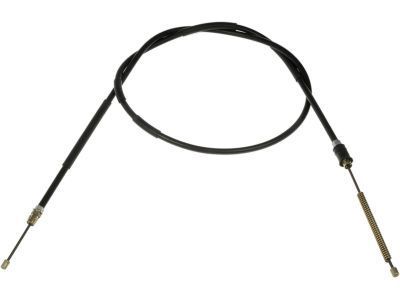
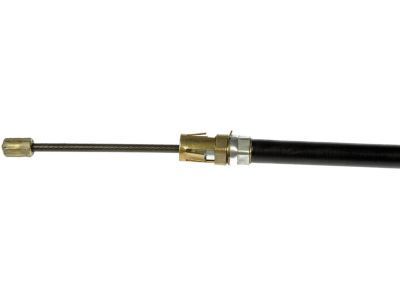
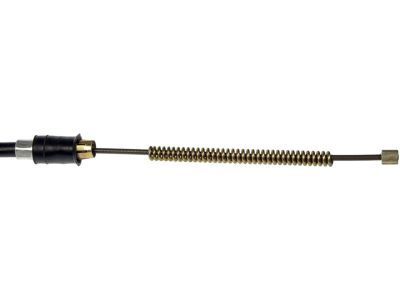
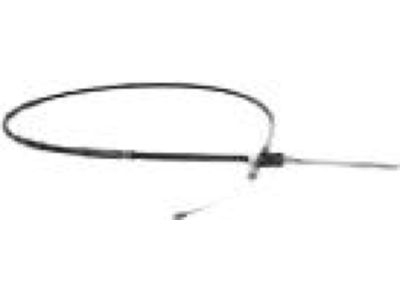
Ford Ranger Rear Cable
Part Number: 6L5Z-2A635-AAA$62.50 MSRP: $101.24You Save: $38.74 (39%)Ships in 1-2 Business Days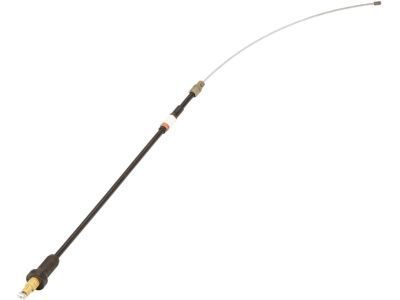
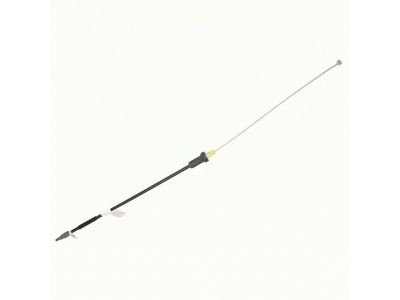
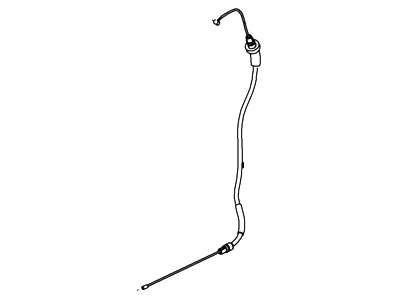
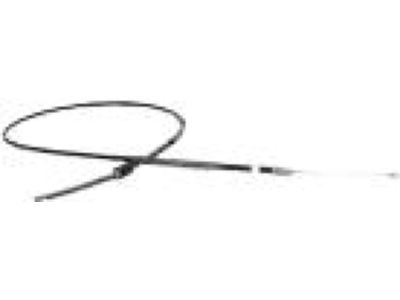
Ford Ranger Front Cable
Part Number: 4L5Z-2853-AA$40.48 MSRP: $65.58You Save: $25.10 (39%)Ships in 1-2 Business Days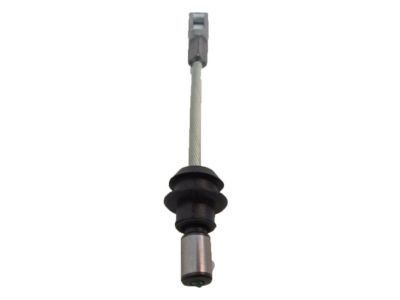
Ford Ranger Rear Cable
Part Number: 9W1Z-2A815-A$20.59 MSRP: $33.37You Save: $12.78 (39%)Ships in 1-2 Business Days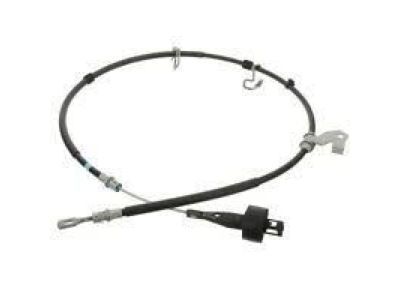
Ford Ranger Rear Cable
Part Number: AL5Z-2A635-C$57.51 MSRP: $93.16You Save: $35.65 (39%)Ships in 1-3 Business Days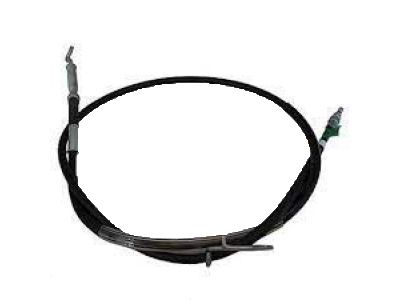
Ford Ranger Parking Brake Cable Assembly
Part Number: AL5Z-2A635-D$72.85 MSRP: $83.81You Save: $10.96 (14%)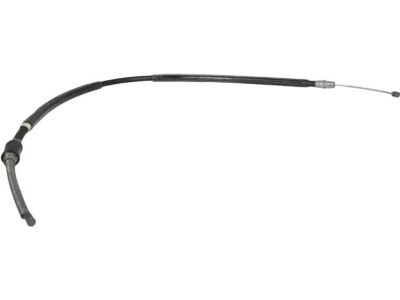
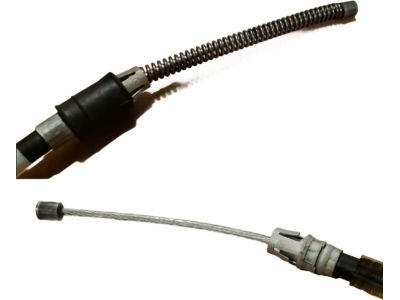
Ford Ranger Rear Cable
Part Number: 6L5Z-2A635-BBA$35.04 MSRP: $48.68You Save: $13.64 (29%)Ships in 1-2 Business Days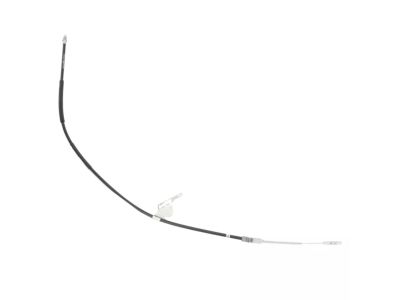
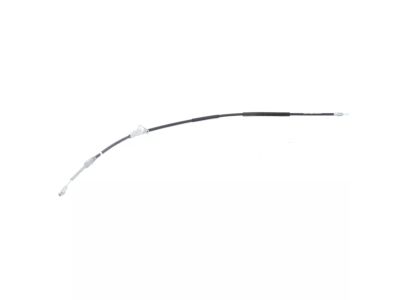
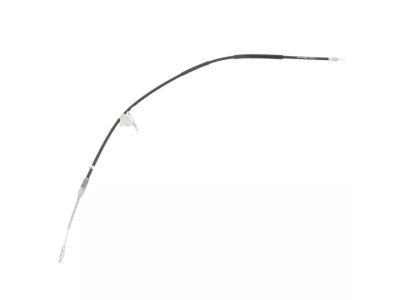
Ford Ranger Parking Brake Cable Assembly
Part Number: AL5Z-2A635-B$52.55 MSRP: $83.81You Save: $31.26 (38%)Ships in 1-3 Business Days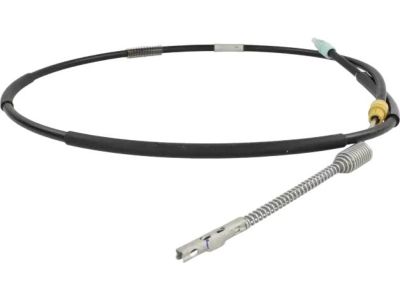
Ford Ranger Parking Brake Cable Assembly
Part Number: AL5Z-2A635-A$57.51 MSRP: $93.16You Save: $35.65 (39%)Ships in 1-3 Business Days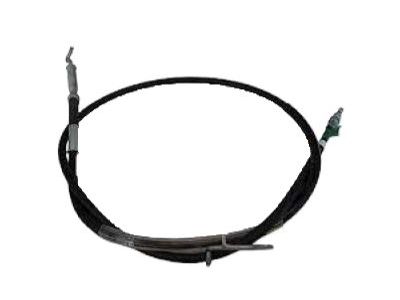
Ford Ranger Rear Cable
Part Number: KB3Z-2A635-D$45.95 MSRP: $74.43You Save: $28.48 (39%)Ships in 1-3 Business DaysFord Ranger Parking Brake Cable Assembly
Part Number: 6L5Z-2A635-AA$62.50 MSRP: $101.24You Save: $38.74 (39%)Ships in 1-2 Business Days
Ford Ranger Parking Brake Cable Assembly
Part Number: 3L5Z-2853-AA$40.48 MSRP: $65.58You Save: $25.10 (39%)Ships in 1-2 Business DaysFord Ranger Parking Brake Cable Assembly
Part Number: 6L5Z-2A635-AB$41.15 MSRP: $65.64You Save: $24.49 (38%)Ships in 1-2 Business Days
Ford Ranger Rear Cable
Part Number: KB3Z-2A635-C$46.73 MSRP: $75.70You Save: $28.97 (39%)Ships in 1-3 Business DaysFord Ranger Front Cable
Part Number: KB3Z-2853-C$57.79 MSRP: $93.61You Save: $35.82 (39%)Ships in 1-3 Business DaysFord Ranger Front Cable
Part Number: KB3Z-2853-D$56.51 MSRP: $91.54You Save: $35.03 (39%)Ships in 1-3 Business DaysFord Ranger Parking Brake Cable Assembly
Part Number: KB3Z-2A635-B$45.95 MSRP: $74.43You Save: $28.48 (39%)Ships in 1-3 Business DaysFord Ranger Parking Brake Cable Assembly
Part Number: KB3Z-2A635-A$46.73 MSRP: $75.70You Save: $28.97 (39%)Ships in 1-3 Business DaysFord Ranger Parking Brake Cable Assembly
Part Number: KB3Z-2853-A$57.79 MSRP: $93.61You Save: $35.82 (39%)Ships in 1-3 Business Days
| Page 1 of 2 |Next >
1-20 of 23 Results
Ford Ranger Parking Brake Cable
The Parking Brake Cable is a vital part of the park brake system in Ford Ranger cars to maintain the car in a stationary state when parked especially on a slope. This cable operates the parking brakes, while offering the safety brakes in case of a breakdown of the usual brakes. There are many years of using styles of Parking Brake Cable on Ford Ranger which requires maintenance to avoid problem like wear, stretching or even corrosion. If there is a problem with a car's Parking Brake Cable it means that the car will not have proper brakes, the car can roll or even fail to stop when required. It is necessary for the convenient usage of Ford Ranger and safety of brakes that Parking Brake Cable should be inspected regularly and replaced on time.
We provide a wide range of Ford Ranger Parking Brake Cable at the optimal prices. If you need Ford Ranger Parking Brake Cable, you can shop with confidence on our website. All our OEM parts come with a manufacturer's warranty and are delivered to your doorstep with a fast delivery service.
Ford Ranger Parking Brake Cable Parts Questions & Experts Answers
- Q:How to install and reset the parking brake cables on Ford Ranger?A:To perform this procedure, enter a steel pin with 5/32 inches drill bit or by making a point from stiff wire with a loop in one end for easing the removal. It is necessary to use an assistant to pull the parking brake cable, while the pin is installed. First, place your hand on the lever and pull back to unlock the parking brake then find the lockout pin hole of the parking brake control. When the assistant has pulled the front parking brake cable rearward, the pin should be inserted into the hole in the parking brake control assembly before the assistant releases the cable. To set cable tension back, one has to eliminate the parking brake pin and pull the parking brake pedal several times. After that, loosen the cable tension, lift the vehicle firmly on jack stands, and remove the front end of front cable to the parking brake rear cable. In the vehicle, unbolt the cable connector from the pedal assembly and then separate the cable from the mounting bracket on the frame as well as pulling out the cable to frame bolt if installed. Installation is done in reverse order hence the retainer fingers on the cable, secure it to the front mounting bracket then adjusting the tension on the cable. For the rear cable, the tension has to be relieved, the vehicle is then raised securely on jackstands and then the hubcap, the wheel and tire and the brake drum are to be removed. Pull the front cable off the rear cable then, remove the end of the right rear cable from the equalizer and take it out from the holder. In the wheel side of the backing plate, force the retainer fingers inwards to enable the retainer to slip through the hole in the backing plate; pull the cable out of the slot fixed on the parking brake lever anchored to the secondary brake shoe and evacuate the cable through the backing plate hole. It is installed in backward fashion and after that cable tension is adjusted back to normal.
Related Ford Ranger Parts

Browse by Year
2023 Parking Brake Cable 2022 Parking Brake Cable 2021 Parking Brake Cable 2020 Parking Brake Cable 2019 Parking Brake Cable 2011 Parking Brake Cable 2010 Parking Brake Cable 2009 Parking Brake Cable 2008 Parking Brake Cable 2007 Parking Brake Cable 2006 Parking Brake Cable 2005 Parking Brake Cable 2004 Parking Brake Cable