

My Garage
My Account
Cart
Genuine Ford Explorer Transmission Assembly
Trans Assembly- Select Vehicle by Model
- Select Vehicle by VIN
Select Vehicle by Model
orMake
Model
Year
Select Vehicle by VIN
For the most accurate results, select vehicle by your VIN (Vehicle Identification Number).
154 Transmission Assemblies found
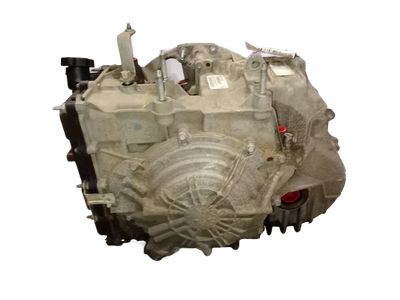
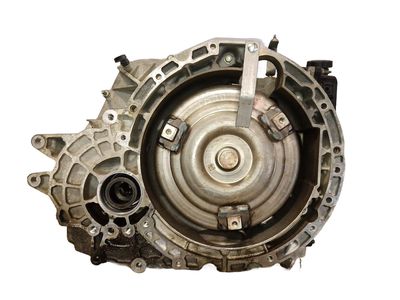
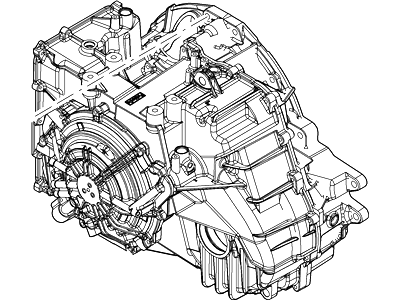
Ford Explorer Automatic Transmission Assembly
Part Number: BA5Z-7000-E$3394.70 MSRP: $4126.85You Save: $732.15 (18%)Ships in 1-3 Business Days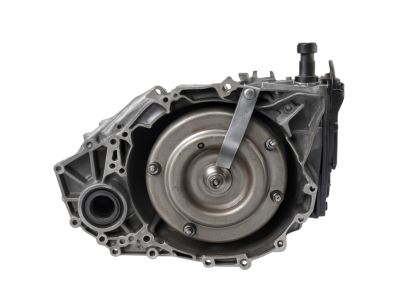
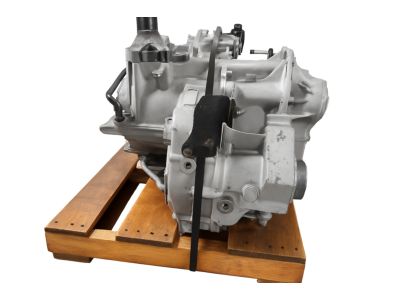
Ford Explorer Reman Automatic Transmission Assembly
Part Number: GB5Z-7000-BRM$4086.77 MSRP: $4892.63You Save: $805.86 (17%)Ships in 1-3 Business DaysFord Explorer Automatic Transmission Assembly
Part Number: DA8Z-7000-K$3652.61 MSRP: $4370.17You Save: $717.56 (17%)Ford Explorer Automatic Transmission Assembly
Part Number: DA5Z-7000-M$3676.29 MSRP: $4398.67You Save: $722.38 (17%)Ships in 1-2 Business DaysFord Explorer Automatic Transmission Assembly
Part Number: DA8Z-7000-D$3676.29 MSRP: $4398.67You Save: $722.38 (17%)Ships in 1-2 Business DaysFord Explorer Automatic Transmission Assembly
Part Number: BA5Z-7000-C$3394.70 MSRP: $4126.85You Save: $732.15 (18%)Ships in 1-3 Business Days
Ford Explorer Automatic Transmission Assembly
Part Number: FB5Z-7000-D$4086.77 MSRP: $4892.63You Save: $805.86 (17%)Ships in 1-2 Business Days
Ford Explorer Automatic Transmission Assembly
Part Number: L1MZ-7000-T$5005.89 MSRP: $5998.67You Save: $992.78 (17%)Ships in 1-3 Business DaysFord Explorer Automatic Transmission Assembly
Part Number: L1MZ-7000-R$5005.89 MSRP: $5998.67You Save: $992.78 (17%)Ships in 1-3 Business DaysFord Explorer Automatic Transmission Assembly
Part Number: DA8Z-7000-ARM$3652.61 MSRP: $4370.17You Save: $717.56 (17%)Ships in 1-3 Business DaysFord Explorer Automatic Transmission Assembly
Part Number: DA5Z-7000-ERM$3676.29 MSRP: $4398.67You Save: $722.38 (17%)Ships in 1-3 Business DaysFord Explorer Automatic Transmission Assembly
Part Number: L1MZ-7000-Q$5005.89 MSRP: $5998.67You Save: $992.78 (17%)Ships in 1-3 Business DaysFord Explorer Automatic Transmission Assembly
Part Number: BA8Z-7000-P$4008.69 MSRP: $4798.67You Save: $789.98 (17%)Ships in 1-3 Business Days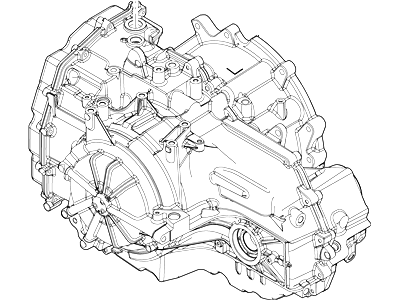
Ford Explorer Automatic Transmission Assembly
Part Number: BB5Z-7000-LRM$3679.26 MSRP: $4402.24You Save: $722.98 (17%)Ships in 1-3 Business DaysFord Explorer Automatic Transmission Assembly
Part Number: BB5Z-7000-S$3355.13 MSRP: $4012.19You Save: $657.06 (17%)Ships in 1-3 Business DaysFord Explorer Automatic Transmission Assembly
Part Number: DA5Z-7000-K$3450.42 MSRP: $4126.85You Save: $676.43 (17%)Ships in 1-3 Business DaysFord Explorer Automatic Transmission Assembly
Part Number: BA5Z-7000-D$3450.42 MSRP: $4126.85You Save: $676.43 (17%)Ships in 1-3 Business Days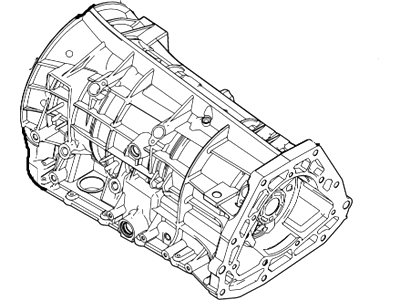
Ford Explorer Automatic Transmission Assembly
Part Number: 9L2Z-7000-DRM$3559.86 MSRP: $4258.56You Save: $698.70 (17%)Ford Explorer Automatic Transmission Assembly
Part Number: DA8Z-7000-GRM$3676.29 MSRP: $4398.67You Save: $722.38 (17%)
| Page 1 of 8 |Next >
1-20 of 154 Results
Ford Explorer Transmission Assembly
The Transmission Assembly of the Ford Explorer transmits power from the engine to the axle so that the SUV can take off from a standstill, go up a steep hill or climb, and cruise at high speed while getting the optimal fuel economy. The Ford Explorer has matched this Transmission Assembly to both manual stick-shift designs, which use synchronized gears the driver picks, and fully automatic adaptations that use hydraulic pressure, fluid couplings, and planetary gearsets managed by a control module. Every Transmission Assembly matches engine speed to road speed through a set of chosen gear ratios so torque is kept high at low speeds but drops at highway pace to save fuel and reduce emissions. Every Ford Explorer on the road has built-in sensors to determine that the unit is working within safe limits. The modern Ford Explorer grows more automatic in style with each iteration, but the purpose of any Transmission Assembly in the line remains the same. It provides smooth shifts while also preventing the engine from going into overspeed. In addition to conventional automatic and manual options, varieties now include continuously variable and dual-clutch designs, which show how a Transmission Assembly can develop to deliver performance, efficiency, and driver convenience.
We provide a wide range of Ford Explorer Transmission Assembly at the optimal prices. If you need Ford Explorer Transmission Assembly, you can shop with confidence on our website. All our OEM parts come with a manufacturer's warranty and are delivered to your doorstep with a fast delivery service.
Ford Explorer Transmission Assembly Parts Questions & Experts Answers
- Q:How to remove and install the Transmission Assembly on the Ford Explorer?A:To eliminate the transmission, one has to unscrew the negative terminal of the battery and safely lift the car using the jack to place it on the stands, if the car uses Automatic Ride Control, its switch shall be off. Remove the transmission pan and dump its contents, replace it back in its rightful position. On the 4WD models, you have to take out the transfer case, and unscrew the starter, which you should then secure somewhere in order to access the torque converter head nuts. Paint one of the studs and the torque converter with white paint so that they would be easy to reconnect. Loosen the four torque converter-to- drive plate nuts, while turning the crankshaft anticlockwise to get better access. For the 2 wheel drive models, the driveshaft should be unbolted and the extension housing covered to reduce cases of moister and dirt penetration. Remove the speedometer cable from the VSS if there is a cable or pull out the electrical connector in case of electric VSS. Pull the transmission Shift Cable / kickdown cable out of the transmission, then unplug electrical connectors on the harness, stow the harness aside. Jack up the transmission by placing a transmission jack below the transmission and exert some pressure to lift it slightly and use chains to secure it to prevent any accidents. Eliminate the transmission mount and cross member; place jack under the engine and use a block of wood at the oil pan. Lower the engine and transmission slightly and unbolt the two transmission oil cooler lines and plug them. As for the lower transmission-to-engine bolts, and dipstick tube, then, they must be undone with the same manner of bolts that secure the tube to the cylinderhead. Safeguard the transmission on the jack and take off the two upper transmission to engine bolts. Slowly shift the transmission backward in order to come off the dowel pins on engine block; ensure that torque converter has come off the drive plate. To install, reverse the above process you have to ensure that the convert hub is tightly engaged in the pump gear and ensure that the bolt drive lugs and the drain plug are perfectly located in the drive plate holes. After this raise the transmission to a parallel position with the ground to ensure that the gears mesh together properly, align the hole in the drive plate with the stud with the help of the white marks that have been painted on the plate then slowly advance the transmission forward until it engages. Fit the numerous drive plate-to-converter nuts, using first one nut through the pilot hole and then fasten it, followed by the other nuts. Loosen the shift cable, decrease the height of the car, add the required type of the transmission fluid, start the engine, and examine the presence of any leakage.
Related Ford Explorer Parts
 Ford Explorer Torque Converter
 Ford Explorer Transmission Pan
 Ford Explorer Side Cover Gasket
 Ford Explorer Transmission Gasket
 Ford Explorer Valve Body
Browse by Year
2025 Transmission Assembly 2024 Transmission Assembly 2023 Transmission Assembly 2022 Transmission Assembly 2021 Transmission Assembly 2020 Transmission Assembly 2019 Transmission Assembly 2018 Transmission Assembly 2017 Transmission Assembly 2016 Transmission Assembly 2015 Transmission Assembly 2014 Transmission Assembly 2013 Transmission Assembly 2012 Transmission Assembly 2011 Transmission Assembly 2010 Transmission Assembly 2009 Transmission Assembly 2008 Transmission Assembly 2007 Transmission Assembly 2006 Transmission Assembly 2005 Transmission Assembly 2004 Transmission Assembly 2003 Transmission Assembly 2002 Transmission Assembly 2001 Transmission Assembly 2000 Transmission Assembly 1999 Transmission Assembly 1998 Transmission Assembly 1997 Transmission Assembly 1996 Transmission Assembly 1995 Transmission Assembly