

My Garage
My Account
Cart
Genuine Ford Expedition Drive Shaft
Axle Shaft- Select Vehicle by Model
- Select Vehicle by VIN
Select Vehicle by Model
orMake
Model
Year
Select Vehicle by VIN
For the most accurate results, select vehicle by your VIN (Vehicle Identification Number).
61 Drive Shafts found
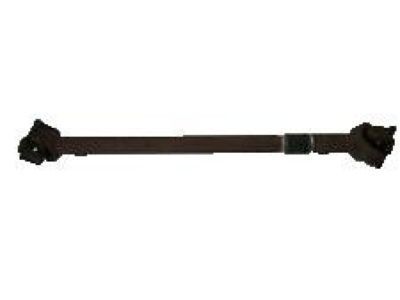
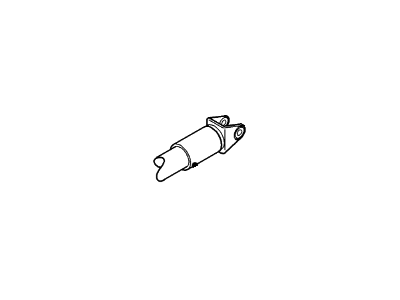
Ford Expedition Drive Shaft Assembly
Part Number: 5L3Z-4A376-A$740.14 MSRP: $1027.69You Save: $287.55 (28%)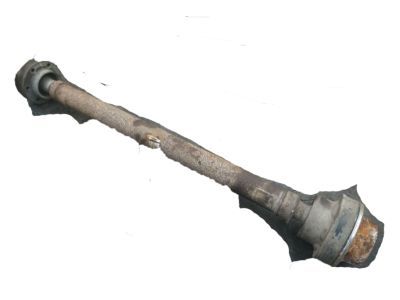
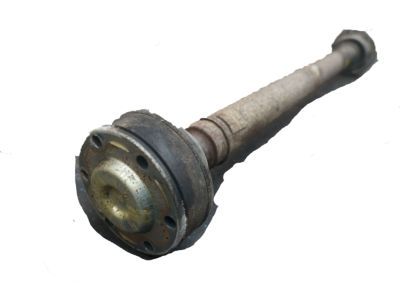
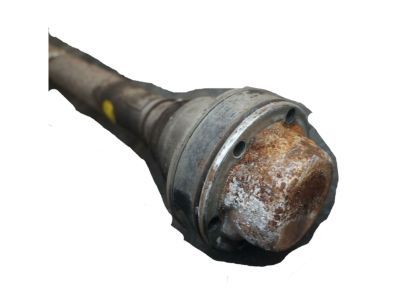
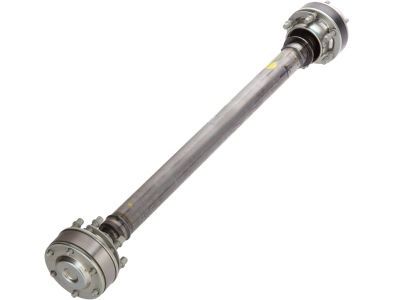
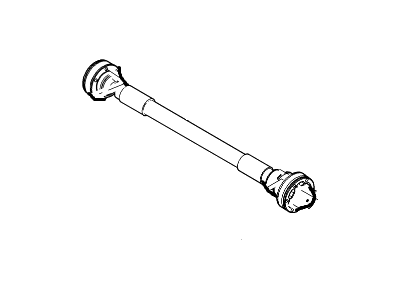
Ford Expedition Drive Shaft Assembly
Part Number: AL3Z-4A376-C$596.78 MSRP: $838.46You Save: $241.68 (29%)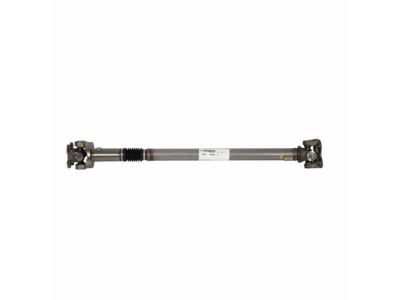
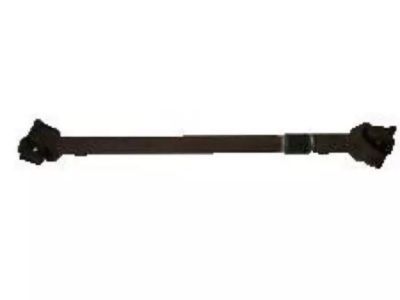
Ford Expedition Drive Shaft Assembly
Part Number: 2L1Z-4A376-AA$740.14 MSRP: $1027.69You Save: $287.55 (28%)Ships in 1-3 Business Days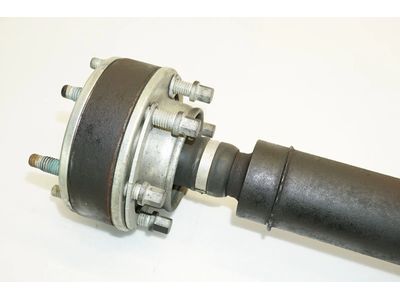
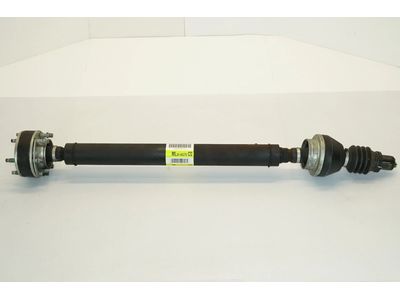
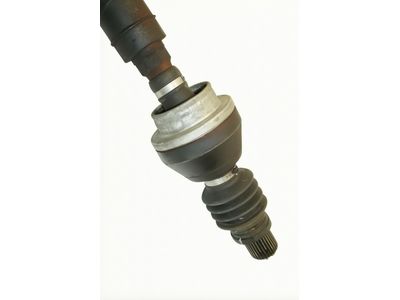
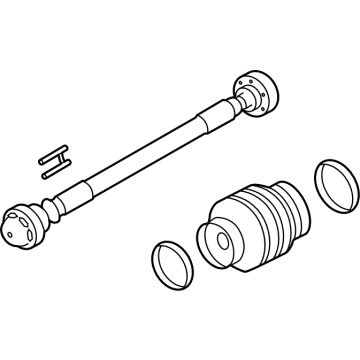
Ford Expedition Drive Shaft Assembly
Part Number: ML3Z-4A376-C$208.68 MSRP: $284.62You Save: $75.94 (27%)Ships in 1-2 Business Days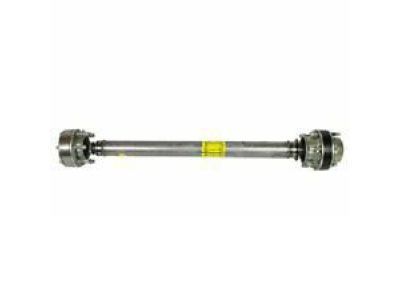
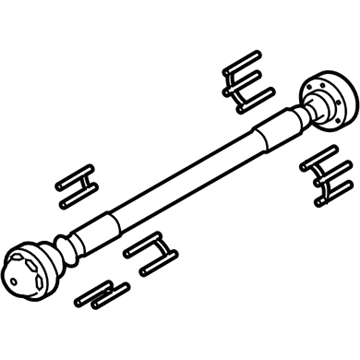
Ford Expedition Drive Shaft Assembly
Part Number: BL3Z-4A376-B$433.74 MSRP: $598.46You Save: $164.72 (28%)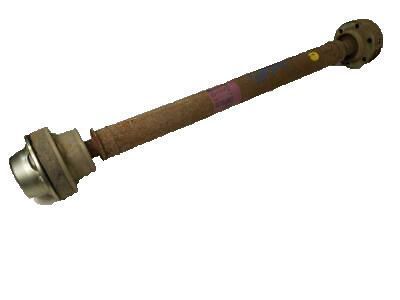
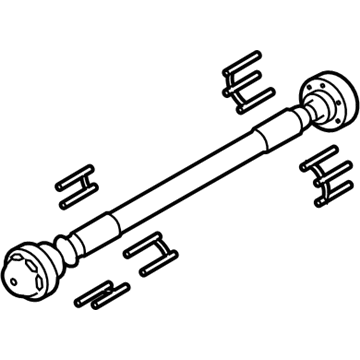
Ford Expedition Drive Shaft Assembly
Part Number: JL3Z-4A376-E$620.21 MSRP: $875.38You Save: $255.17 (30%)Ships in 1-2 Business Days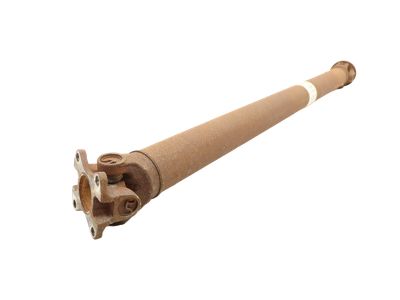
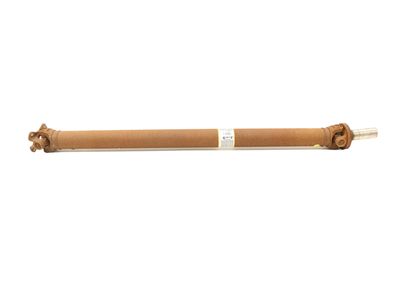
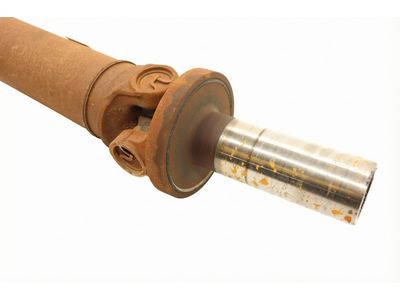
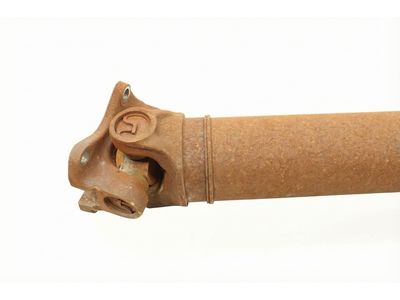
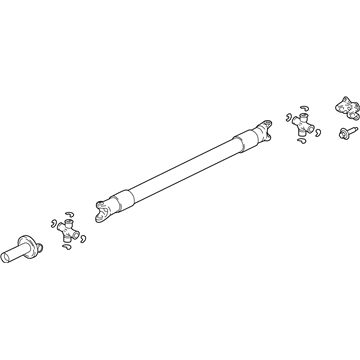
Ford Expedition Drive Shaft Assembly
Part Number: JL1Z-4602-N$632.67 MSRP: $878.46You Save: $245.79 (28%)Ships in 1-3 Business Days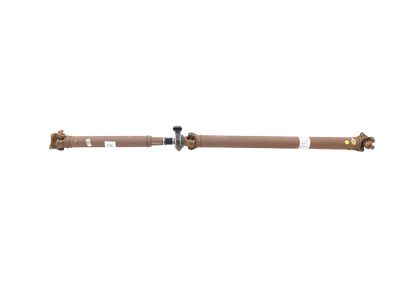
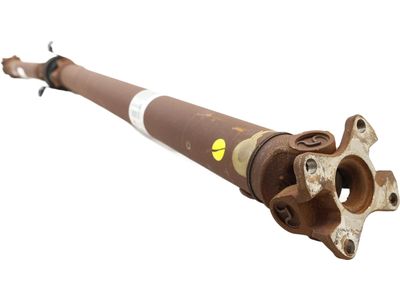
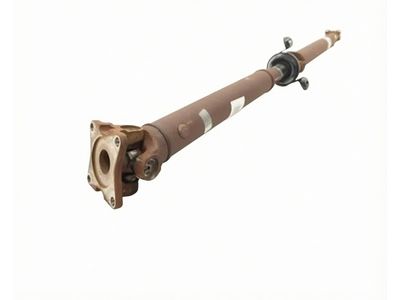
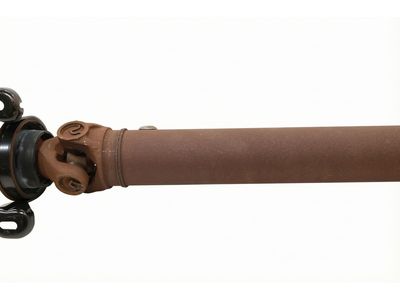
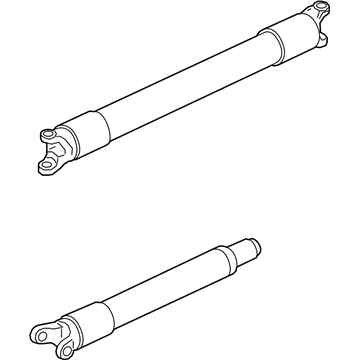
Ford Expedition Drive Shaft Assembly
Part Number: JL1Z-4R602-S$835.43 MSRP: $1160.00You Save: $324.57 (28%)Ships in 1-3 Business Days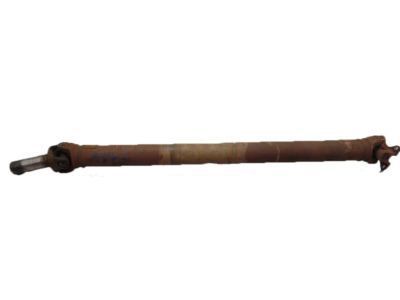
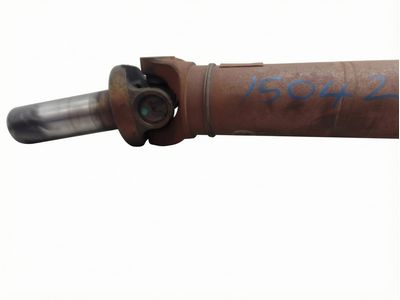
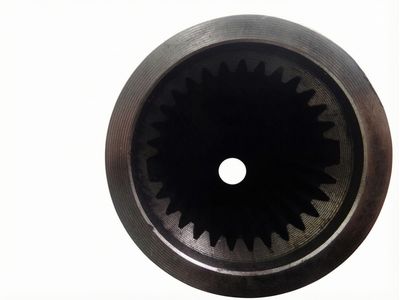
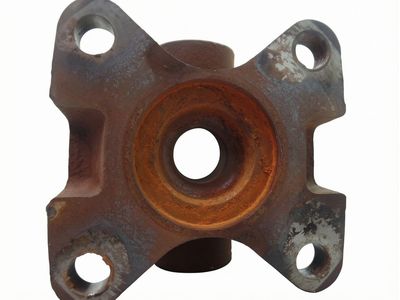
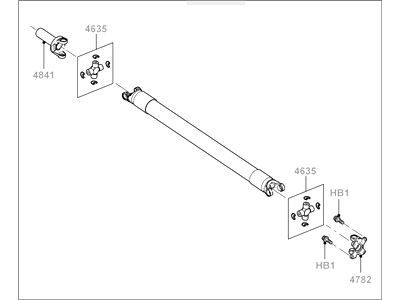
Ford Expedition Drive Shaft Assembly
Part Number: DL1Z-4602-C$613.06 MSRP: $851.23You Save: $238.17 (28%)Ships in 1-3 Business Days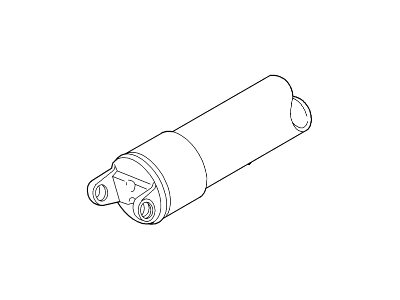
Ford Expedition Drive Shaft Assembly
Part Number: 6L1Z-4602-A$649.47 MSRP: $956.15You Save: $306.68 (33%)Ships in 1-2 Business DaysFord Expedition Drive Shaft Assembly
Part Number: 5L1Z-4602-BA$649.47 MSRP: $956.15You Save: $306.68 (33%)Ships in 1-2 Business DaysFord Expedition Drive Shaft Assembly
Part Number: 4L1Z-4602-BA$649.47 MSRP: $956.15You Save: $306.68 (33%)Ships in 1-2 Business DaysFord Expedition Drive Shaft Assembly
Part Number: JL3Z-4A376-A$669.23 MSRP: $929.23You Save: $260.00 (28%)Ford Expedition Drive Shaft Assembly
Part Number: JL1Z-4602-M$191.76 MSRP: $261.54You Save: $69.78 (27%)Ships in 1-3 Business Days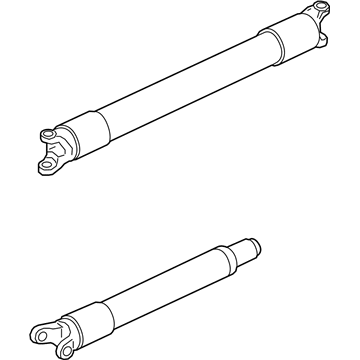
Ford Expedition Drive Shaft Assembly
Part Number: JL1Z-4R602-U$797.76 MSRP: $1107.69You Save: $309.93 (28%)Ships in 1-3 Business Days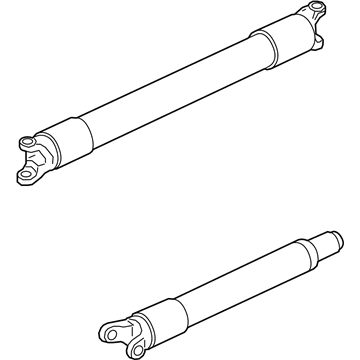
Ford Expedition Drive Shaft Assembly
Part Number: JL1Z-4R602-R$788.56 MSRP: $1094.92You Save: $306.36 (28%)Ships in 1-3 Business Days
Ford Expedition Drive Shaft Assembly
Part Number: JL1Z-4R602-T$818.81 MSRP: $1136.92You Save: $318.11 (28%)Ships in 1-3 Business Days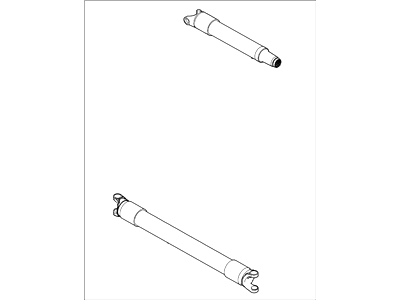
Ford Expedition Drive Shaft Assembly
Part Number: 9L1Z-4R602-H$823.91 MSRP: $1144.00You Save: $320.09 (28%)Ships in 1-3 Business DaysFord Expedition Drive Shaft Assembly
Part Number: ML3Z-4A376-H$670.34 MSRP: $930.77You Save: $260.43 (28%)Ships in 1-2 Business Days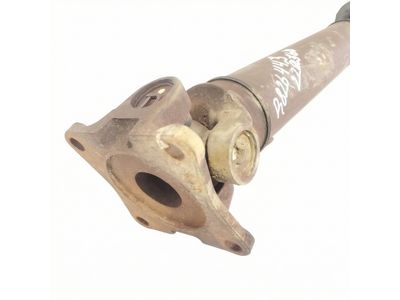
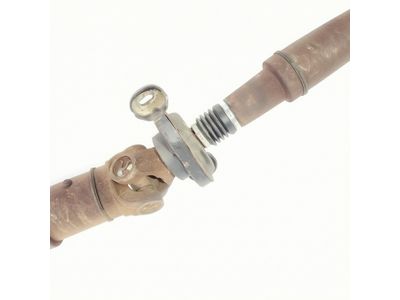
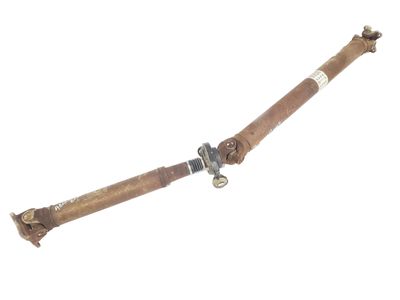
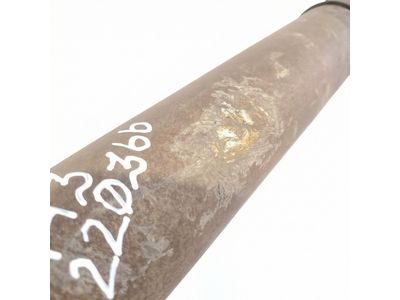
Ford Expedition Drive Shaft Assembly
Part Number: 9L1Z-4R602-G$823.91 MSRP: $1144.00You Save: $320.09 (28%)
| Page 1 of 4 |Next >
1-20 of 61 Results
Ford Expedition Drive Shaft
The Drive Shaft in Ford Expedition cars is used for the critical purpose of transferring the mechanical power and torque from the engine or transmission to the drive wheels with efficiency for the movement of the vehicle. This component must take up torsional and shearing loads and will be as light as possible so as not to contribute much to inertia. Ford Expeditions come equipped with one-piece, two-piece and slip-in-tube drive shafts with the latest slip-in-tube providing improved crash safety systems. In the four-wheel and all-wheel drive, there are several Drive Shafts used and the transfer cases are used to split the power between the frontal and the rear axle. This synthetic integrates these driveshafts, so the expedition can handle power delivery depending on various driving scenarios without straying from performance and steadiness.
We provide a wide range of Ford Expedition Drive Shaft at the optimal prices. If you need Ford Expedition Drive Shaft, you can shop with confidence on our website. All our OEM parts come with a manufacturer's warranty and are delivered to your doorstep with a fast delivery service.
Ford Expedition Drive Shaft Parts Questions & Experts Answers
- Q:What is the role of the Drive Shaft and Universal Joint in the front and rear of a Ford Expedition and how do they function?A:A driveshaft is the tube or tubes that move power between the transmission and Differential in the rear axle. All driveshafts need universal joints at each end, and a center bearing needs one behind it on two-part driveshafts at the back. The U-joint serves as a double-hinged tool that moves power from one shaft directly to another shaft at an angle. The regular U-joint connects two shafts by fixing Y-shaped yokes at 90-degree angles, with the force passed through the sq. center bearing we call "spider." All rear driveshafts have a slip yoke at the front that lets the driveshaft move up and down inside the transmission, stopping oil leaks and keeping dirt out with a special oil seal. When a car has two separate short driveshaft pieces, a middle mounting point is located on a rubber cushion built into the vehicle frame to support the transmission and prevent dirt from entering. At the back, all rear driveshafts connect the rear axle differential pinion flange through a flange yoke held in place by four bolts that prevents leaks by using a seal. The driveshaft mainly needs little attention, with the universal joints self-lubricating for their entire lifespan before possible issues require removing the drive shaft from the car for repair. We should clean the driveshaft well and make sure small weights meant for balancing are there, checking the shaft for damage when we do. When you drive and notice a strange noise or feel vibrations, a test drive can tell you if they come from your driveshaft or another part. Checking the driveline for problems is best done if you think something is wrong.
Related Ford Expedition Parts

Browse by Year
2025 Drive Shaft 2024 Drive Shaft 2023 Drive Shaft 2022 Drive Shaft 2021 Drive Shaft 2020 Drive Shaft 2019 Drive Shaft 2018 Drive Shaft 2017 Drive Shaft 2016 Drive Shaft 2015 Drive Shaft 2014 Drive Shaft 2013 Drive Shaft 2012 Drive Shaft 2011 Drive Shaft 2010 Drive Shaft 2009 Drive Shaft 2008 Drive Shaft 2007 Drive Shaft 2006 Drive Shaft 2005 Drive Shaft 2004 Drive Shaft 2003 Drive Shaft