

My Garage
My Account
Cart
Genuine Ford Expedition Coil Springs
Strut Spring- Select Vehicle by Model
- Select Vehicle by VIN
Select Vehicle by Model
orMake
Model
Year
Select Vehicle by VIN
For the most accurate results, select vehicle by your VIN (Vehicle Identification Number).
55 Coil Springs found
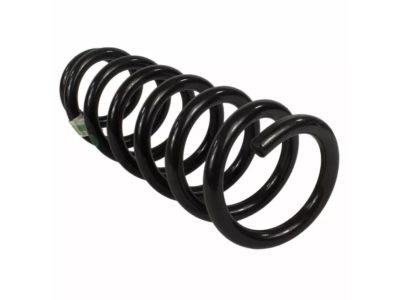
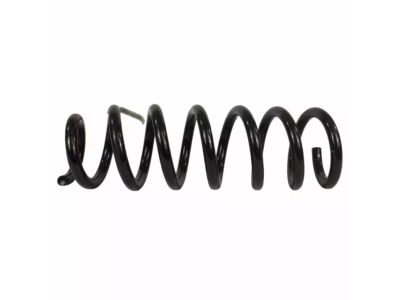
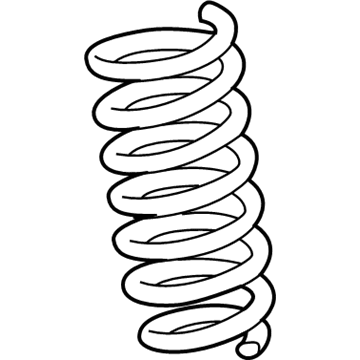
Ford Expedition Coil Spring
Part Number: JL1Z-5310-A$119.28 MSRP: $186.67You Save: $67.39 (37%)Ships in 1-2 Business Days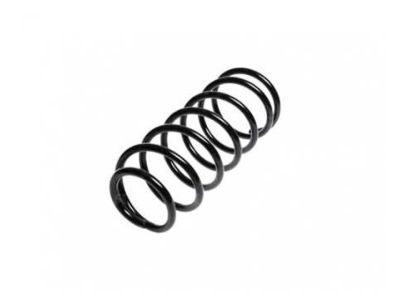
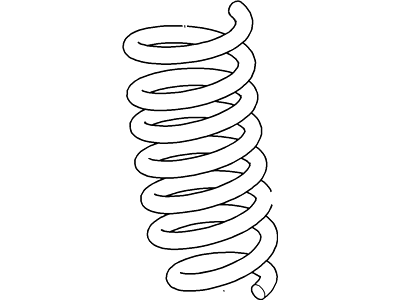
Ford Expedition Coil Spring
Part Number: 9L1Z-5310-P$137.50 MSRP: $208.33You Save: $70.83 (34%)Ships in 1-3 Business Days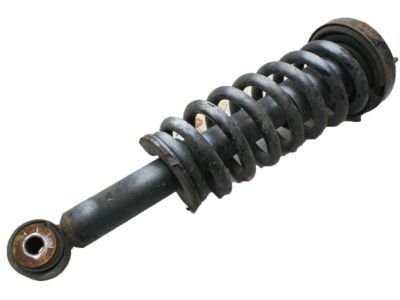
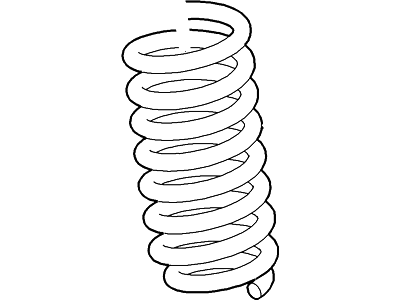
Ford Expedition Coil Spring
Part Number: 9L1Z-5310-Q$128.87 MSRP: $201.67You Save: $72.80 (37%)Ships in 1-3 Business Days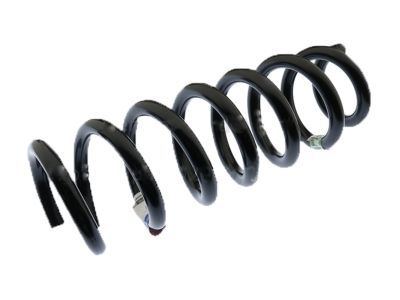
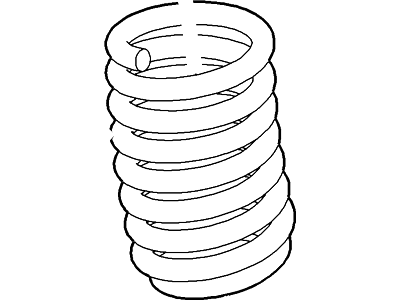
Ford Expedition Coil Spring
Part Number: 9L1Z-5310-M$135.45 MSRP: $210.00You Save: $74.55 (36%)Ships in 1-3 Business Days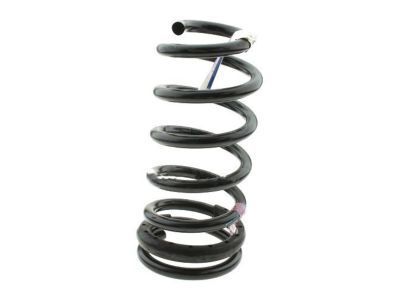
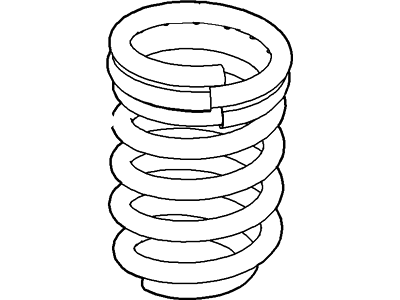
Ford Expedition Coil Spring
Part Number: EL1Z-5560-A$182.60 MSRP: $276.67You Save: $94.07 (34%)Ships in 1-3 Business Days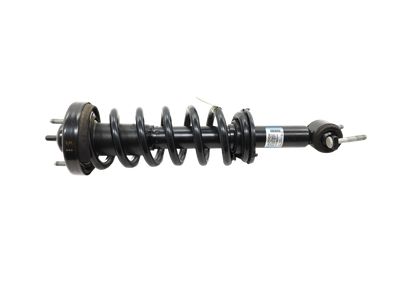
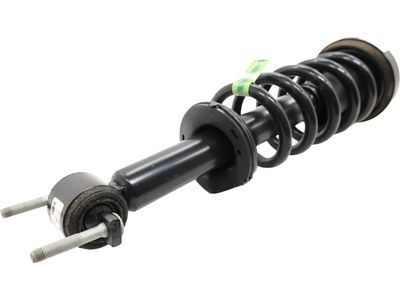
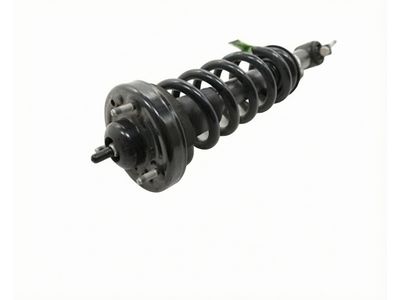
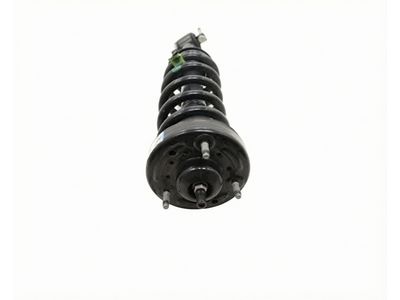
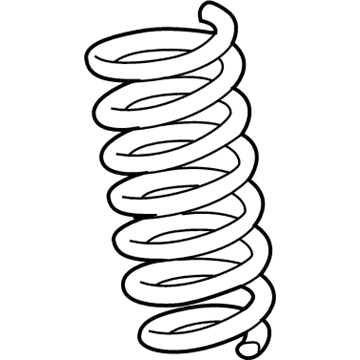
Ford Expedition Coil Spring
Part Number: JL1Z-5310-W$148.90 MSRP: $220.00You Save: $71.10 (33%)Ships in 1-3 Business Days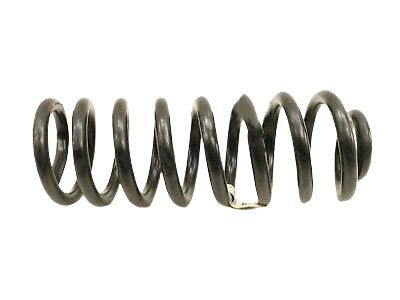
Ford Expedition Coil Spring
Part Number: 9L1Z-5310-L$138.74 MSRP: $205.00You Save: $66.26 (33%)Ships in 1-3 Business Days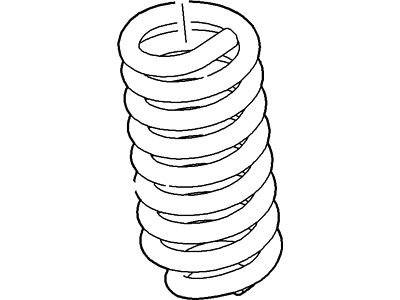
Ford Expedition Front Spring
Part Number: 7L7Z-5310-K$128.87 MSRP: $201.67You Save: $72.80 (37%)Ships in 1-3 Business DaysFord Expedition Front Spring
Part Number: 9L1Z-5310-K$128.87 MSRP: $201.67You Save: $72.80 (37%)Ships in 1-3 Business DaysFord Expedition Front Spring
Part Number: 9L1Z-5310-J$137.50 MSRP: $208.33You Save: $70.83 (34%)Ships in 1-3 Business DaysFord Expedition Front Spring
Part Number: 7L7Z-5310-J$137.50 MSRP: $208.33You Save: $70.83 (34%)Ships in 1-3 Business DaysFord Expedition Coil Spring
Part Number: JL1Z-5310-B$127.68 MSRP: $186.67You Save: $58.99 (32%)Ships in 1-3 Business Days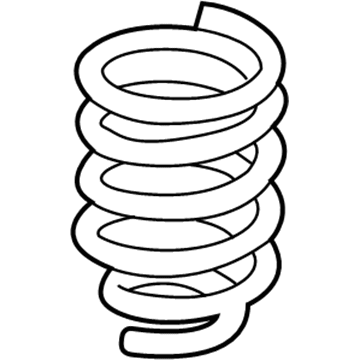
Ford Expedition Coil Spring
Part Number: JL1Z-5560-A$135.36 MSRP: $200.00You Save: $64.64 (33%)Ships in 1-2 Business DaysFord Expedition Coil Spring
Part Number: JL1Z-5310-D$127.68 MSRP: $186.67You Save: $58.99 (32%)Ships in 1-3 Business Days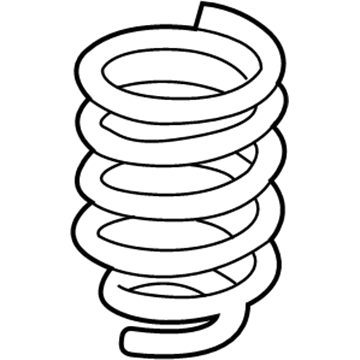
Ford Expedition Coil Spring
Part Number: JL1Z-5560-C$135.66 MSRP: $198.33You Save: $62.67 (32%)Ships in 1-3 Business Days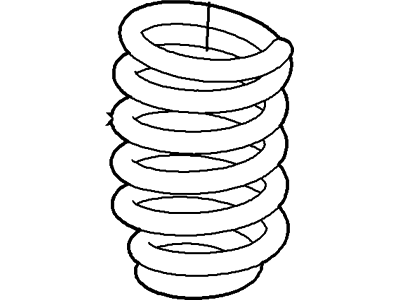
Ford Expedition Coil Spring
Part Number: 9L1Z-5560-A$161.50 MSRP: $224.34You Save: $62.84 (29%)Ships in 1-2 Business DaysFord Expedition Coil Spring
Part Number: JL1Z-5310-G$127.68 MSRP: $186.67You Save: $58.99 (32%)Ships in 1-3 Business Days
Ford Expedition Coil Spring
Part Number: 3L1Z-5310-CA$107.27 MSRP: $156.83You Save: $49.56 (32%)Ships in 1-3 Business Days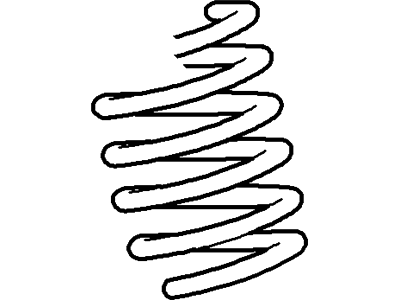
Ford Expedition Coil Spring
Part Number: 2L1Z-5560-BA$129.96 MSRP: $190.00You Save: $60.04 (32%)Ships in 1-3 Business Days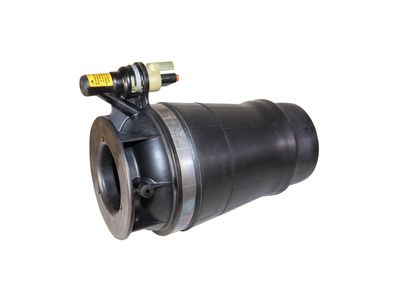
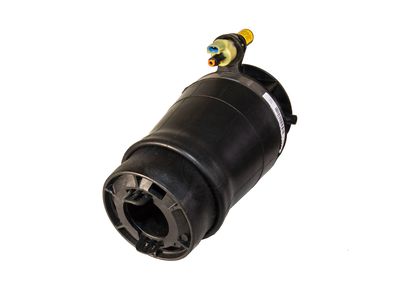
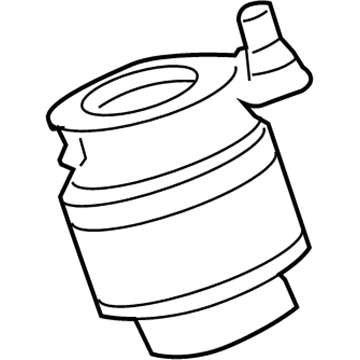
| Page 1 of 3 |Next >
1-20 of 55 Results
Ford Expedition Coil Springs
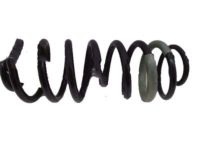
Coil Springs in the Ford Expedition vehicles serve a very important function of bearing the weight of the car and cushioning the car bottom on bad roads. Some of the signs of worn or bad coil springs are, the car is sagging or bottoming out and uneven tire wear. New shock absorber springs can help you return your ride height and smoothness, with OEM, progressive, or cargo specific springs for additional weight. Coil springs are available in different sizes of height and rate, that relates to handling and traction. Just like the name suggests, there are linear rate springs, progressive springs and the dual rate springs which provide different rates of stiffness for the optimal performance. Normally on adjustable damping coilovers it possible to change the height of the car and maintain the same lowering kit without the need to change.
We provide a wide range of Ford Expedition Coil Springs at the optimal prices. If you need Ford Expedition Coil Springs, you can shop with confidence on our website. All our OEM parts come with a manufacturer's warranty and are delivered to your doorstep with a fast delivery service.
Ford Expedition Coil Springs Parts Questions & Experts Answers
- Q:How to remove and install the Rear Air Suspension and Coil Springs on a Ford Expedition?A:The process only works on sport utility vehicles when replacing the coil spring for pickup models and 2004 and earlier Expedition and Navigator models. Start by loosening the rear wheel nuts, then lift the back side of your car and make sure it's supported and blocked on jackstands. Keep all four front wheels from rolling by blocking them. Climb under your vehicle and take off both rear wheels before removing the driveshaft. Use a wrench to disconnect the electric connection for the rear sensor, let the parking brake mechanism go freely, relax the cables, then remove the parking brake cables from where they attach to the parking brake levers on each rear brake caliper. Put the calipers aside and secure them carefully without cutting brake hose connections. Take off the tires to work. Remove the axel vent tube and the rear stabilizer bar from its connections. Take off the shocks' lower anchors, security hook for the driveshaft, and bottoms of the suspension arms from the axle using a floor jack underneath the differential. Loosen the coil springs while keeping the frame below your vehicle, and do not rebolt these until the car is back on the road. First, switch off your vehicle's air suspension system. Next, rotate your hand to loosen the nuts holding the rear wheels. Lift up the car's rear, place jackstands under it securely, and block the front wheels before lowering onto the jackstands. Lower the pressure in the suspension system by turning it off. Take off the retainer on back wheels, then lift and remove the bottom part of the air spring from the axle. Disconnect the electric wire from the solenoid, pull off the air hose from the air spring, and take out the air spring itself. After installation, you need to start the vehicle, let the compressor rebuild pressure until at least 1/8 inch of air line remains visible inside the solenoid. First start your vehicle, re-enable the air suspension, and let the compressor reach normal riding height when you're driving.
Related Ford Expedition Parts
 Ford Expedition Shock Absorber
 Ford Expedition Shock And Strut Mount
 Ford Expedition Rear Crossmember
 Ford Expedition Coil Spring Insulator
 Ford Expedition Front Cross-Member
 Ford Expedition Bump Stop
 Ford Expedition Strut Bearing
 Ford Expedition Leaf Spring Bushing
Browse by Year
2025 Coil Springs 2024 Coil Springs 2023 Coil Springs 2022 Coil Springs 2021 Coil Springs 2020 Coil Springs 2019 Coil Springs 2018 Coil Springs 2017 Coil Springs 2016 Coil Springs 2015 Coil Springs 2014 Coil Springs 2013 Coil Springs 2012 Coil Springs 2011 Coil Springs 2010 Coil Springs 2009 Coil Springs 2008 Coil Springs 2007 Coil Springs 2006 Coil Springs 2005 Coil Springs 2004 Coil Springs 2003 Coil Springs 2002 Coil Springs 2001 Coil Springs 2000 Coil Springs 1999 Coil Springs 1998 Coil Springs 1997 Coil Springs