

My Garage
My Account
Cart
Genuine 2010 Ford Focus Shock Absorber
Suspension Shock Absorber- Select Vehicle by Model
- Select Vehicle by VIN
Select Vehicle by Model
orMake
Model
Year
Select Vehicle by VIN
For the most accurate results, select vehicle by your VIN (Vehicle Identification Number).
11 Shock Absorbers found


2010 Ford Focus Shock Absorber
Part Number: 9S4Z-18125-A$56.96 MSRP: $79.27You Save: $22.31 (29%)Ships in 1-2 Business DaysProduct Specifications- Other Name: Shock Absorber Assembly; Shock, Shock Absorber, Shock Assembly
- Manufacturer Note: Without Attaching Hardware
- Replaces: 2M5Z-18125-BA, 8S4Z-18125-A, AST-156, AST-39, AST-293, 7S4Z-18125-B, AST-353, 6S4Z-18125-BA
- Base No.: 18125
- Item Weight: 4.40 Pounds
- Item Dimensions: 26.7 x 3.5 x 3.4 inches
- Condition: New
- Fitment Type: Direct Replacement
- Require Quantity: 2
- SKU: 9S4Z-18125-A
- Warranty: This genuine part is guaranteed by Ford's factory warranty.


2010 Ford Focus Shock Absorber
Part Number: 8S4Z-18125-C$49.04 MSRP: $79.45You Save: $30.41 (39%)Ships in 1-2 Business DaysProduct Specifications- Other Name: Shock Absorber Assembly; Shock, Shock Absorber, Shock Assembly
- Manufacturer Note: Without Attaching Hardware
- Replaces: AST-295, 7S4Z-18125-AB
- Base No.: 18125
- Item Weight: 6.50 Pounds
- Item Dimensions: 27.0 x 3.5 x 3.4 inches
- Condition: New
- Fitment Type: Direct Replacement
- Require Quantity: 2
- SKU: 8S4Z-18125-C
- Warranty: This genuine part is guaranteed by Ford's factory warranty.

2010 Ford Focus Shock Absorber Assembly
Part Number: 8S4Z-18125-A$48.93 MSRP: $79.27You Save: $30.34 (39%)Ships in 1-2 Business DaysProduct Specifications- Manufacturer Note: Without Attaching Hardware
- Replaced by: 9S4Z-18125-A
- Base No.: 18125
- Item Weight: 4.30 Pounds
- Item Dimensions: 27.0 x 3.4 x 3.4 inches
- Condition: New
- Fitment Type: Direct Replacement
- Require Quantity: 2
- SKU: 8S4Z-18125-A
- Warranty: This genuine part is guaranteed by Ford's factory warranty.

 Product Specifications
- Other Name: STRUT - LOADED ASSEMBLY
- Manufacturer Note: Loaded Strut / Shock
- Position: Passenger Side
- Item Weight: 8.40 Pounds
- Item Dimensions: 8.8 x 8.7 x 29.9 inches
- Condition: New
- Fitment Type: Direct Replacement
- SKU: GU2Z-18A092-AY
- Warranty: This genuine part is guaranteed by Ford's factory warranty.


 Product Specifications
- Other Name: STRUT - LOADED ASSEMBLY
- Manufacturer Note: Loaded Strut / Shock
- Position: Driver Side
- Item Weight: 7.80 Pounds
- Item Dimensions: 8.7 x 8.7 x 30.5 inches
- Condition: New
- Fitment Type: Direct Replacement
- SKU: GU2Z-18A092-AX
- Warranty: This genuine part is guaranteed by Ford's factory warranty.

 Product Specifications
- Other Name: Shock Absorber Assy - Front; Strut
- Position: Driver Side
- Replaces: AST-340, 8S4Z-18124-L, 9S4Z-18124-A, 9S4Z-18124-D, AST-376, AST-411, 8S4Z-18124-LH
- Base No.: 18124
- Item Weight: 10.90 Pounds
- Item Dimensions: 24.7 x 7.5 x 7.5 inches
- Condition: New
- Fitment Type: Direct Replacement
- SKU: 9S4Z-18124-F
- Warranty: This genuine part is guaranteed by Ford's factory warranty.

 Product Specifications
- Other Name: Shock Absorber Assy
- Position: Passenger Side
- Replaced by: 9S4Z-18124-B
- Base No.: 18124
- Item Weight: 7.90 Pounds
- Item Dimensions: 25.4 x 7.5 x 7.7 inches
- Condition: New
- Fitment Type: Direct Replacement
- SKU: 9S4Z-18124-E
- Warranty: This genuine part is guaranteed by Ford's factory warranty.
 Product Specifications
- Other Name: Shock Absorber Assy - Front
- Position: Driver Side
- Replaced by: 9S4Z-18124-F
- Base No.: 18124
- Item Weight: 10.10 Pounds
- Item Dimensions: 24.4 x 7.5 x 7.6 inches
- Condition: New
- Fitment Type: Direct Replacement
- SKU: 9S4Z-18124-D
- Warranty: This genuine part is guaranteed by Ford's factory warranty.

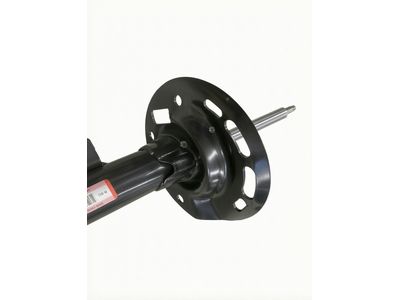
 Product Specifications
- Other Name: Shock Absorber Assy
- Position: Passenger Side
- Replaced by: 9S4Z-18124-B
- Base No.: 18124
- Item Weight: 7.70 Pounds
- Item Dimensions: 24.2 x 7.5 x 7.7 inches
- Condition: New
- Fitment Type: Direct Replacement
- SKU: 9S4Z-18124-C
- Warranty: This genuine part is guaranteed by Ford's factory warranty.
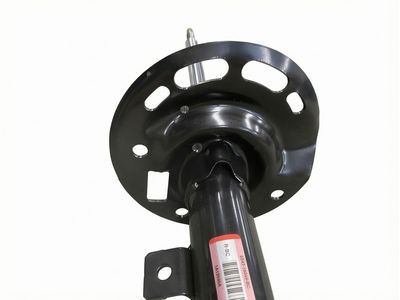

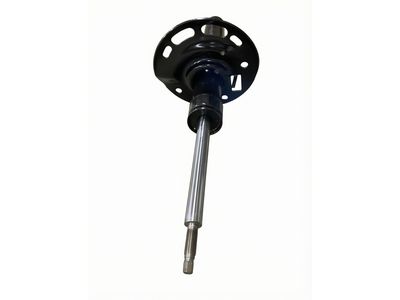
 Product Specifications
- Other Name: Shock Absorber Assy; Strut
- Position: Passenger Side
- Replaces: 8S4Z-18124-RH, AST-410, AST-342, AST-343, AST-412, 9S4Z-18124-E, 8S4Z-18124-R, 9S4Z-18124-C
- Base No.: 18124
- Item Weight: 10.90 Pounds
- Item Dimensions: 24.4 x 7.4 x 7.5 inches
- Condition: New
- Fitment Type: Direct Replacement
- SKU: 9S4Z-18124-B
- Warranty: This genuine part is guaranteed by Ford's factory warranty.
- Product Specifications
- Other Name: Shock Absorber Assy - Front
- Position: Driver Side
- Replaced by: 9S4Z-18124-F
- Base No.: 18124
- Item Weight: 10.30 Pounds
- Item Dimensions: 24.7 x 7.4 x 7.4 inches
- Condition: New
- Fitment Type: Direct Replacement
- SKU: 9S4Z-18124-A
- Warranty: This genuine part is guaranteed by Ford's factory warranty.
2010 Ford Focus Shock Absorber
At FordPartsGiant.com, you will find an extensive inventory of genuine 2010 Ford Focus Shock Absorber offered at competitive prices online. These manufacturer-backed OEM 2010 Ford Focus Shock Absorber ensure your satisfaction with their quality and come with a hassle-free return policy and expedited delivery service, guaranteeing a delightful shopping experience.
2010 Ford Focus Shock Absorber Parts Questions & Experts Answers
- Q:How should front suspension shock absorbers be serviced and reassembled if they exhibit signs of wear on 2010 Ford Focus?Posted by Correy M.A:If the front suspension struts are worn by leaking fluid or loss of damping capability or by sagging and cracked Coil Spring, the struts should be dismantled and reconditioned as required, bad struts are replaced, while springs and associated parts are replaceable. Responsive and proportional characteristics should be maintained and, therefore, the components on the one side of the vehicle should be replaced with those on the other side. Afterthen, wit the strut pulled out, clean the strut surface and clamp the strut firmly onto a vise. Place the coil spring compressor tools properly that engages the spring fully and compress the spring completely to off load all the stress from the upper part of the countermarch. Insert an Allen key through the strut piston rod and use a box-end wrench to remove the Thrust bearing retaining nut; remove the top mounting, the thrust bearing, upper spring seat, the spring, boot, and lastly the bump stop. If there is to be a new spring fitted then discharge the old one with extreme care and ensure it remains in compression if it is to be reused. All components should be inspected for signs of wear and damage where the strut assembly has been dismantled and the bearing checked to operate freely and smoothly, replacing parts where necessary. Check for signs of oil leakage on the strut and signs of wear and tear such as pitting of the piston rod and damage of the strut body. Try to operate the strut-to do this, move the piston through full and short strokes; the process should be smooth and the resistance should be continuous; if resistance is jerky or comes in uncontrollable, short impulses the strut should be replaced. Reassembly includes such steps as checking the position of the ends of the coil spring within the upper and lower seats before releasing the compressor, making sure that the bearing is properly placed on the piston rod seat and tightening the nut of the thrust bearing to the prescribed torque and installing the two Coil Spring with the painted mark facing down.Answered by Ford Parts Specialist Don / Sep 27, 2025
Related 2010 Ford Focus Parts
 2010 Ford Focus Shock And Strut Mount
 2010 Ford Focus Tie Rod
 2010 Ford Focus Tie Rod End
 2010 Ford Focus Steering Knuckle
 2010 Ford Focus Strut Bearing
 2010 Ford Focus Shock and Strut Boot
 2010 Ford Focus Wheelhouse
 2010 Ford Focus Fender