

My Garage
My Account
Cart
Genuine 2004 Ford Ranger Cylinder Head
Head- Select Vehicle by Model
- Select Vehicle by VIN
Select Vehicle by Model
orMake
Model
Year
Select Vehicle by VIN
For the most accurate results, select vehicle by your VIN (Vehicle Identification Number).
7 Cylinder Heads found
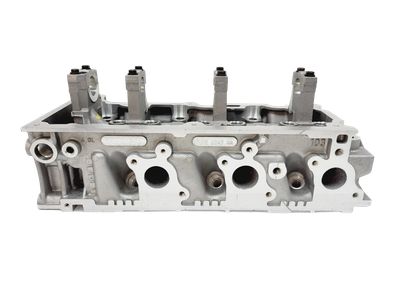
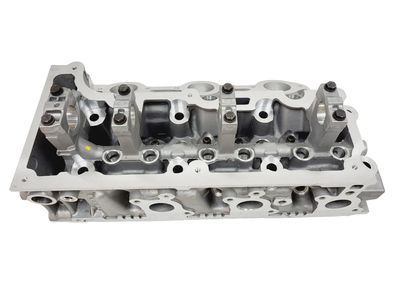
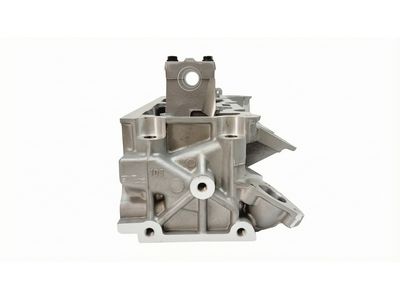
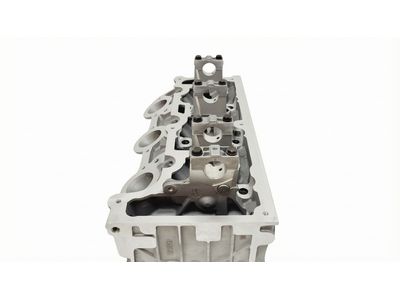
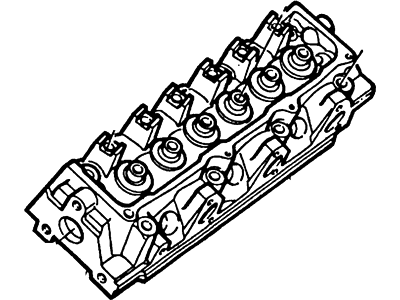
2004 Ford Ranger Cylinder Head Assembly
Part Number: 1L2Z-6049-GA$1649.52 MSRP: $2283.08You Save: $633.56 (28%)Ships in 1-3 Business DaysProduct Specifications- Position: Passenger Side
- Replaced by: 7U7Z-6049-A
- Item Weight: 27.40 Pounds
- Item Dimensions: 9.9 x 6.8 x 11.6 inches
- Condition: New
- Fitment Type: Direct Replacement
- SKU: 1L2Z-6049-GA
- Warranty: This genuine part is guaranteed by Ford's factory warranty.


2004 Ford Ranger Cylinder Head
Part Number: 3S7Z-6049-BB$523.86 MSRP: $718.46You Save: $194.60 (28%)Ships in 1-3 Business DaysProduct Specifications- Other Name: Cylinder Head Assembly; Cylinder Head
- Replaces: 8U7Z-6049-A
- Base No.: 6049
- Item Weight: 37.70 Pounds
- Item Dimensions: 26.3 x 15.6 x 13.7 inches
- Condition: New
- Fitment Type: Direct Replacement
- SKU: 3S7Z-6049-BB
- Warranty: This genuine part is guaranteed by Ford's factory warranty.
2004 Ford Ranger Cylinder Head
Part Number: 7U7Z-6049-AARH$812.56 MSRP: $1128.78You Save: $316.22 (29%)Ships in 1-2 Business DaysProduct Specifications- Other Name: Cylinder Head Assembly; Cylinder Head
- Position: Passenger Side
- Replaces: 1L2Z-6049-JA, 5L2Z-6049-AA, 7R3Z-6049-A, 5R3Z-6049-AB, 6L2Z-6049-A, XL2Z-6049-CA, YL2Z-6049-CA
- Base No.: 6049
- Item Weight: 30.30 Pounds
- Item Dimensions: 20.6 x 13.7 x 12.1 inches
- Condition: New
- Fitment Type: Direct Replacement
- SKU: 7U7Z-6049-AARH
- Warranty: This genuine part is guaranteed by Ford's factory warranty.
2004 Ford Ranger Cylinder Head Assembly
Part Number: 1S7Z-6049-BA$550.49 MSRP: $752.31You Save: $201.82 (27%)Ships in 1-3 Business DaysProduct Specifications- Replaced by: 6S4Z-6049-B
- Item Weight: 35.80 Pounds
- Item Dimensions: 6.7 x 7.5 x 19.2 inches
- Condition: New
- Fitment Type: Direct Replacement
- SKU: 1S7Z-6049-BA
- Warranty: This genuine part is guaranteed by Ford's factory warranty.
- Product Specifications
- Other Name: Cylinder Head Assy; Cylinder Head
- Position: Driver Side
- Replaces: 1L2Z-6049-FA, 6L5Z-6049-A, 5R3Z-6049-AA, 5H2Z-6049-A, YL2Z-6049-AA, XL2Z-6049-DA
- Base No.: 6049
- Item Weight: 32.90 Pounds
- Item Dimensions: 6.5 x 7.7 x 19.6 inches
- Condition: New
- Fitment Type: Direct Replacement
- SKU: 7U7Z-6049-AALH
- Warranty: This genuine part is guaranteed by Ford's factory warranty.
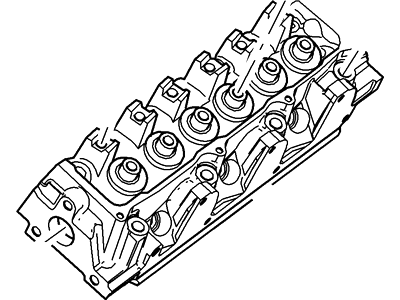 Product Specifications
- Other Name: Cylinder Head Assy; Cylinder Head
- Replaces: YF1Z-6049-DB, YF1Z-6049-EA, YF1Z-6049-DA
- Base No.: 6049
- Item Weight: 32.50 Pounds
- Item Dimensions: 6.6 x 7.7 x 19.6 inches
- Condition: New
- Fitment Type: Direct Replacement
- Require Quantity: 2
- SKU: 6U7Z-6049-A
- Warranty: This genuine part is guaranteed by Ford's factory warranty.
- Product Specifications
- Other Name: Cylinder Head Assy
- Position: Driver Side
- Replaced by: 7U7Z-6049-B
- Item Weight: 29.30 Pounds
- Item Dimensions: 9.8 x 6.8 x 11.6 inches
- Condition: New
- Fitment Type: Direct Replacement
- SKU: 1L2Z-6049-HA
- Warranty: This genuine part is guaranteed by Ford's factory warranty.
2004 Ford Ranger Cylinder Head
At FordPartsGiant.com, you will find an extensive inventory of genuine 2004 Ford Ranger Cylinder Head offered at competitive prices online. These manufacturer-backed OEM 2004 Ford Ranger Cylinder Head ensure your satisfaction with their quality and come with a hassle-free return policy and expedited delivery service, guaranteeing a delightful shopping experience.
2004 Ford Ranger Cylinder Head Parts Questions & Experts Answers
- Q:What are the steps involved in disassembling, cleaning, and inspecting cylinder heads on 2004 Ford Ranger?Posted by Charlesbrown E.A:New and even reconditioned cylinder heads for most of the engines can be purchased easily at dealerships or auto parts store, thus buying replacement heads is easier and cheaper than dismantling and evaluating heads for re-use. This action, also performed by some level B suppliers, involves the dismantling of the intake and exhaust valves, along with other associated parts, with careful attention paid to the identification of some parts or the segregation of others that are common in the interest of reassembly. Each valve should be labeled and appropriately stored to avoid not mixing it up and a spring compressor is used in removing the keepers and the springs gently. In the case that a valve binds one has to deburr. The head should also be cleaned out and examined after taking out and sorting the valves and if a full engine rebuild is in progress. Cleaning process includes removal of remained gasket material with scraper, elimination of scale deposits on coolant passages together with wire brush and passage tap. The rocker arms, fulcrums, and valve springs should also be washed down and then dried out and cleaned. The general inspection for the cylinder head call for looking for cracks and warpage, examination of the valve seats, and physical measurement of the valve stem to guide clearance. Every valve is to be checked for wear and deformation; and the margin width must conform to contractual requirements. Cam shaft should be checked for worn out and length of the valve spring while for cam followers and rocker arm other accessories should be cleaned and checked for signs of wear and damage. Any parts that appear overly smooth or worn should be replaced and if the components of the valve are in poor condition, it will be necessary to rebuild the valves in the cylinder head as mentioned in the recommendations for servicing of the valves above.Answered by Ford Parts Specialist Joseph / Jul 06, 2024
Related 2004 Ford Ranger Parts
 2004 Ford Ranger Cylinder Head Bolts
 2004 Ford Ranger Intake Valve
 2004 Ford Ranger Timing Cover
 2004 Ford Ranger Rocker Arm
 2004 Ford Ranger Camshaft
 2004 Ford Ranger Cylinder Head Gasket
 2004 Ford Ranger Exhaust Valve
 2004 Ford Ranger Cylinder Head Temperature Sensor
 2004 Ford Ranger Crankshaft Seal